
Last updated November 25, 2026
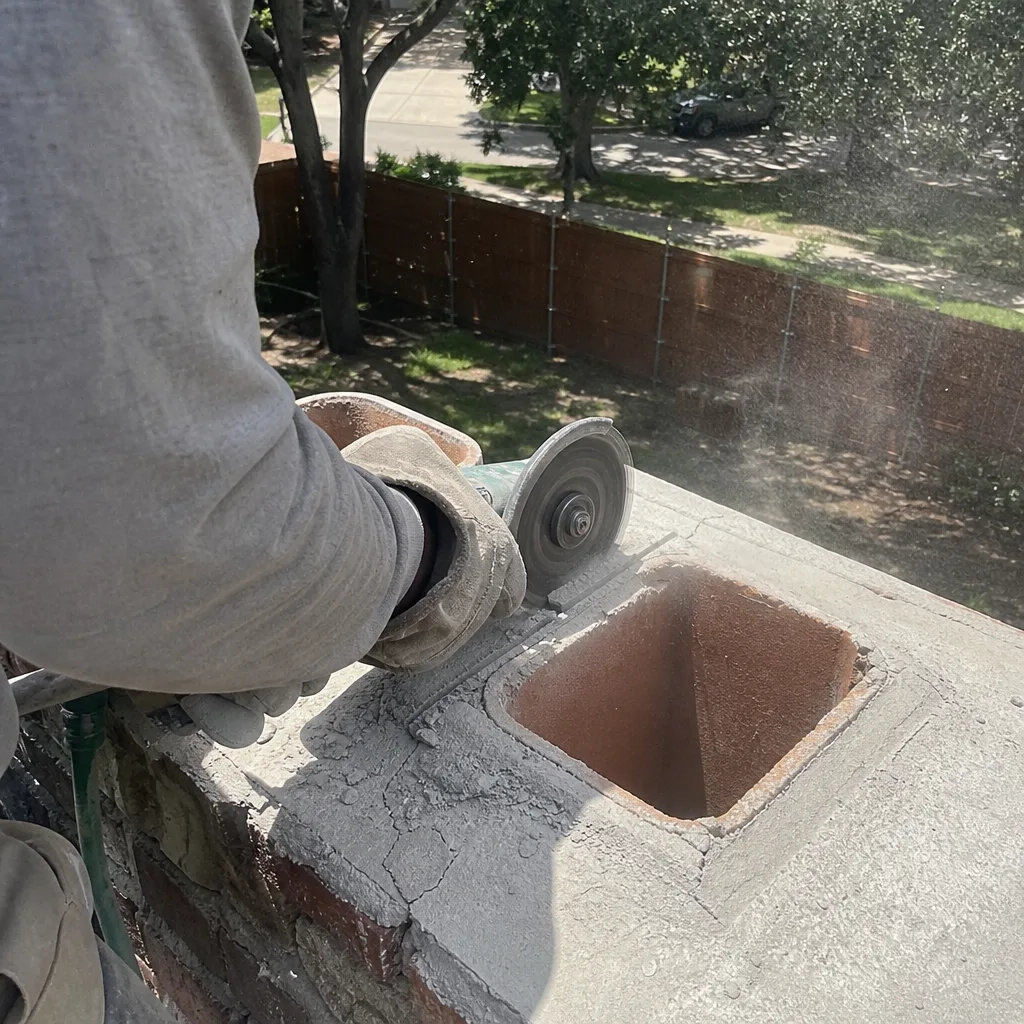
 Sweep & inspection
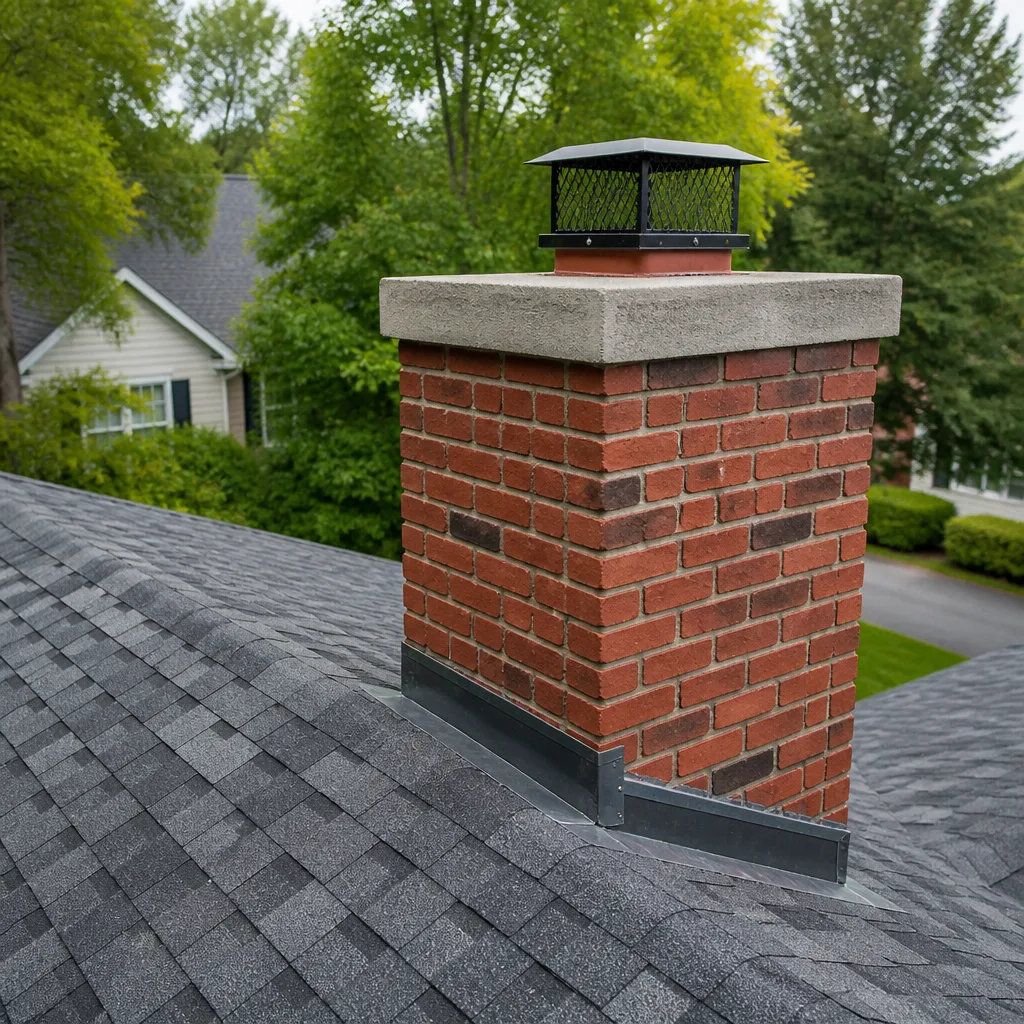
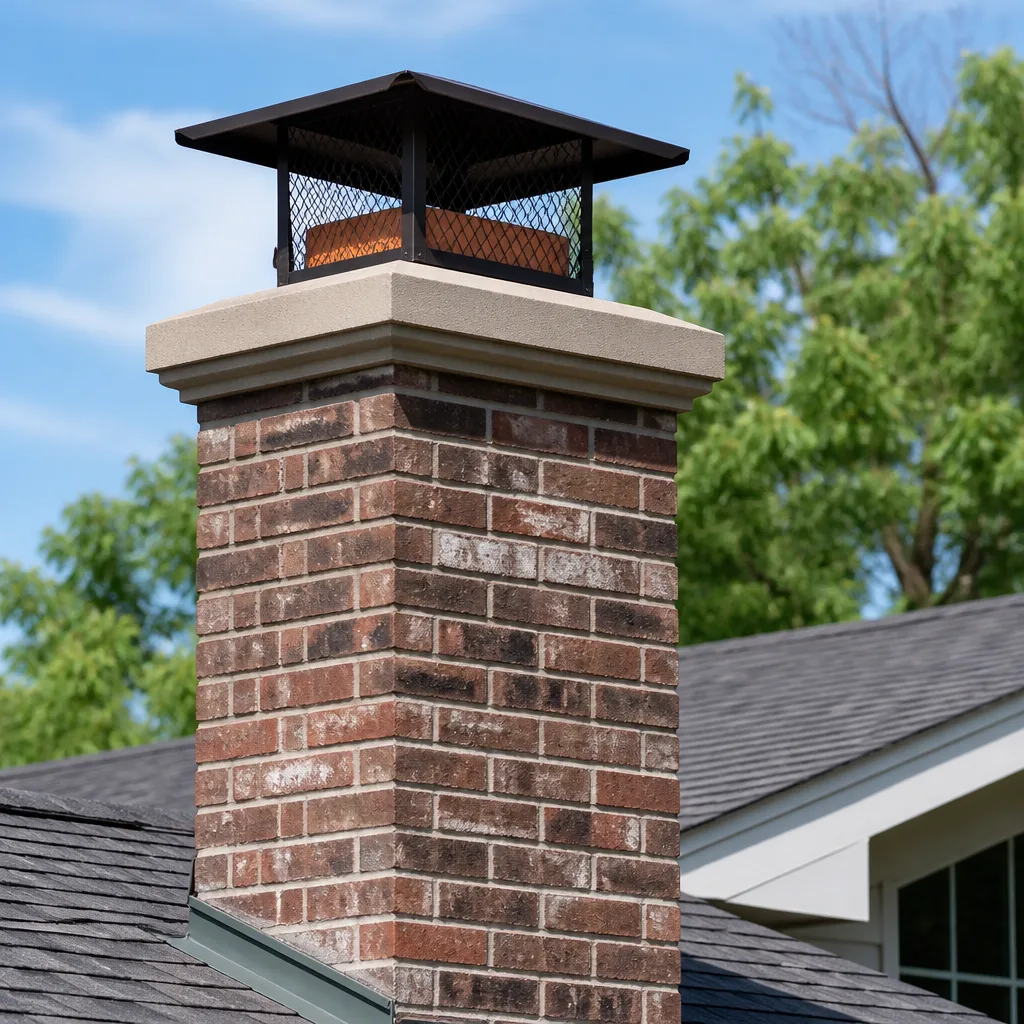 Caps & crowns
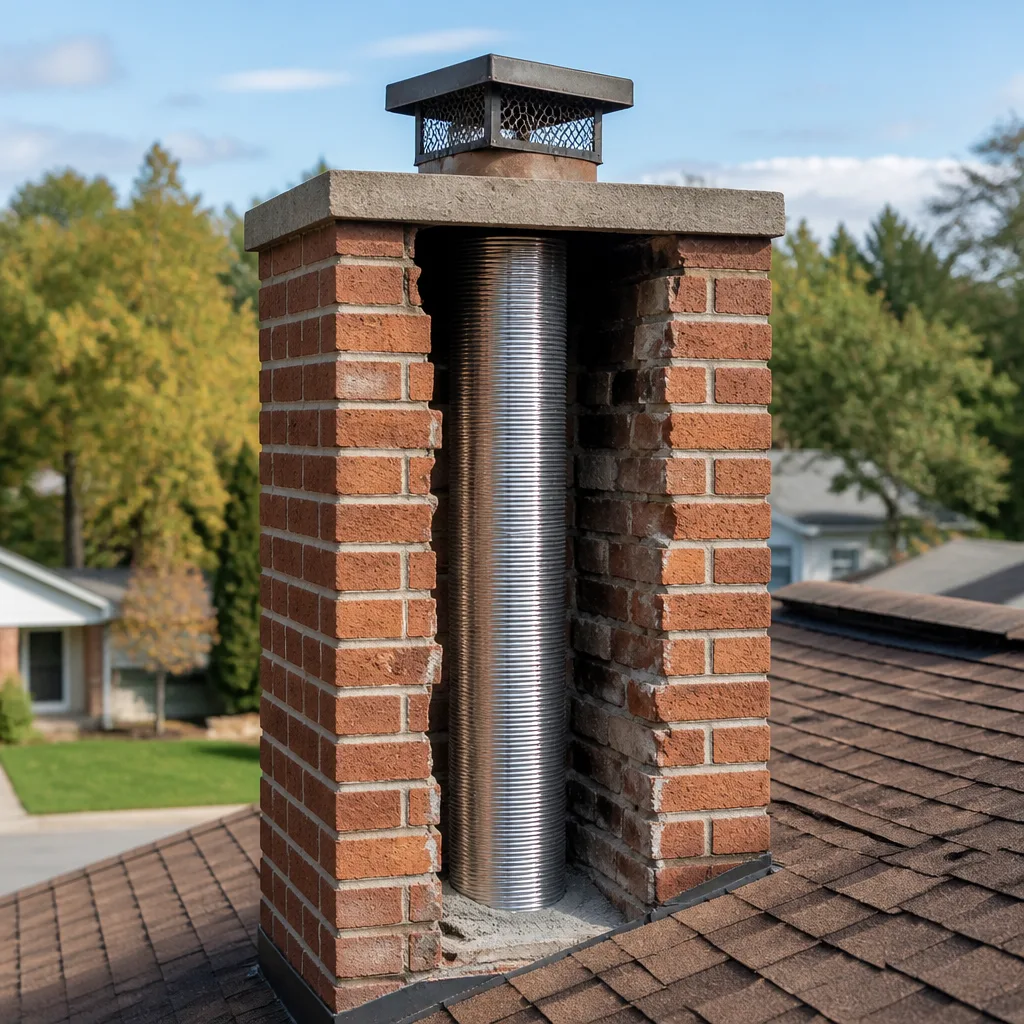 Flue relining
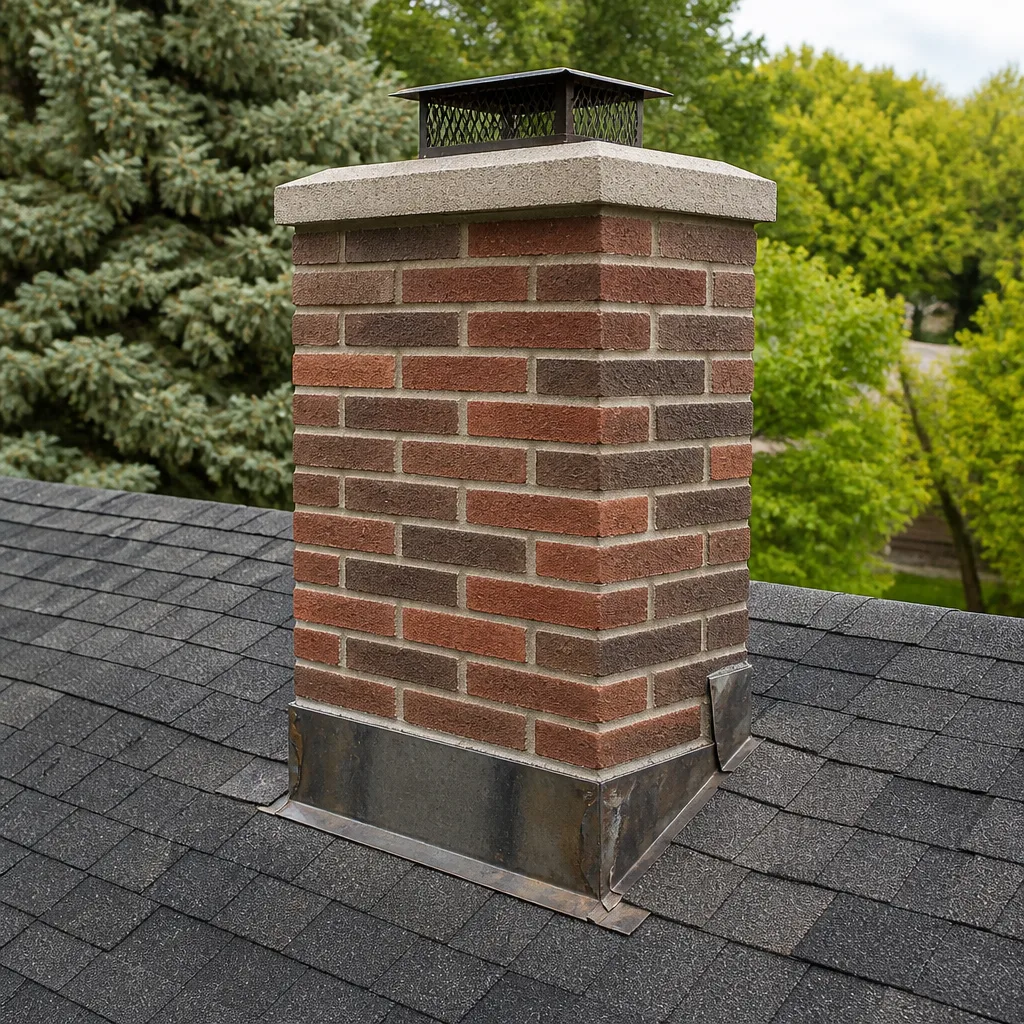 Masonry repair
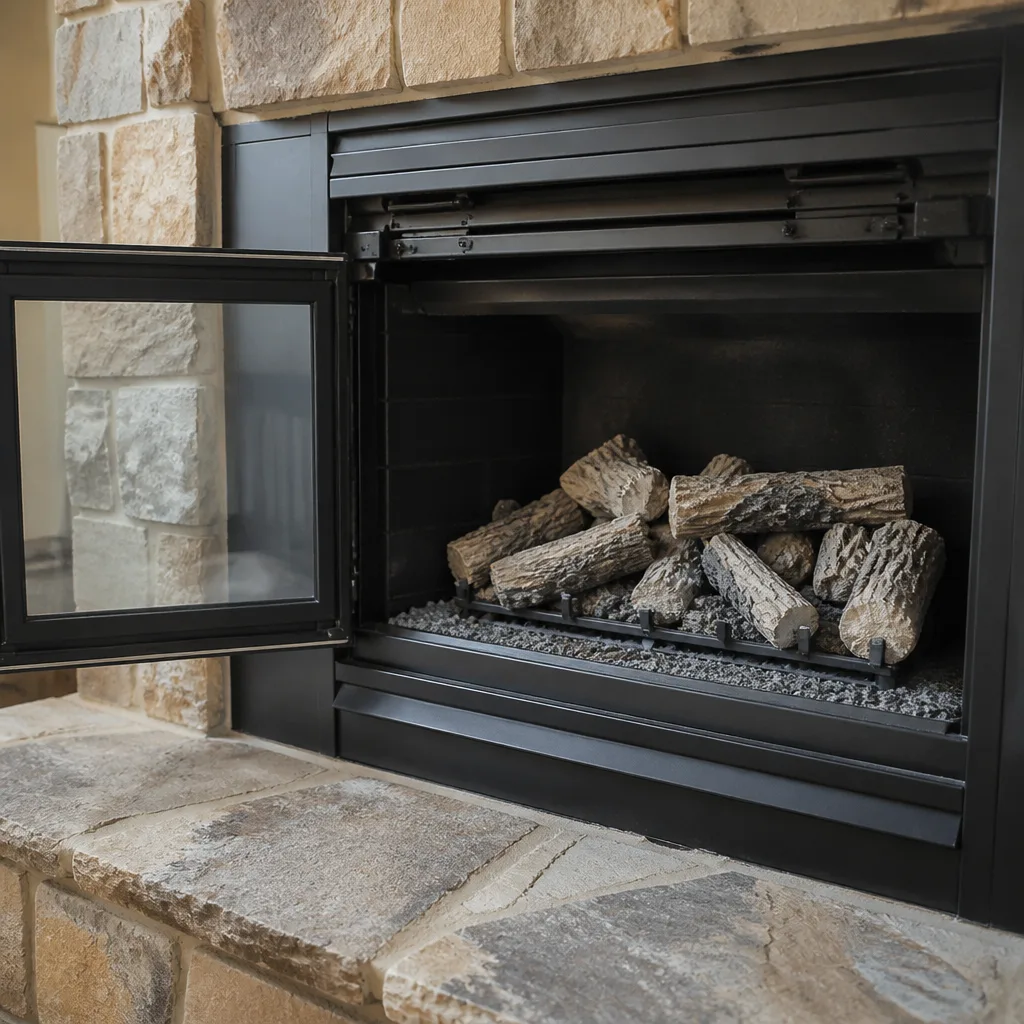 Gas fireplace service
Level 1 sweep and inspection to the NFPA 211 annual standard - flue, crown, cap, and flashing checked and photographed
Chimney sweep logs do not sweep chimneys. They loosen some creosote - which then falls where a brush and vacuum still have to collect it.
DIY vs Professional Chimney Cleaning: The Far North Dallas Homeowner’s Decision Guide
A homeowner can buy a brush kit, work it up the flue, watch a pile of black soot come down, and feel like the job is done. That same homeowner can still have Stage 2 creosote glazed onto the smoke chamber walls, a hairline crack in a clay flue tile, and a cap that’s pulled loose at one corner. None of those things show up in a bucket of soot, and none of them can be found with the tools sold at a hardware store. This guide draws the line honestly: what a DIY sweep actually accomplishes, where it’s reasonable to do yourself, where it gets risky, and how the math works out when you count everything a professional visit includes. If you burn wood in Far North Dallas, this is the decision worth getting right.
Quick Answer
A DIY chimney brush kit can remove light, recently deposited soot from the accessible part of the flue, but it cannot inspect the smoke chamber, smoke shelf, upper liner sections, or cap assembly, and it cannot detect cracks, gaps, or advanced creosote glazing. A professional visit combines cleaning with a proper inspection and a written report, which is why most Far North Dallas homeowners hire it out once a year and reserve DIY for light touch-ups on low-use gas fireplaces. The cleaning is the easy part. The diagnosis is what you’re actually paying for.
Styles & brands we work with
- Sweep & inspection
- Caps & crowns
- Flue relining
- Masonry repair
- Gas fireplace service
Table of Contents
- What a DIY Chimney Brush Kit Actually Accomplishes
- The Parts of Your Chimney a Brush Can’t Reach
- When DIY Is Reasonable and When It Isn’t
- Equipment Reality Check: What a Professional Inspection Involves
- Liability and Insurance: What Happens After a Self-Performed Inspection
- The Honest Cost Comparison: DIY vs Professional in Far North Dallas
- How a Professional Sweep and Inspection Visit Actually Runs
- What You Can Safely Do Yourself Between Professional Visits
What a DIY Chimney Brush Kit Actually Accomplishes
A chimney brush on a rod or rope is a scraping tool. It loosens soot and soft creosote from the flat walls of the flue that it can physically touch, and gravity does the rest. On a straight, accessible, lightly used flue, that’s a real cleaning of a real surface. What it isn’t is a full system service, and the difference matters more than most people realize.
Here’s what a brush pass gets you:
- Removal of light soot from the lower flue section and the firebox throat.
- Knocking down soft, flaky creosote that hasn’t yet cured onto the liner walls.
- A visual check of the firebox from the room side, which is useful but limited to what a flashlight and a mirror can see.
- The satisfaction of a cleaner-looking firebox, which is genuine but easy to mistake for a full cleaning.
What it doesn’t get you is the harder half. Professional sweeps in Far North Dallas use rotary cleaning systems with poly or wire heads sized to the flue, and those systems spin against the liner walls to break down glazed deposits a hand brush slides right past. The tools are one part of it. The trained eye reading what comes down, and what’s still stuck up there, is the other.
Our technicians have up to 15 years of experience, and most of that time is spent looking at what a brush left behind. A cleaned flue and a properly inspected system are two different things, and only one of them tells you whether it’s safe to light a fire this winter.
The Parts of Your Chimney a Brush Can’t Reach
The flue is the straight part. The chimney is everything the flue connects to, and a surprising amount of it sits above or beside the brush path. When we open up a fireplace in Far North Dallas and look above the damper, the story is usually in the smoke chamber, not the flue.
The smoke chamber and smoke shelf
Above the damper, the firebox narrows into a corbeled chamber that funnels smoke up into the flue. That chamber has angled, stepped surfaces that trap creosote and are nearly impossible to clean with a straight brush from below. The smoke shelf at the base of the chamber collects debris, and over time it collects creosote too. Stage 2 creosote, the glazed, hardened kind, loves this area.
The upper liner sections behind the smoke dome
Where the smoke chamber transitions into the flue, the liner often steps or offsets. Those upper sections are behind the smoke dome, visible only with a camera or from the roof. A cracked or spalled clay tile up there can leak heat and gases into the chimney structure, and no brush pass will tell you it’s happening.
The crown and cap assembly
The crown is the concrete or masonry top of the chimney, and the cap covers the flue opening. Both fail from the top down, not the bottom up. A crack in the crown lets water in. A loose cap lets animals and rain in. You can’t see either from inside the firebox, and a homeowner with a flashlight on a ladder is not the same as someone trained to read the whole assembly. This is one reason we treat chimney cap & crown work as a separate service rather than an afterthought to a sweep.
What only a camera shows
A flue scope lets us look at the interior of the liner wall to wall, top to bottom, and record what we see. Cracks, gaps at the tile joints, missing mortar, and gaps behind the smoke chamber all show up on video. A homeowner with a vacuum and a brush has none of that information, which means they have no way of knowing whether their chimney is actually safe to burn in. That uncertainty is the real cost of DIY.
When DIY Is Reasonable and When It Isn’t
We’re not going to tell you a brush kit is useless. It has a place. The trick is knowing which scenario you’re in before you climb a ladder.
Reasonable DIY scenarios
- Gas fireplaces with low usage. A vented gas log set with a ceramic flue produces very little soot. A light brush-down of the firebox is about all that’s needed, and even then the annual inspection is still worth booking.
- Confirming the deposit level before a scheduled professional visit. If you want to know whether you’re due, a quick look up the flue with a flashlight tells you whether there’s heavy buildup. That’s information, not cleaning.
- Cleaning ash and debris from the firebox floor. This is housekeeping, not chimney work, and it’s entirely reasonable to do yourself.
- Removing creosote flakes that have already fallen onto the firebox floor after a professional sweep has broken them loose.
Actively risky DIY scenarios
- Any chimney with heavy, glazed creosote. Stage 2 and Stage 3 creosote need rotary cleaning, and a hand brush will polish it rather than remove it. Worse, brushing can dislodge a chunk that jams, and re-ignition risk is the last thing you want to create.
- Brick chimneys with clay tile liners that have never been scoped. Without a camera you have no idea if the tiles are intact, and a brush can catch on a spalled tile and crack it further.
- Any chimney with a history of drafting problems, smoke roll-out, or odors. Those symptoms point to a structural or sizing issue a brush won’t fix.
- Rooftop cap and crown work. Climbing onto a roof to inspect or clear a cap is height work. The risk of a fall is higher than the risk of the chimney, and this is a job for a trained technician with the right equipment.
- Gas appliance flues. Gas flues and their liners require specific sizing and venting knowledge. Disturbing a gas flue without training can create a carbon monoxide risk. If you smell gas or suspect a leak, stop immediately, get everyone out, and call your gas utility from outside.
If you’re unsure which scenario you’re in, that’s your answer. Call (866) 937-8051 and we’ll walk through it. We answer 24/7.
Equipment Reality Check: What a Professional Inspection Involves
Most people picture a sweep with a brush and a vacuum. The reality of a professional visit is closer to a diagnostic appointment than a cleaning appointment, and the equipment is the reason.
The rotary cleaning system
Rotary systems use a motorized whip with interchangeable heads sized to the flue. Poly heads for clay tile liners, wire heads for stubborn deposits, and chain heads for tougher work. The head spins at speed against the wall rather than dragging across it, which is why it can break down creosote a hand brush can’t touch. These systems have to be matched to the flue, and misusing them can damage the liner. There’s no hardware-store version of this, and there’s no rental outfit that sets one up for you.
Camera scopes
A flue camera on a flexible rod goes up the flue, records the interior wall to wall, and lets us see what a brush can’t. The footage is saved and can be shown to the homeowner. This is the single most important piece of equipment in the truck, because it’s what separates “the flue is clean” from “the flue is clean and sound.”
Draft and pressure measurement
Draft gauges and manometers measure whether the chimney is pulling correctly. A flue that cleans up well can still draft poorly because it’s undersized, too short, or blocked by a failing cap. Those are the chimneys that smoke into the living room, and no amount of brushing fixes them.
Moisture meters and combustion analysis
Moisture meters check the masonry for water intrusion through the crown or flashing, which is the leading cause of masonry failure over time. On gas appliances, combustion analyzers check that the appliance is burning cleanly and venting properly. Those readings are the ones that catch carbon monoxide risk before it becomes a problem.
We work with professional-grade materials rather than hardware-store substitutes, which is why our repair recommendations are sourced from makers who supply certified specialists. Our toolkit includes DuraFlex liner systems, HeatShield ceramic resurfacing, and Gelco and Famco cap components. The equipment list and the parts list work together. You can’t diagnose what you can’t see, and you can’t repair what you diagnose with improvised materials.
Liability and Insurance: What Happens After a Self-Performed Inspection
This is the part most DIY guides skip, and it’s the part that matters most if something goes wrong. A homeowner’s fire insurance policy is a contract with conditions. One of the standard conditions is that the homeowner maintains the property in a safe condition and follows the appliance manufacturer’s maintenance requirements. A self-performed “inspection” doesn’t satisfy that condition in the way most people assume it does.
Here’s how it usually plays out:
- The chimney fire happens. The homeowner has brushed the flue, believed it was clean, and lit the fireplace. A hidden creosote pocket in the smoke chamber ignites.
- The claim gets filed. The insurer sends an adjuster and, in most chimney fire cases, a cause-and-origin investigator.
- The maintenance question gets asked. When was the chimney last professionally inspected? Is there documentation? If the answer is “the homeowner did it themselves with a brush kit,” the claim can be reduced, delayed, or denied depending on the policy language and the facts.
We’re not telling you this to scare you, and we’re not your insurance agent. But it’s a real gap, and the fix is cheap. A professional sweep comes with documentation: the date of the service, the condition of the flue before and after, the inspection findings, and the written recommendations. That paper trail is the thing you want in your file if the worst happens. It’s also the thing an insurer will ask for and a DIY homeowner won’t have.
On the flip side, if you’ve had a recent professional inspection and a chimney fire still happens, that documentation is exactly what supports the claim. It’s the difference between “we did nothing” and “we did what the trade recommends.” The latter reads a lot better to an adjuster. If you need a standalone inspection, our chimney sweep service includes one, and we treat the inspection as a real service rather than an add-on attached to a sweep.
The Honest Cost Comparison: DIY vs Professional in Far North Dallas
Let’s be honest about the money. A DIY kit costs less out of pocket than a professional visit. That’s true and shouldn’t be fudged. But the comparison only works if you count everything in both columns, including what the DIY column can’t give you.
Here’s the side-by-side, structured the way we’d actually talk it through:
What the DIY column includes
- Kit cost: a brush, rods or rope, and a shop vacuum will run you somewhere in the range of $80 to $180 at a hardware store. Add a ladder if you don’t already own one.
- Time: a couple of hours on a straight flue, more if it’s dirty or the roof access is tight. That’s a Saturday morning, most likely.
- Risk exposure: no documentation, no camera inspection, no ability to detect cracks or glazed creosote, and full responsibility if something goes wrong. If a fire happens, the insurance conversation gets harder.
- What it doesn’t include: a written report, an inspection, a camera scope, a draft measurement, a cap check, or a recommendation on repairs you might need. Every one of those is a separate cost if you decide you want it.
What the professional column includes
- Sweep and inspection: a single visit that cleans and evaluates the whole system, not just the lower flue.
- Camera footage and a written report: the evidence behind any recommendation you get, so you can see what we saw.
- Repair recommendations with estimates: a written estimate that sets the final price, and honest guidance about what can safely wait.
- Documentation for your file: the paper trail that supports you if the worst happens.
Pricing varies by flue configuration, access, and region. Rather than guess at numbers, we’ll give you a written estimate. Call (866) 937-8051 for an exact quote. Estimates are free.
When the math flips
The DIY kit looks cheaper until the first time it misses something. A cracked flue tile that goes undetected can leak heat into the chimney structure, and repairing that after the fact costs far more than the sweep would have. Early inspections catch small problems while they’re still cheap to fix. Missed problems don’t stay small. In our experience, most of the costly repairs we see in Far North Dallas were visible on a camera scope years before the homeowner noticed a symptom.
How a Professional Sweep and Inspection Visit Actually Runs
If you’ve never hired a sweep, the process is simpler than it sounds. Here’s what a typical visit involves, in order.
- Walkthrough and placement. We lay drop cloths, protect the hearth, and set up negative-air equipment so dust stays in the chimney, not in your living room.
- Firebox and damper check. We look at the firebox, damper, and the accessible part of the throat before any cleaning begins.
- Rotary cleaning. The flue gets cleaned from the bottom up, or from the roof down depending on the configuration, with a head sized to the liner.
- Camera scope. The flue is scoped end to end. We look at tile joints, mortar, and the smoke chamber walls. We record the footage.
- Draft and pressure check. We measure how the chimney is pulling and confirm the appliance is venting correctly.
- Cap and crown inspection. Up top, we check the cap, crown, and flashing for cracks, looseness, or animal entry points. This is where Gelco or Famco replacement components come in when a cap has failed.
- Debris removal and cleanup. The ash and soot come out. The work area goes back to clean.
- Written report and recommendations. We walk through what we found, show the camera footage, and hand over a written report. Repairs that are needed get a written estimate. Repairs that can wait get flagged as things to watch.
If the camera shows a deteriorated liner that doesn’t need to be torn out, HeatShield ceramic resurfacing can restore it in place. If the liner is too far gone, DuraFlex liner systems cover gas, oil, and wood-burning appliances, which means the same visit that finds the problem can also plan the fix. Just as important, if the camera shows a liner that’s fine, you’ll hear that too. Nothing gets recommended without evidence you can see with your own eyes.
For a fireplace or firebox issue that needs more than cleaning, we handle the fireplace repair side of it too. One company covers sweeping, inspection, cap and crown, liner repair, and structural fireplace work. You won’t need a second contractor mid-project.
What You Can Safely Do Yourself Between Professional Visits
There’s plenty a homeowner can do on their own that helps and doesn’t create risk. Here’s what we recommend between annual visits.
- Keep the firebox clean. Scoop ash and debris out after the fire is fully cold. This is housekeeping, and it’s fine to do yourself.
- Burn dry, seasoned wood. Wood with high moisture content produces more creosote. Seasoned wood splits cleanly and doesn’t hiss when it burns.
- Don’t bank the fire overnight. Smoldering fires at low oxygen produce far more creosote than hot, active fires. A slow smolder overnight is one of the top causes of glazed buildup.
- Check the cap from the ground. Binoculars from the yard will tell you whether the cap is visibly loose or missing. Don’t climb the roof to check it.
- Watch for symptoms. Smoke rolling into the room, a draft that’s weaker than usual, a smell of creosote from the firebox when the fireplace isn’t in use, or soot on the glass of a gas insert. Each of those is a reason to book an inspection.
- Book the inspection. Put it on a schedule. In Far North Dallas, most homeowners burn from late fall through early spring, and the right time to book a sweep is before the burning season starts, when scheduling is open and the chimney is quiet.
One safety caveat: if you’ve never had the flue scoped and the chimney is over a year without a professional look, don’t burn in it until you have. The risk of carbon monoxide or a chimney fire from an undetected problem is real and serious, and it’s not worth the tradeoff against one appointment.
Common Mistakes to Avoid
- Treating a bucket of soot as proof of a full cleaning. Soot in the firebox only proves the lower flue was brushed. It says nothing about the smoke chamber or upper tile joints.
- Renting a brush and calling it a cleaning. Rental kits are the same consumer-grade tools as store-bought, sized wrong for half the flues out there, and they don’t come with an inspection.
- Climbing the roof to check the cap. Cap and crown issues are real, but the fall risk on a wet or steep roof is higher than the risk from the chimney itself. Inspect from the ground with binoculars and let a trained technician handle the roof.
- Skipping the camera scope to save time. The scope is the diagnostic. Without it, you’re guessing about cracks, gaps, and glazed creosote in the very places you can’t see.
- Burning softwoods in a low-draft fireplace. Wet or resinous wood combined with a smoldering fire produces glazed creosote faster than anything else. In our experience, most of the worst buildup we see in Far North Dallas starts with bad burning habits rather than bad chimneys.
- Ignoring a gas smell or a CO detector alert. If you smell gas or a carbon monoxide detector goes off, get out and call your utility. That’s not a DIY problem, and it’s not a scheduling problem either.
- Letting a “maybe” turn into a “should have.” A chimney that’s been ignored for a few seasons may still be fine, but a camera scope is how you find out. Waiting is a choice, and it’s only a safe one when you know what you’re waiting on.
See the difference
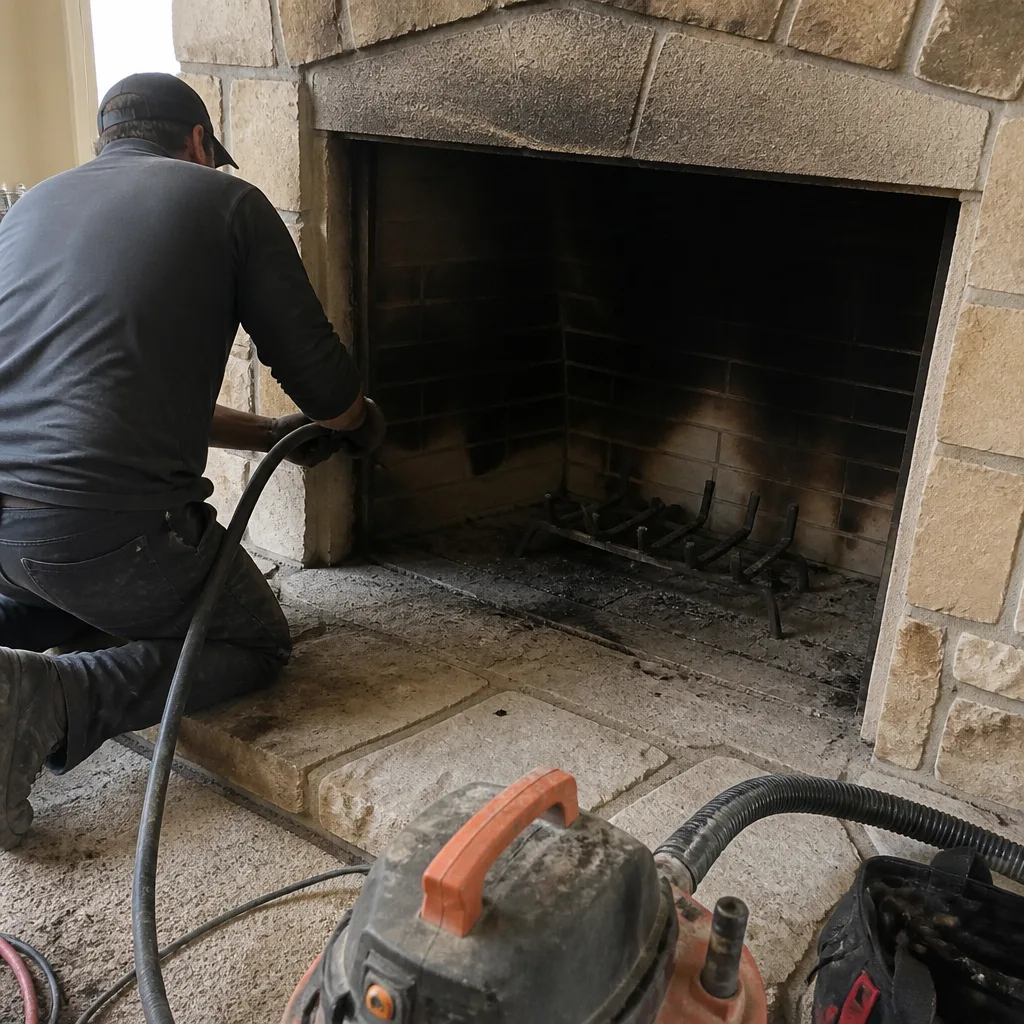 Before
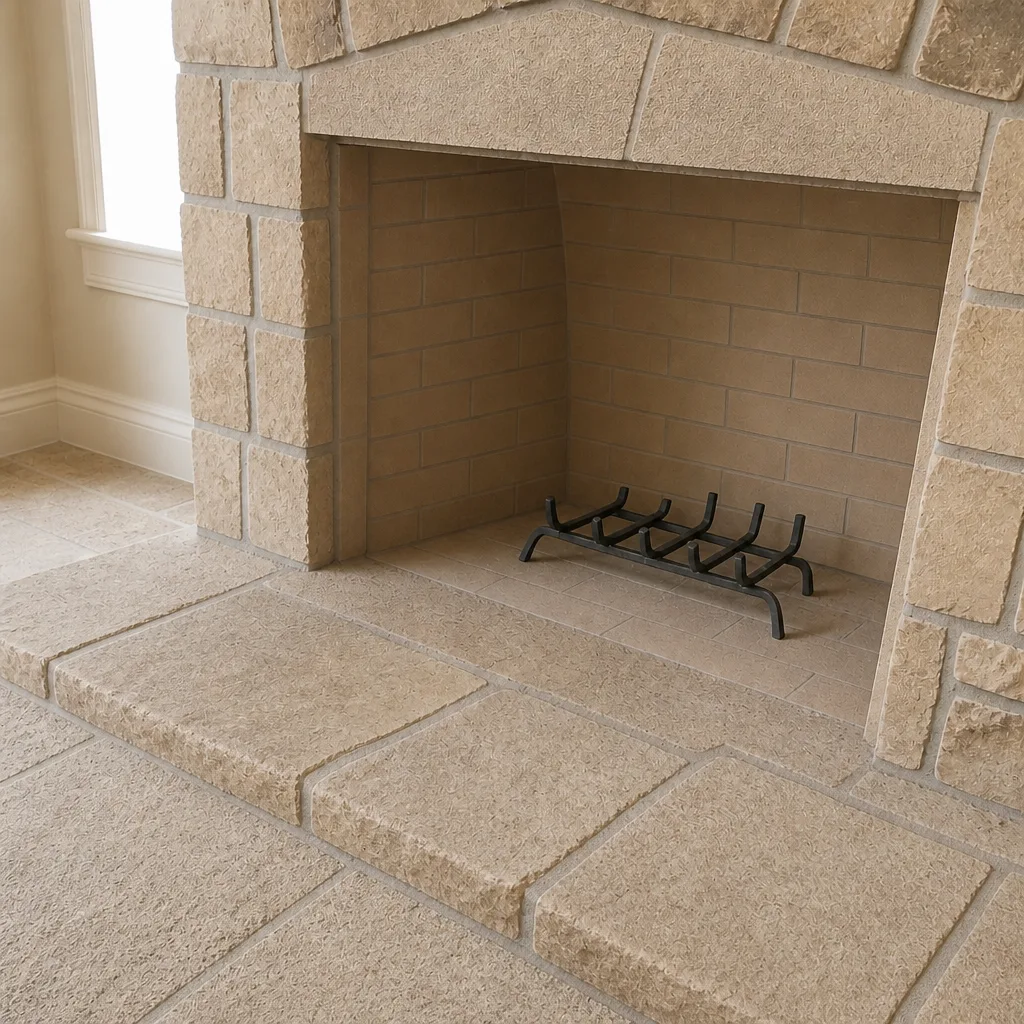 After
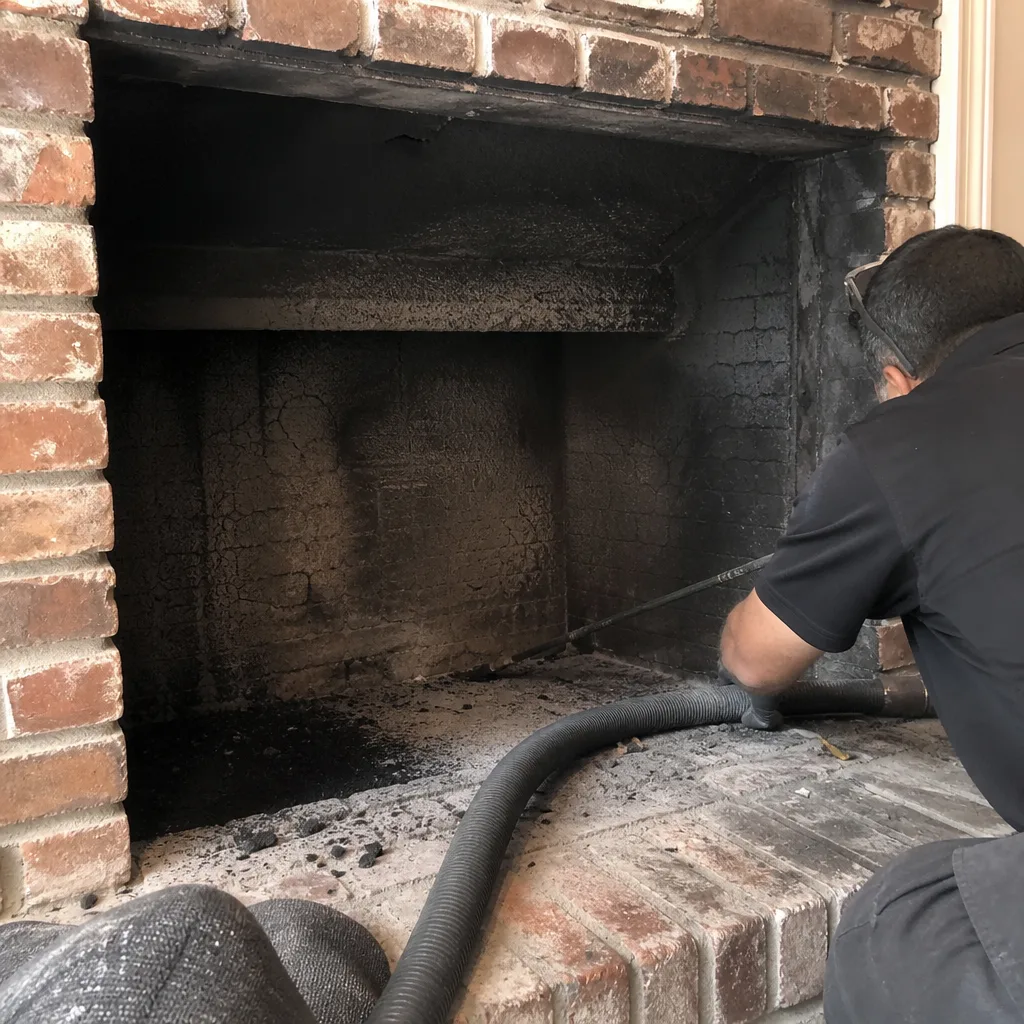 Before
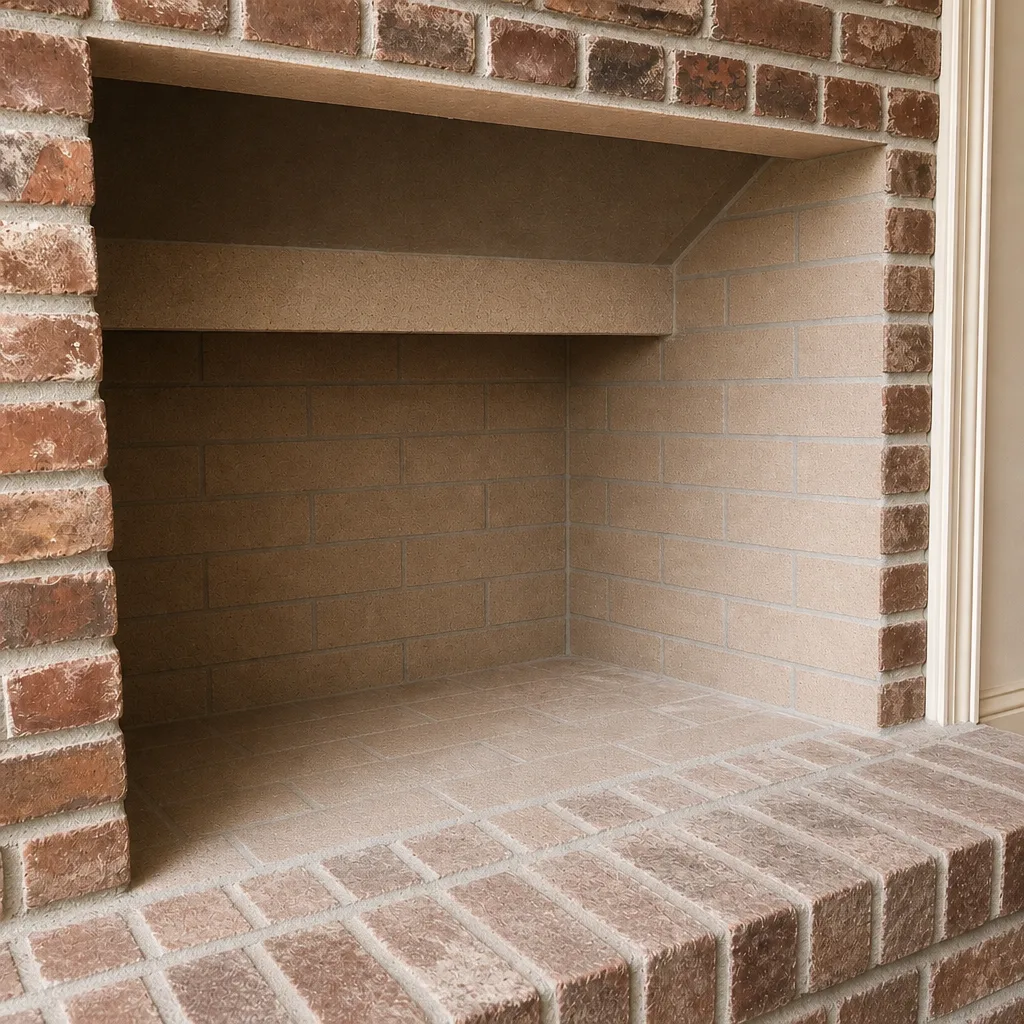 After
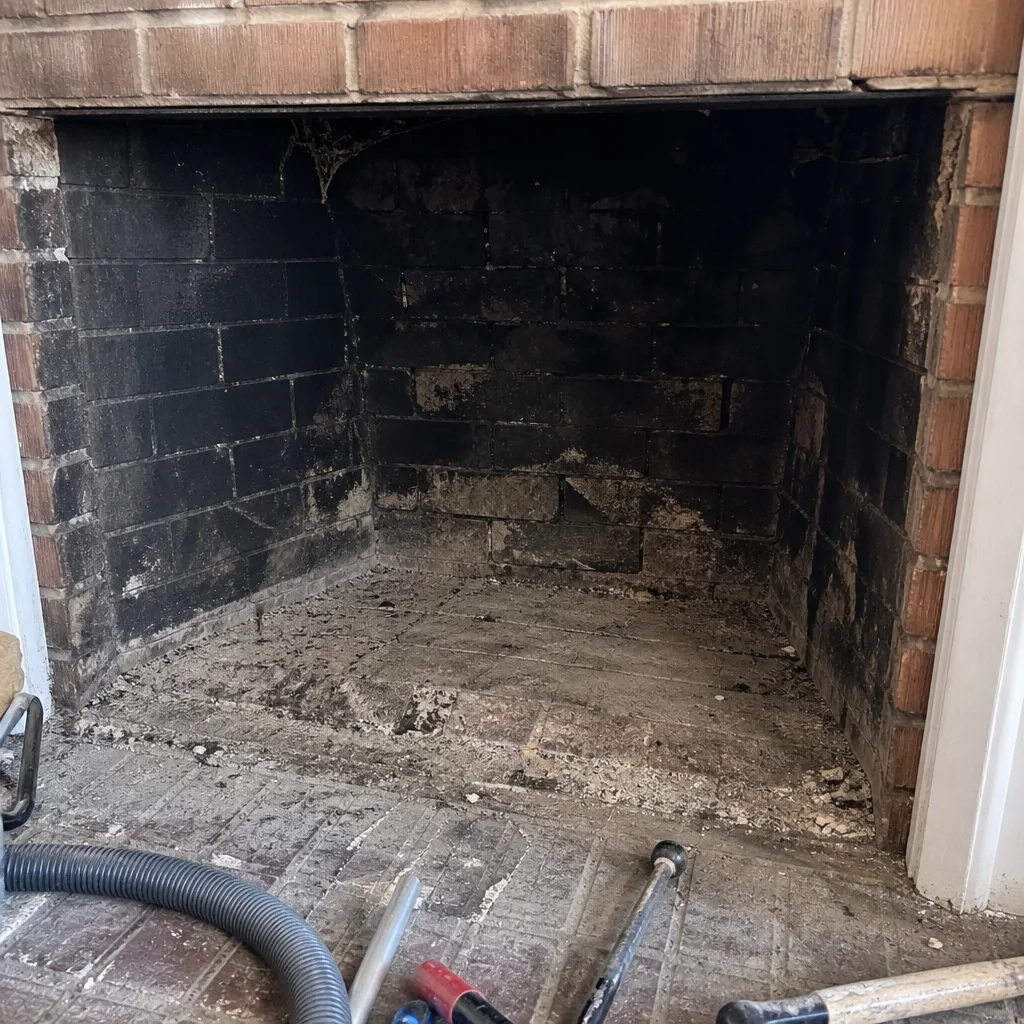 Before
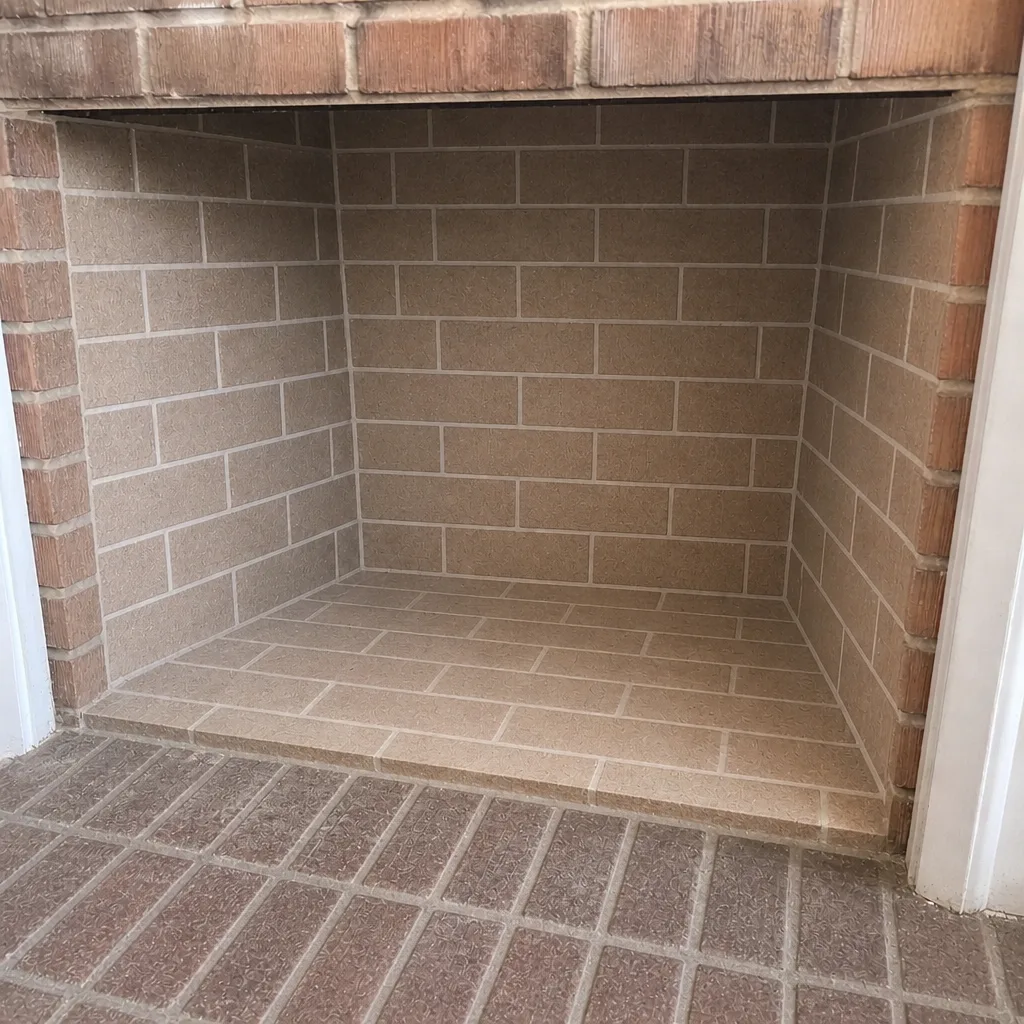 After
When to Call a Professional
Call a professional if any of these apply: your chimney hasn’t been inspected in over a year; you’ve just bought the house and don’t have records of the last sweep; you burn wood regularly and haven’t had the flue scoped; you use a gas or oil appliance and the venting has never been checked; you’ve noticed a draft problem, odors, smoke roll-out, or visible damage at the crown or cap; or you’re not sure whether the flue is safe. Each of those is a real reason to book, not a sales pitch. If you’re in Far North Dallas or the surrounding neighborhoods, Chimney Sweep Far North Dallas offers free estimates in Far North Dallas. Call (866) 937-8051. We answer 24/7, with fast dispatch from 7am to 7pm, Sunday through Friday.
Book through our main Chimney Sweep Far North Dallas service and we’ll set up the visit. If you just want the inspection without the cleaning, ask for that specifically. We’d rather look at a clean chimney than sell a cleaning you don’t need.
Frequently Asked Questions
You can remove light soot from the lower flue with a brush kit, but you can’t inspect the smoke chamber, upper liner sections, or cap assembly, and you can’t detect cracks or glazed creosote. For a lightly used gas fireplace, that’s a reasonable low-effort task. For a wood-burning chimney, the cleaning is the easy half and the diagnosis is the part that matters. Call (866) 937-8051 for an exact quote. Estimates are free.
Pricing varies by flue configuration, access, and whether repairs are needed, so we quote per job with a written estimate. The estimate sets the final price and doesn’t change unless the scope of work changes. Call (866) 937-8051 and we’ll give you an exact number for your chimney. Estimates are free.
Once a year for most wood-burning fireplaces, and more often if you burn heavily or notice symptoms. Gas appliances need an annual inspection even though they produce very little soot, because the venting and combustion need to be checked. If you’ve just bought a home and don’t have records, book one now and start a schedule from that point.
Not necessarily, and we won’t tell you that you do without camera evidence you can see for yourself. Many deteriorated liners can be restored in place with HeatShield ceramic resurfacing instead of a full reline. Some can’t, and a full DuraFlex liner is the right answer. The camera scope tells us which, and the footage is yours to look at. Call (866) 937-8051 for an exact quote. Estimates are free.
Skipping the annual visit means creosote builds up in exactly the places a brush can’t reach, and small cracks stay undetected. The result is usually one of two things: a chimney fire that starts in the smoke chamber, or a repair that costs far more than the visit would have because a small issue was allowed to become structural. Neither is guaranteed, but neither is rare. The visit is cheaper than the outcome.
Policies generally require the homeowner to maintain the property and follow appliance maintenance requirements, and a self-performed “inspection” doesn’t create the same documentation a professional visit does. If a chimney fire happens after a DIY sweep, the absence of a professional inspection record can complicate the claim. A written report from a professional sweep is the paper trail you want in your file. Call (866) 937-8051 to book one. Estimates are free.
The Bottom Line
The DIY-vs-professional question for a chimney isn’t really about skill. A brush kit is easy to use, and any homeowner can push a rod up a flue. The question is what a brush pass leaves behind: the smoke chamber, the smoke shelf, the upper liner behind the smoke dome, the cap and crown, the draft measurement, the camera footage, and the written report. In Far North Dallas, the gap between a cleaned flue and an inspected system is where most fire risks and repair costs hide. DIY has a place for light touch-ups on low-use gas fireplaces. For a wood-burning chimney you actually use, the professional visit is the cheaper, safer, and more insurable choice. One call covers the sweep, the inspection, and the honest recommendation about what does and doesn’t need repair.
Call (866) 937-8051 for a free estimate. We answer 24/7. Fast dispatch from 7am to 7pm, Sunday through Friday.
Written by the team at Chimney Sweep Far North Dallas.