
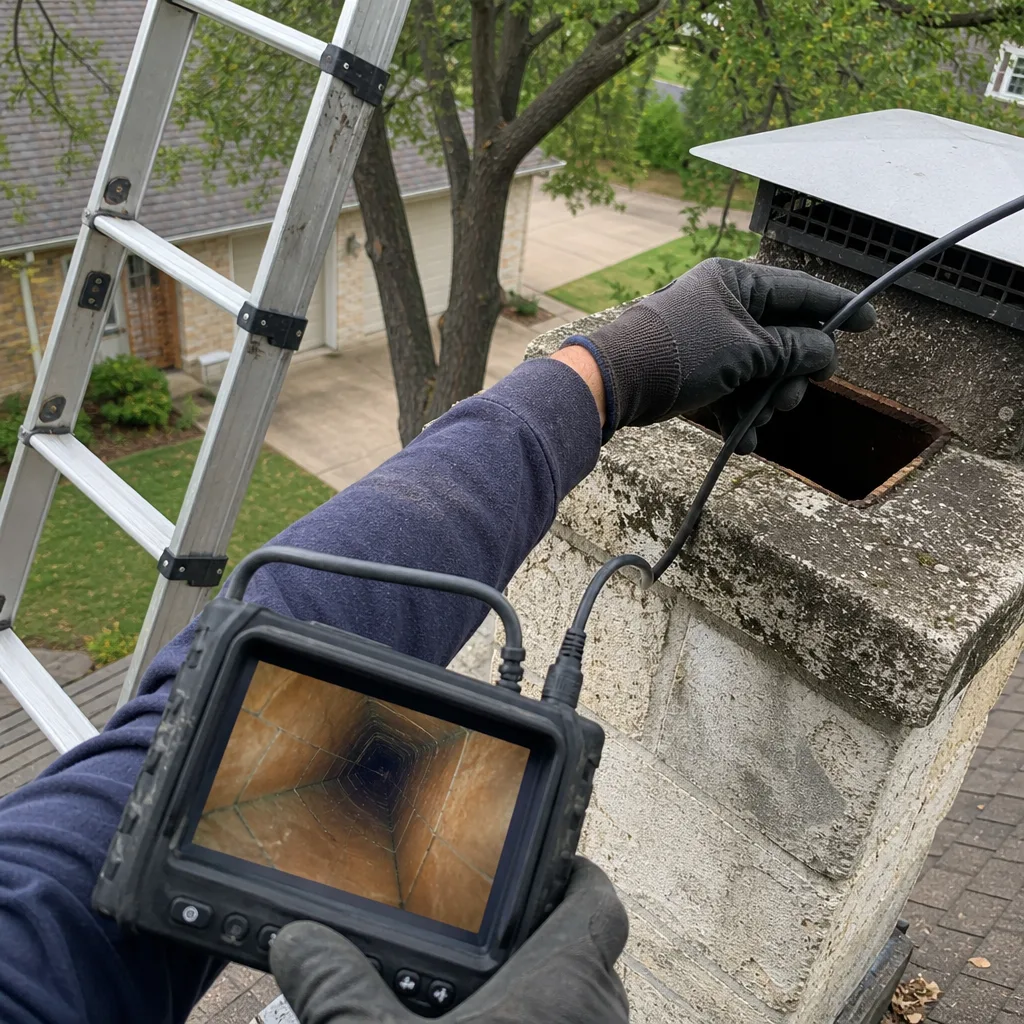
Last updated November 25, 2026
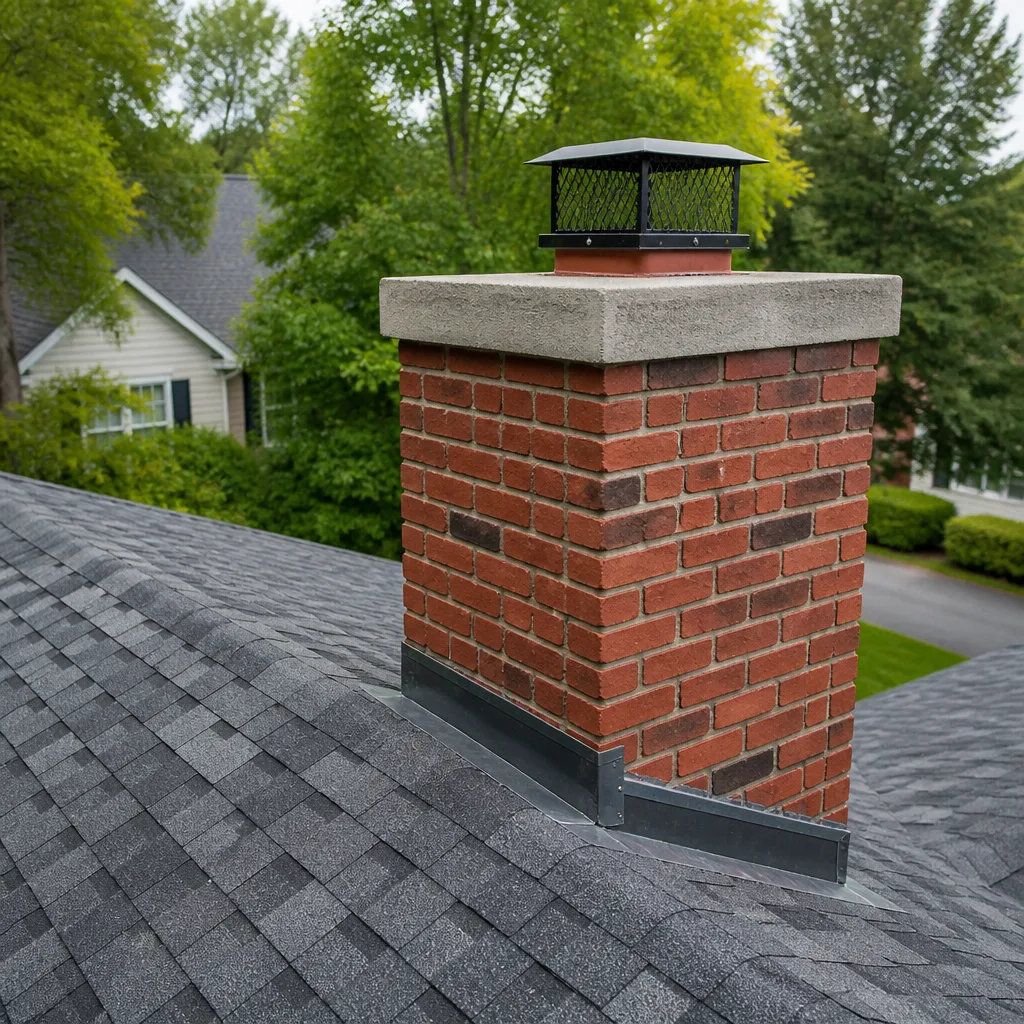 Sweep & inspection
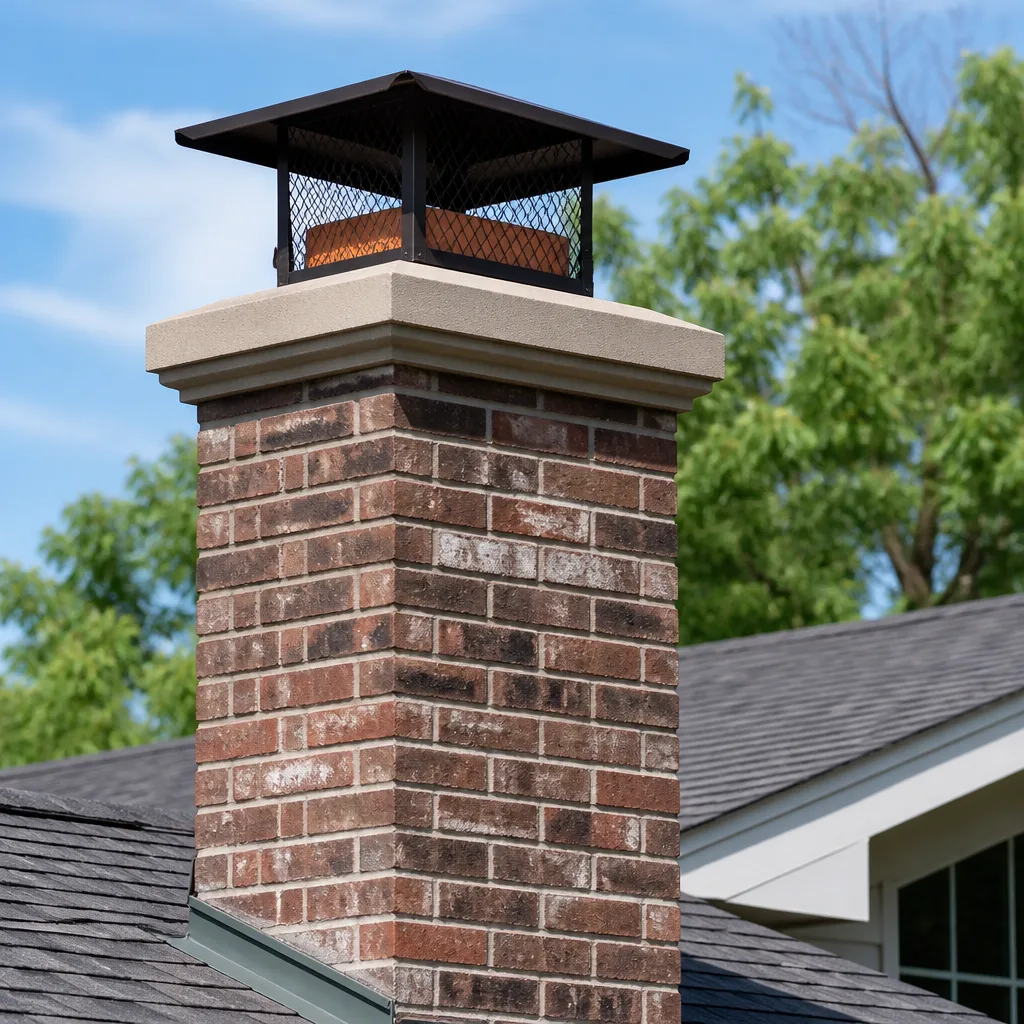 Caps & crowns
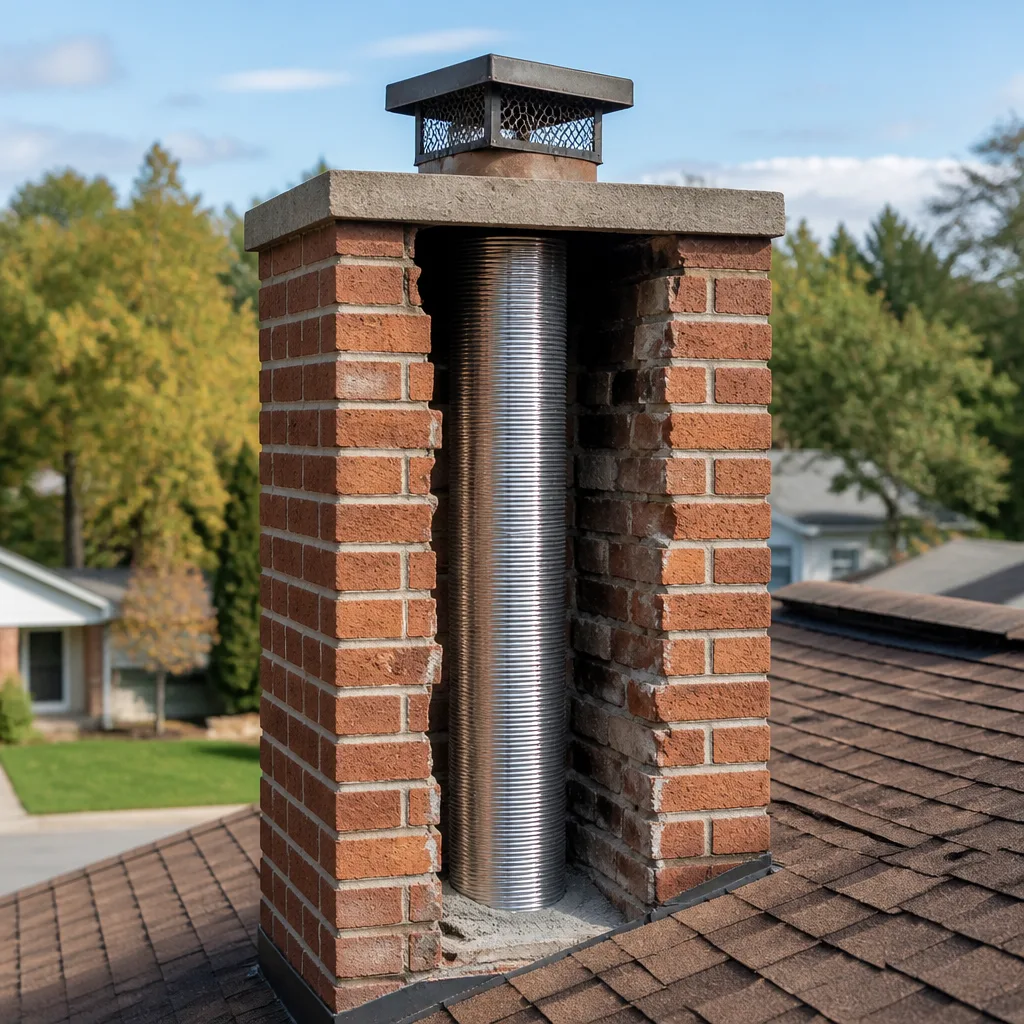 Flue relining
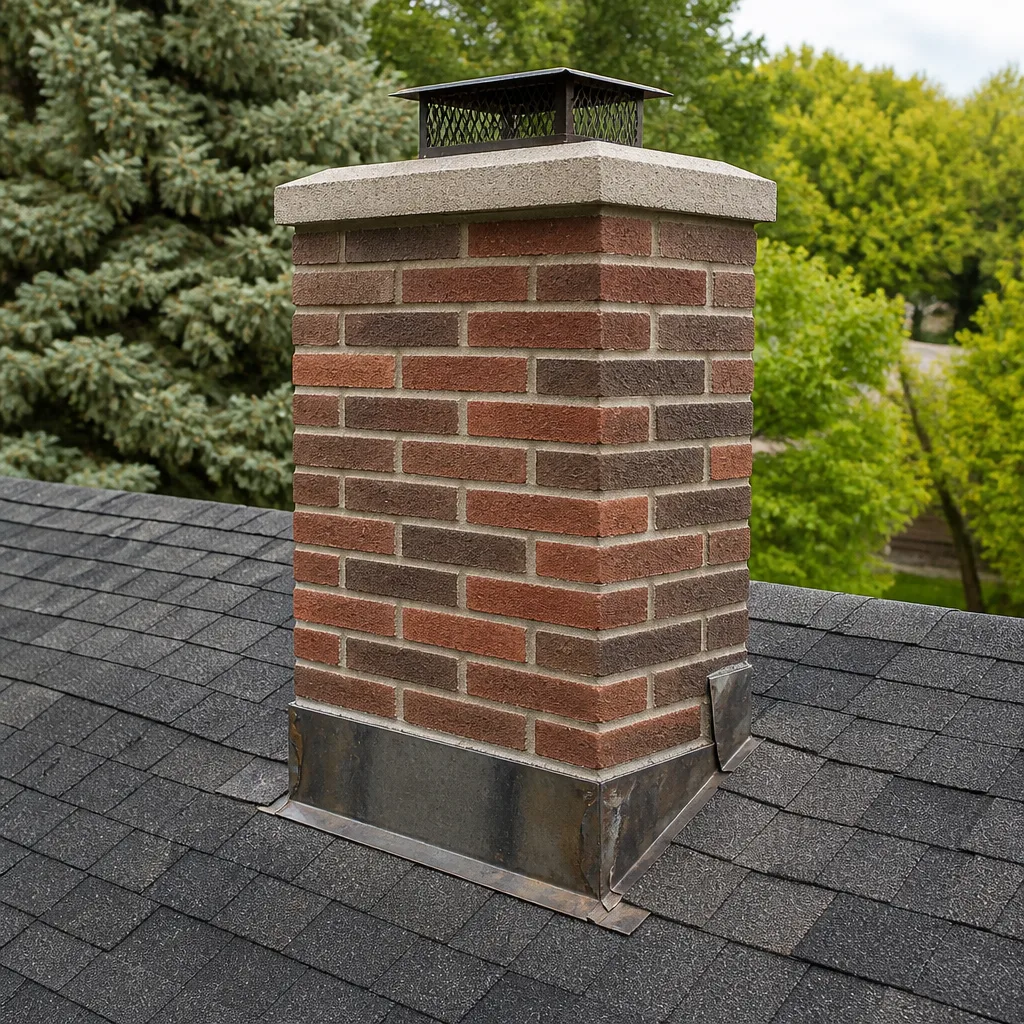 Masonry repair
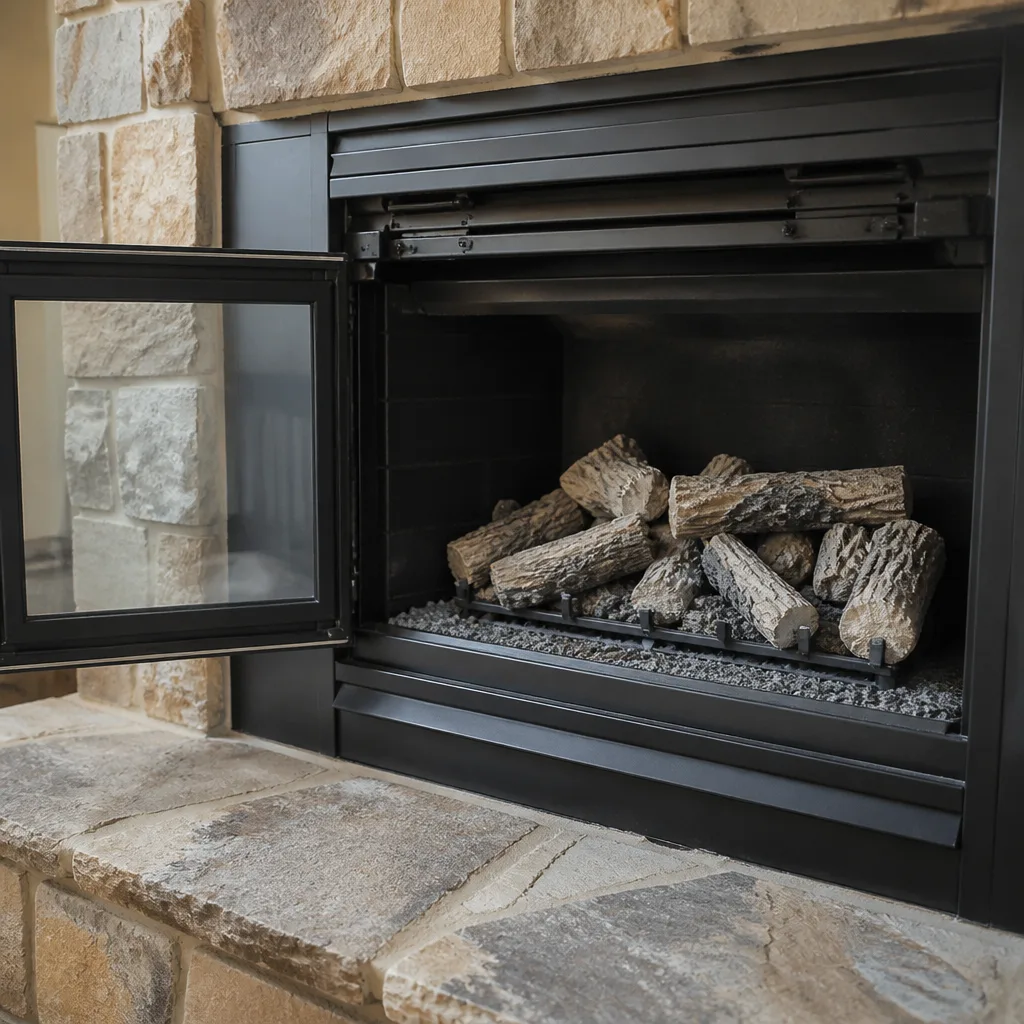 Gas fireplace service
Level 1 sweep and inspection to the NFPA 211 annual standard - flue, crown, cap, and flashing checked and photographed
Chimney sweep logs do not sweep chimneys. They loosen some creosote - which then falls where a brush and vacuum still have to collect it.
Seasonal Chimney Cleaning Care for Far North Dallas: Year-Round Homeowner’s Guide
Most chimney care advice you’ll find online follows a northern script: sweep in autumn, forget it until next year. That script was written for places with long winters and dry summers. Far North Dallas runs on a different clock. Our most damaging months for a chimney aren’t January or February. They’re June, July, and August, when Gulf humidity settles over North Texas and works slowly on any flue that isn’t sealed at the top. The damage doesn’t announce itself. It waits until the first cold night, when you light a fire and smell something you shouldn’t. This guide walks through all four of our chimney seasons and tells you what to check, when to schedule, and how to time repairs so cleaning, inspection, and any cap or crown work happen together instead of dragging across the year.
Quick Answer
Seasonal chimney care in Far North Dallas runs on four distinct windows: a summer moisture watch (June-August), a pre-season sweep before the first fire (September-October), mid-season creosote monitoring if you burn more than three fires a week (November-February), and post-burn-season inspection plus storm damage assessment (March-May). The single most important habit is booking your chimney sweep and inspection before the first cold snap, not after, because that’s when scheduling backs up across Far North Dallas.
Styles & brands we work with
- Sweep & inspection
- Caps & crowns
- Flue relining
- Masonry repair
- Gas fireplace service
Table of Contents
- Summer in Far North Dallas: The Off-Season That Isn’t
- Fall: The Pre-Season Sweep Window
- Winter: Monitoring Creosote Mid-Season
- Spring: Post-Burn Inspection and Storm Damage
- Coordinating Cleaning, Inspection, and Repairs in One Visit
- What We Check on the Whole Chimney System
- Common Mistakes to Avoid
- When to Call a Professional
Summer in Far North Dallas: The Off-Season That Isn’t
Between June and August, a Far North Dallas chimney sits through weeks of high humidity and afternoon heat. If the cap is missing, bent, or rusted through, that moist air moves freely down the flue. It condenses on cool masonry and on the liner. Over a summer, that repeated wetting and drying leaves white mineral staining, called efflorescence, on the exterior brick and can soften mortar joints from the inside out. None of it shows up in how the fireplace looks from the living room. You find out in November.
What makes summer the real maintenance season here is that the damage is slow and quiet. A cracked crown, a loose cap, or a gap where the flue meets the crown lets water in during every summer storm. Far North Dallas gets hail in spring and heavy rain through summer, and each event pushes a little more water into the same weak points.
What to check in summer, from the ground:
- Stand back from the house and look at the cap. Is it flat and intact, or tilted, rusted, or missing?
- Look at the crown, the sloped concrete top around the flue. Cracks wider than a hairline are worth having looked at.
- Check the firebox and damper area inside for white staining, rust, or a damp smell on humid days.
- Note any musty odor in the room after rain. That’s a moisture sign, not a chimney smell you should live with.
This is also the best season to schedule cap and crown work, because it’s the dry stretch when repairs can be made and sealants can cure without the pressure of a cold snap arriving. A properly fitted chimney cap & crown installed with purpose-built components is the single most effective protection against summer moisture intrusion, and it keeps birds, squirrels, and raccoons out of the flue at the same time.
Fall: The Pre-Season Sweep Window
The best time to book a sweep in Far North Dallas is September into October, before you light the first fire. Once the first genuinely cold night arrives, every homeowner in the area remembers their chimney at the same time. The result is a squeeze: bookings stack up and the wait stretches. Getting ahead of it costs you nothing and guarantees you’re not waiting to use a fireplace you can’t safely light.
A pre-season visit does two things. It clears last season’s soot and creosote from the flue, and it gives us a look at the whole system while it’s still accessible and dry. A sweep alone tells you the flue is clean. A standalone inspection tells you whether the liner, crown, cap, and firebox are in condition to take another burn season. Those are different questions, and we treat them separately so you get an honest assessment rather than a sweep with a hard sell attached.
Here’s how we’d sequence a fall visit:
- Book the sweep and inspection together before the first cold snap, ideally in September or early October.
- We sweep the flue and remove the soot and creosote load from last season.
- We inspect the liner, crown, cap, damper, and firebox and show you what we find, with photos where it matters.
- If the cap or crown needs work, we quote it in writing and can often handle it the same visit with Gelco or Famco components.
- You get a clear recommendation: what must be done before the first fire, what can wait, and what isn’t needed at all.
For homes in Far North Dallas that burn regularly, the fall sweep is the anchor point of the whole year. Everything else in this guide builds around it.
Winter: Monitoring Creosote Mid-Season
Once you’re burning steadily, creosote builds up inside the flue with every fire. How fast depends on what you burn, how hot you burn it, and how often. The threshold worth remembering: if you’re burning more than three fires per week through the winter, that’s the pace at which a mid-season look becomes worth scheduling, especially if the wood isn’t well seasoned or the fire tends to smolder rather than burn hot.
Creosote is the reason chimney fires happen. It’s a tar-like residue that accumulates on the flue walls, and at a certain thickness and temperature it can ignite. You don’t need to be told a horror story to take it seriously. You just need to know how to watch for it.
Warning signs that a mid-season inspection is due:
- A strong, sharp, or acrid smell when the fire is lit, or when it dies down.
- Smoke rolling back into the room instead of drawing up the flue.
- Reduced draft, or a fire that’s harder to start than it used to be.
- Visible flaky or shiny black buildup on the flue walls, if you can see them at the damper.
- Any crackling or rumble that doesn’t match the sound of a normal fire.
If any of those appear mid-season, stop burning and have the flue looked at. Between fires, the best things you can do are burn dry, seasoned wood and avoid long, cool, smoldering fires, which produce more creosote than hot burns. In mild Far North Dallas winters, a lot of homes burn only a few times a month, which keeps the creosote load low. Homes that burn daily are the ones that warrant a look in January or February rather than waiting for spring.
Spring: Post-Burn Inspection and Storm Damage
When the burn season ends in March, the work isn’t over. Spring in North Texas brings severe weather, including hail and high wind, and that’s the season when a chimney takes its exterior hits. A post-burn inspection in March, April, or May closes out the year properly and catches storm damage before summer rain gets into it.
What a spring inspection looks for:
- Cracks or spalling in the crown after a hail or freeze event.
- Loose, bent, or missing caps and spark arrestors.
- Lifted or cracked mortar in the exterior chimney stack.
- Water staining on the firebox or interior masonry, which points to a leak that started months earlier.
- Any creosote or soot that built up during the season and wasn’t cleared.
Spring is also the ideal window to handle liner repairs. A deteriorating flue liner doesn’t always need a full tear-out. HeatShield ceramic resurfacing can restore a worn liner from the inside without demolishing the chimney, and it’s a repair option most general handymen can’t offer. For liners that need more, we work with DuraFlex flexible liner systems for gas, oil, and wood-burning appliances, which covers a wider range of Far North Dallas homes than a sweep-only service can. Getting this work done in spring means the chimney is sound and dry going into the humid summer, when you least want an open flue.
Coordinating Cleaning, Inspection, and Repairs in One Visit
The most common seasonal-care mistake is treating each task as a separate appointment. Homeowners schedule a sweep in fall, then discover the cap needs replacing, then book a second visit for that, then a third for a crown repair. Every extra visit is another scheduling squeeze and another chance for the work to get postponed. Far North Dallas homeowners get more out of the year when cleaning, inspection, and any cap, crown, or liner work are coordinated into one plan.
Here’s how we’d suggest coordinating it:
- In late summer, do a quick ground-level look at the cap and crown. Note anything cracked, tilted, or missing.
- Book the fall sweep and standalone inspection together, and mention what you saw in summer so the technician comes prepared.
- If the inspection finds cap or crown work, get the written estimate and schedule it for the same or a follow-on visit, while the flue is already open.
- If the liner needs repair, plan it for spring, when the burn season is done and the weather is dry.
- Keep a simple record of what was done each season so the next inspection has a baseline to compare against.
That’s the logic behind covering the whole system rather than just the flue. When the same people who sweep the chimney also inspect it and install the components that protect it, nothing gets lost between appointments. When you’re ready to schedule, call (866) 937-8051. We answer 24/7, and fast dispatch runs from 7am to 7pm.
What We Check on the Whole Chimney System
A chimney isn’t one component. It’s a stack of connected parts, and a seasonal guide that only talks about the flue misses most of them. Here’s what we look at across the year, and why each part matters in Far North Dallas’s climate.
- The flue and liner: the passage the smoke travels. Creosote collects here, and summer humidity degrades it when the top is open.
- The crown: the sloped top that sheds water away from the flue. A cracked crown is the number one entry point for moisture.
- The cap: the cover at the top of the flue. It keeps out rain, animals, and debris. A damaged cap lets in all three.
- The firebox and damper: where you build the fire. Cracks in the firebox brick or a damper that won’t seal affect both safety and efficiency.
- The exterior stack: the brick and mortar above the roofline, which take the brunt of North Texas hail and wind.
We work on the whole chimney system, not just the flue. That means using professional-grade parts from recognized suppliers like DuraFlex for liners, HeatShield for ceramic liner resurfacing, and Gelco or Famco for caps and crowns. These are the same kind of products used by certified chimney specialists, not generic hardware-store substitutes. An inspection first, then an honest recommendation: we repair what needs it and tell you plainly what can safely wait.
Common Mistakes to Avoid
- Waiting until the first cold snap to book a sweep. That’s when every Far North Dallas homeowner remembers their chimney at once, and the wait stretches. Book in September.
- Ignoring the chimney all summer. Summer humidity is the primary off-season threat here. A cap that’s been damaged since spring will let moisture work on the liner for months before you notice.
- Treating a sweep as the same thing as an inspection. A sweep clears the flue. An inspection tells you the condition of the liner, crown, and cap. Schedule both, and have the inspection done as its own service.
- Burning daily all winter without a mid-season look. More than three fires a week is the pace where a January or February inspection is worth it, especially with unseasoned wood.
- Skipping the spring storm check. North Texas hail and wind can crack a crown or loosen a cap. Catch it in spring, before summer rain gets in.
- Replacing a cap or crown with an improvised cover. A purpose-engineered cap protects the flue long-term. A hardware-store cover will fail within a season or two.
- Letting a small liner problem become a full reline. A deteriorating liner can often be resurfaced with HeatShield before it needs full replacement. Early repair is the cheaper path.
When to Call a Professional
Some chimney work is a seasonal routine, and some of it is a call you make today. Call a professional if you smell a strong or acrid odor from the fireplace, if smoke rolls back into the room, if you see cracks in the crown or a damaged cap from the ground, if water stains appear on the firebox, or if you’ve burned heavily all winter without an inspection. Also call if you’ve moved into a Far North Dallas home and don’t know when the chimney was last serviced. fireplace repair and liner work involve heat, structure, and carbon monoxide risk, so this isn’t a job to improvise. Chimney Sweep Far North Dallas offers free estimates in Far North Dallas – call (866) 937-8051.
See the difference
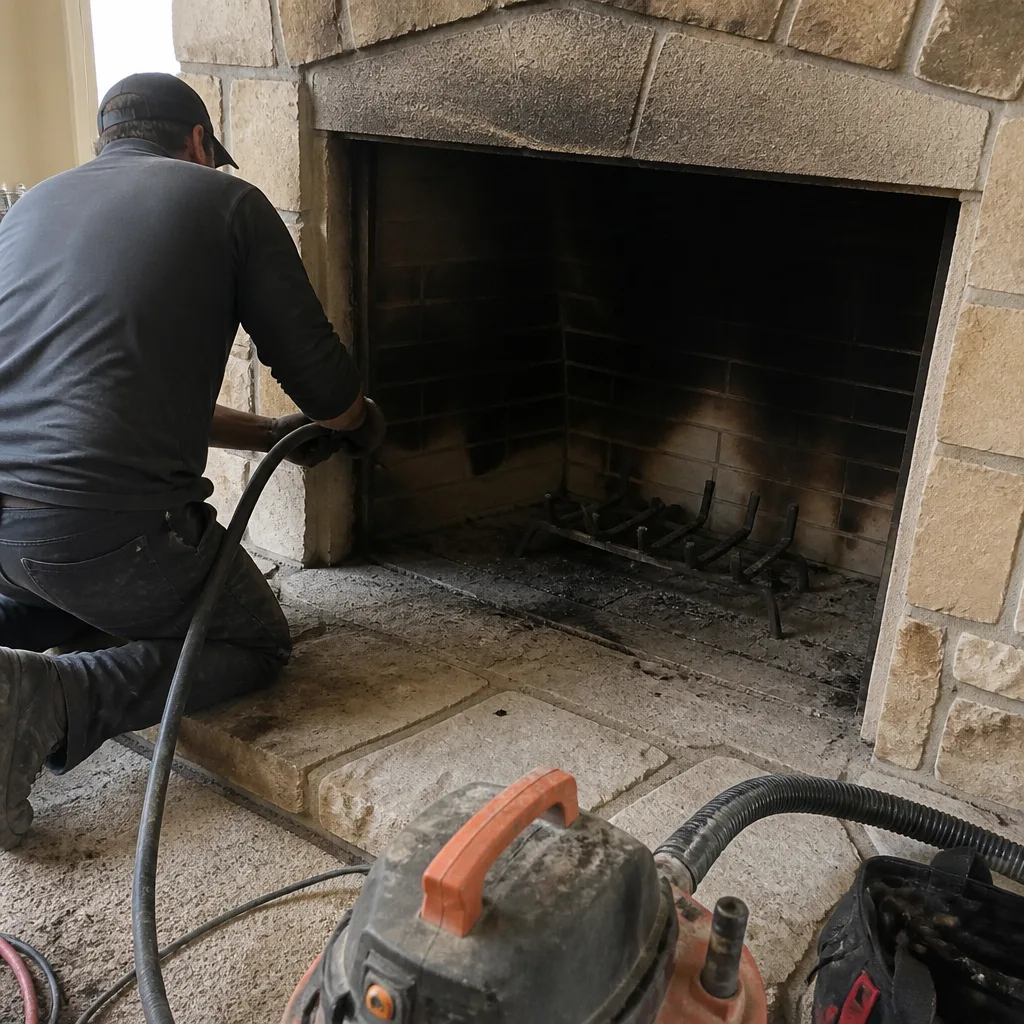 Before
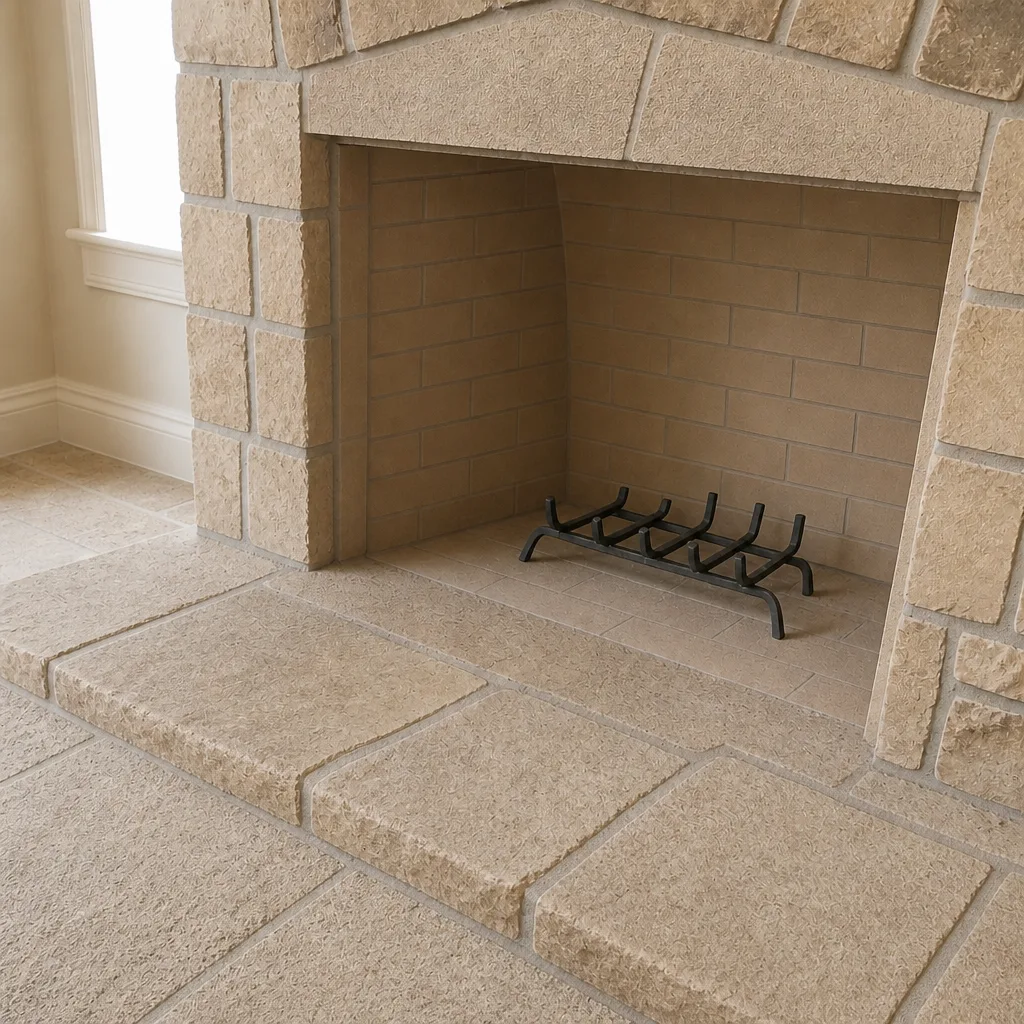 After
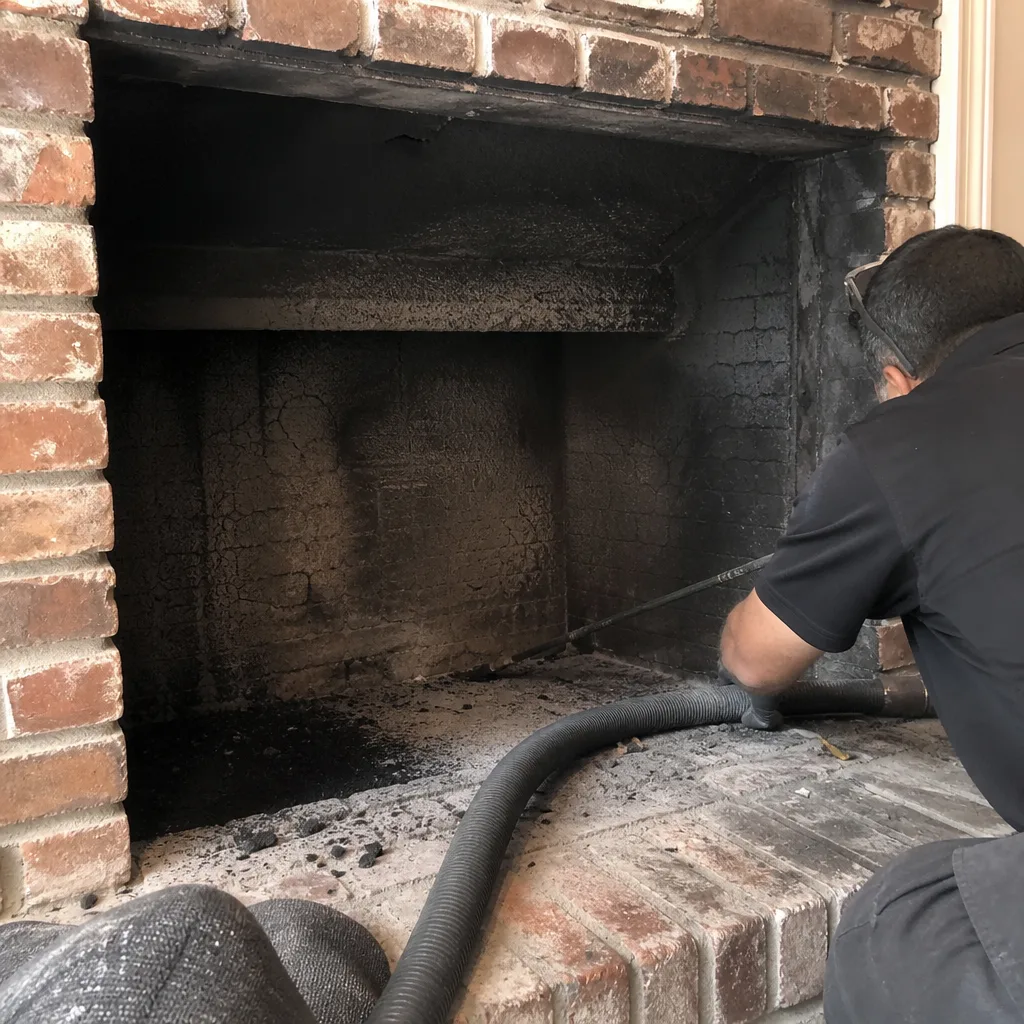 Before
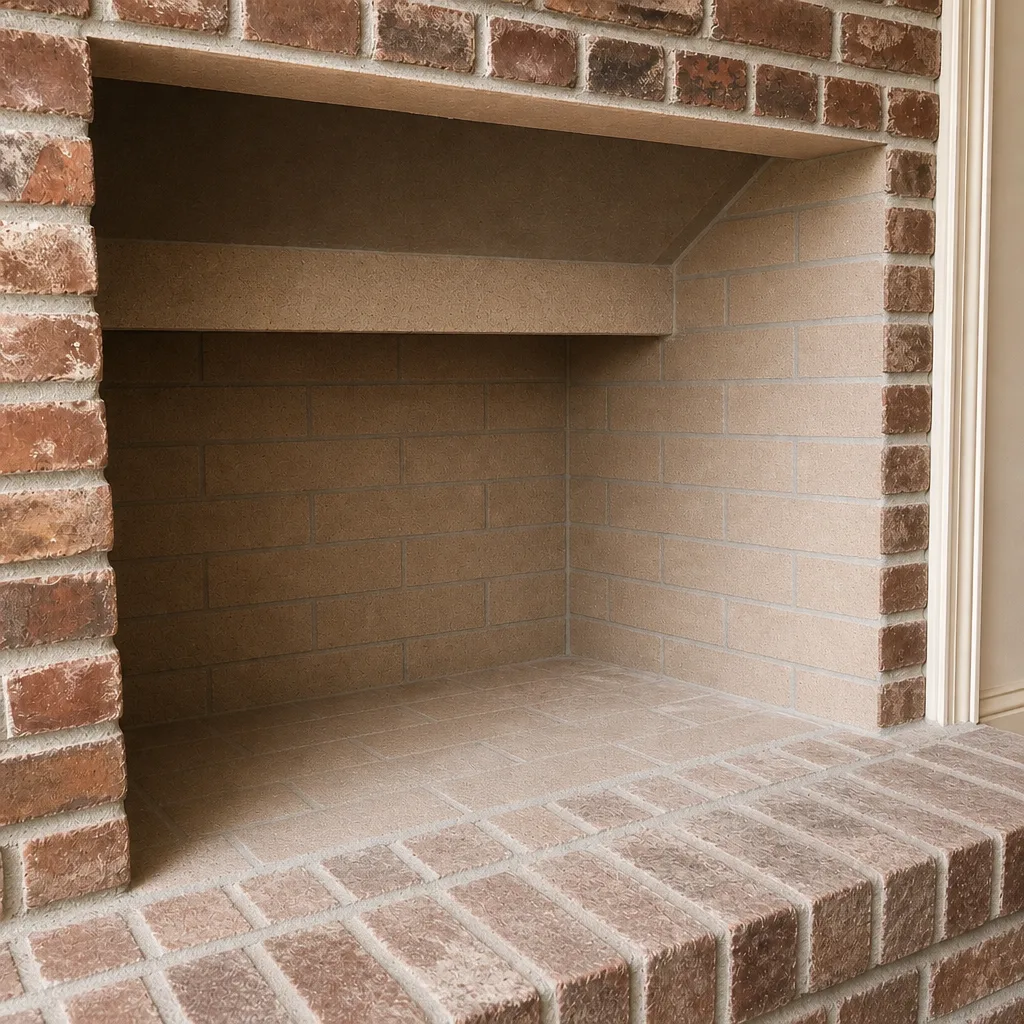 After
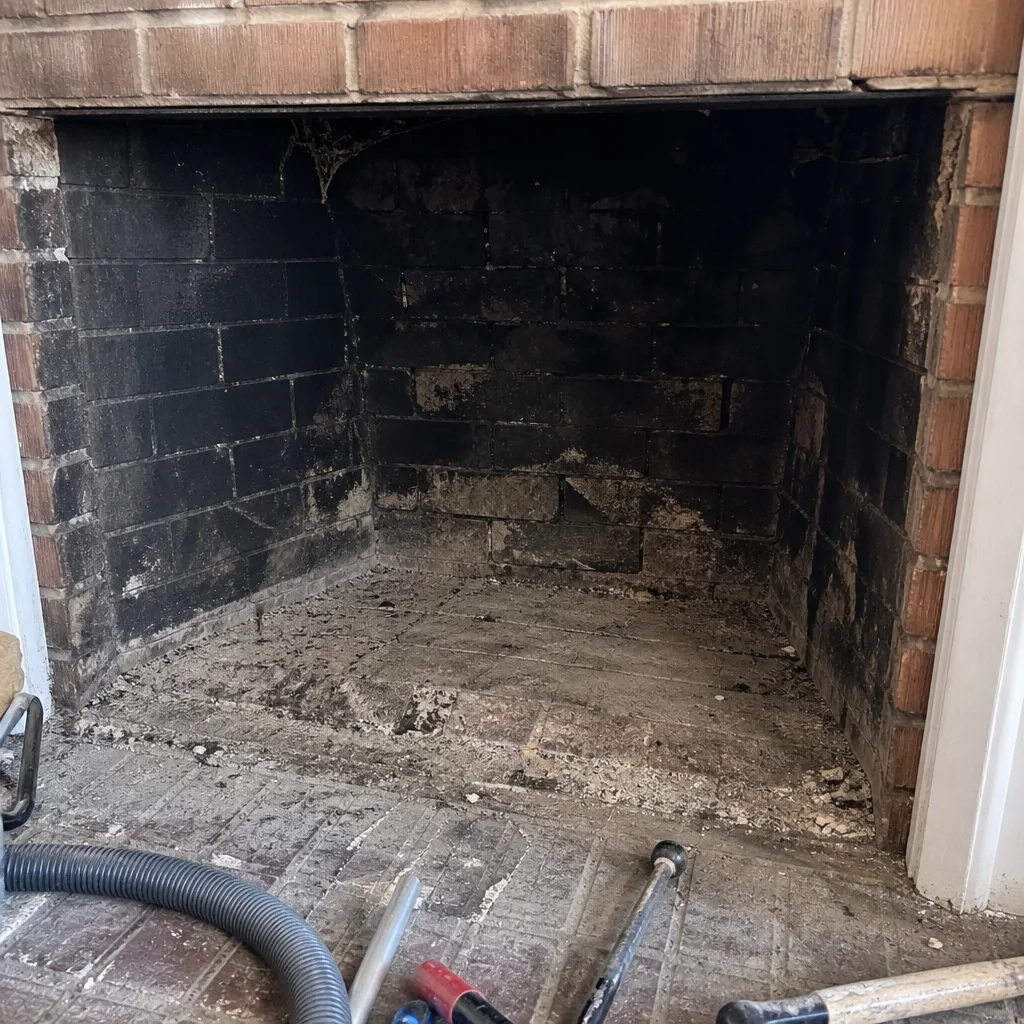 Before
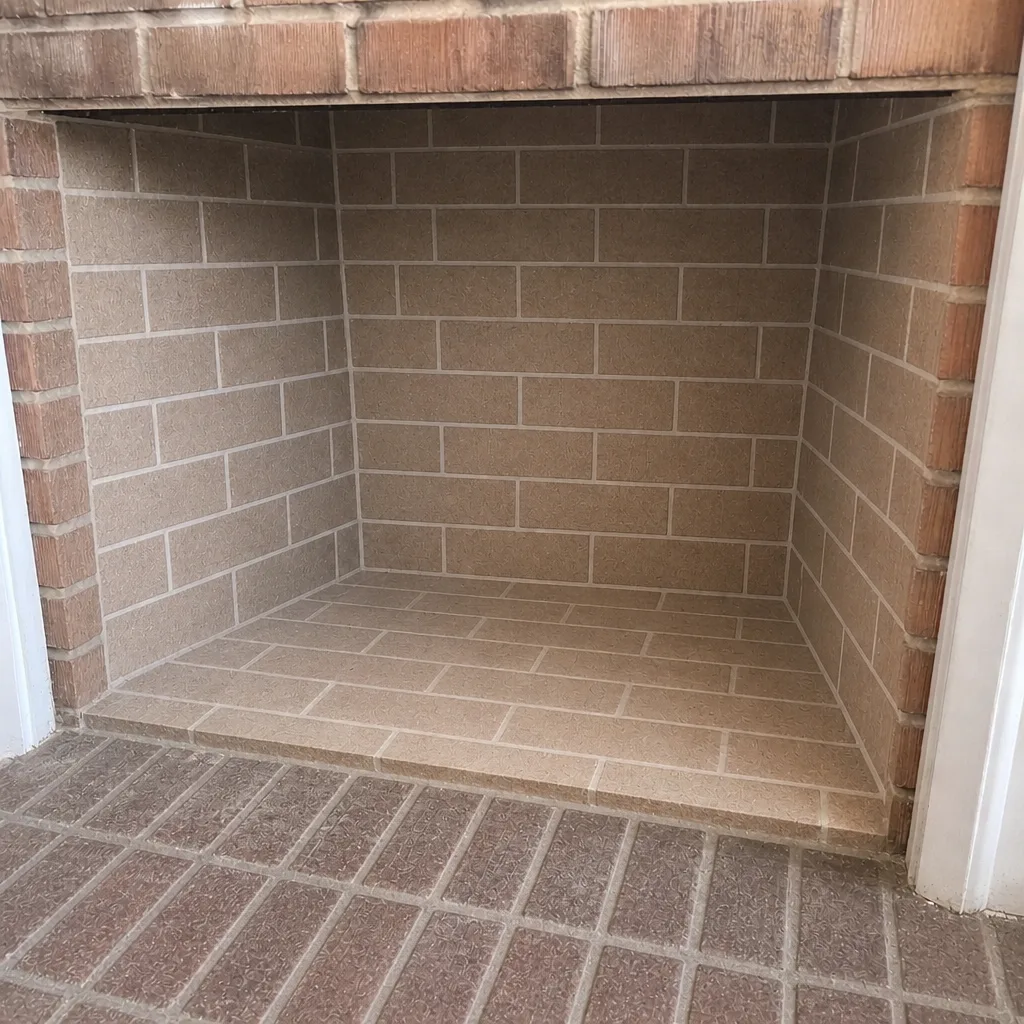 After
Frequently Asked Questions
Once a year is the standard for a home that burns regularly, and the fall pre-season window in September or early October is the best time to do it. Homes that burn more than three fires a week through the winter may want a mid-season inspection as well. Call (866) 937-8051 for an exact quote – estimates are free.
Because high humidity moves through any open or damaged cap and condenses on the liner and masonry, slowly degrading them over June, July, and August. The damage isn’t visible until the first fire of the season. Getting a cap and crown check done before summer is the best protection.
Creosote builds up unseen, small crown and cap cracks let water in, and a liner problem that could have been resurfaced early becomes a full reline. Skipping one year is low-risk for a home that burns a few times a month. Skipping several years is where real problems start. Call (866) 937-8051 for an inspection before the season.
A deteriorated liner doesn’t always need a full replacement. HeatShield ceramic resurfacing can restore a worn liner from the inside without tearing out the chimney. We only recommend relining when the liner is beyond resurfacing, and we show you why. Call (866) 937-8051 to get an honest assessment.
Ideal timing is late summer into fall, before the first cold snap, so the repair is done and dry before the burn season. If you spot a crack in spring after a storm, don’t wait until fall – water gets in through the whole summer. Call (866) 937-8051 for a free estimate.
Yes, and we will. Nothing is recommended without evidence you can see, and we say plainly when a repair can wait until next season. That’s what an inspection-first approach is for. Call (866) 937-8051 to book it.
The Bottom Line
Far North Dallas doesn’t run on the national chimney-care calendar. Its four seasons here are a summer moisture watch, a fall pre-season sweep, a winter creosote check for heavy burners, and a spring storm-and-liner inspection. Book the sweep and inspection before the first cold snap, keep an eye on the cap and crown through the humid months, look at the liner in spring after storm season, and coordinate the work so it happens together rather than dragging across the year. That rhythm protects the whole system, and it’s what makes a fireplace something you can light with confidence when the first cold night arrives.
Ready to get on the seasonal schedule? Call (866) 937-8051 for a free estimate. We answer 24/7, and fast dispatch runs from 7am to 7pm, Sunday through Friday. For the core service, see our Chimney Sweep Far North Dallas page.
Written by the team at Chimney Sweep Far North Dallas.