
Last updated November 25, 2026
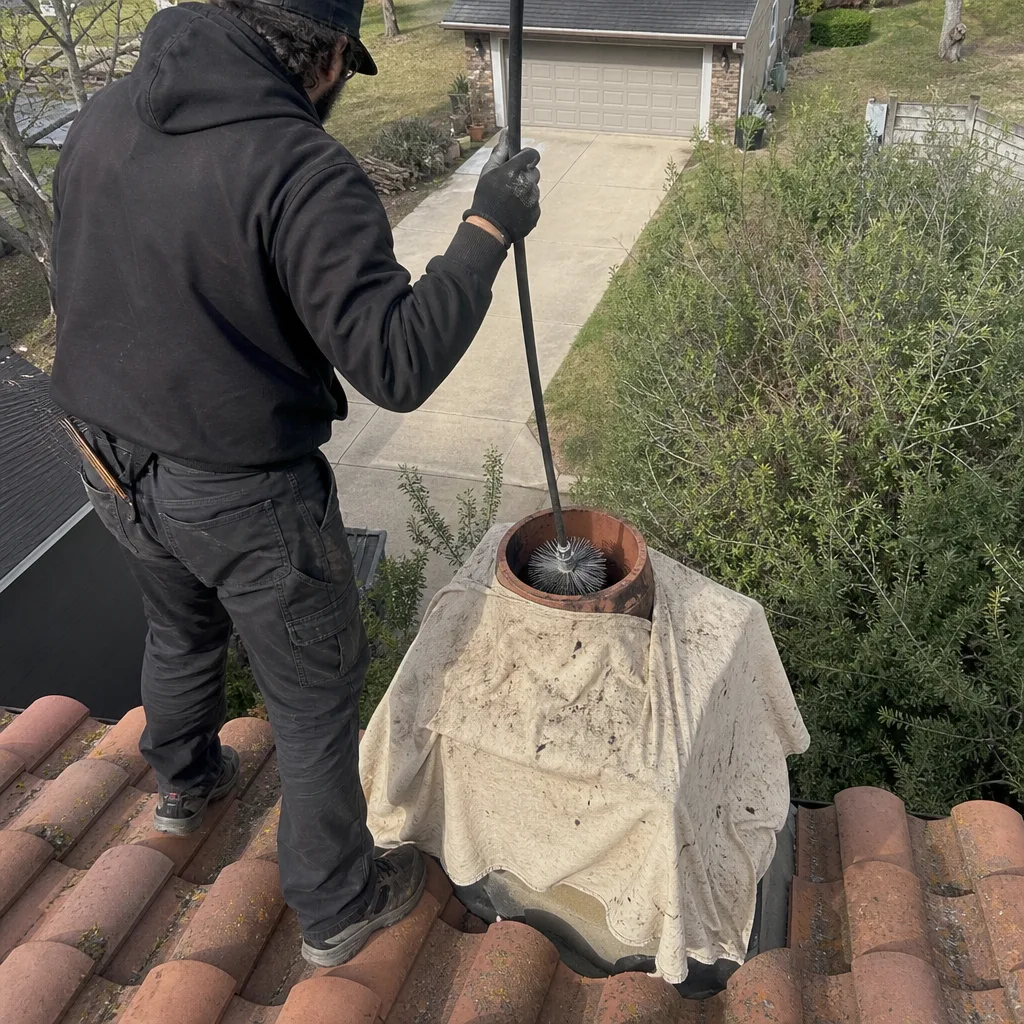
 Sweep & inspection
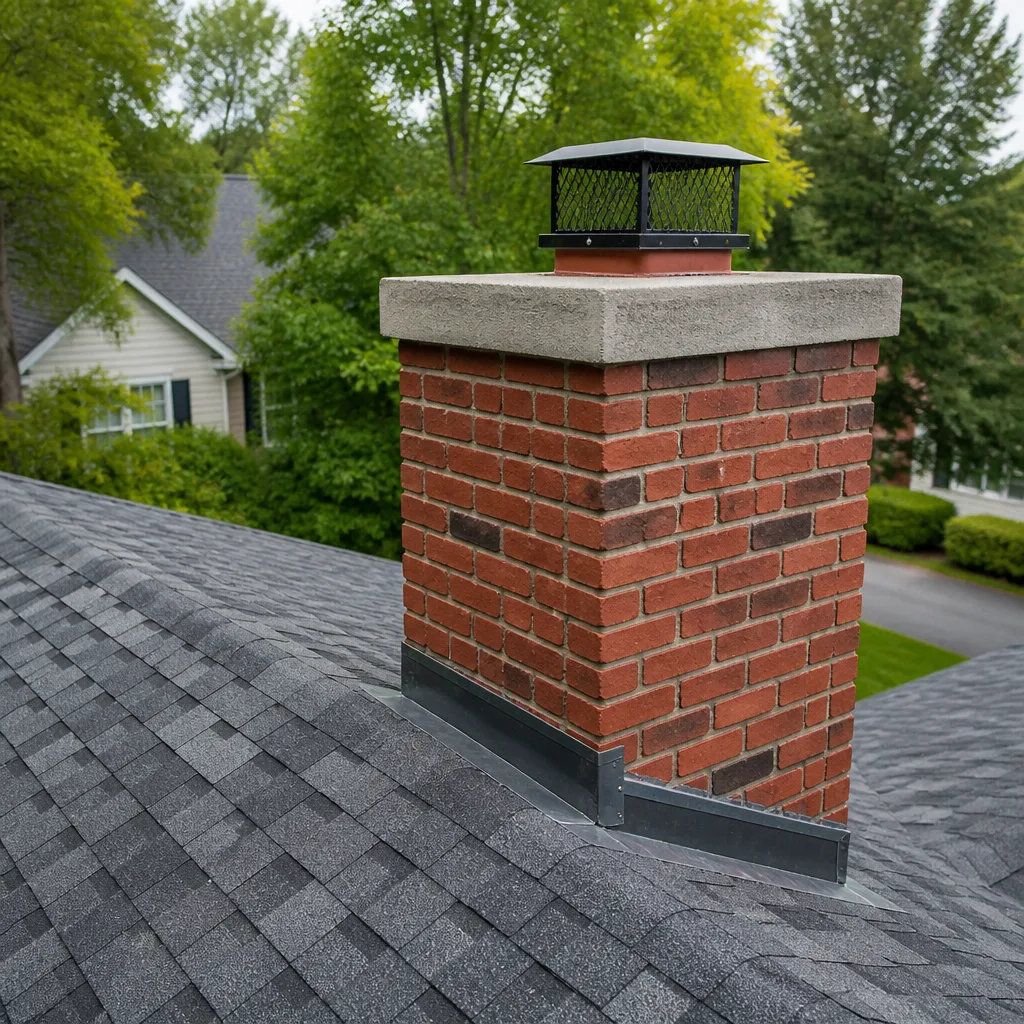
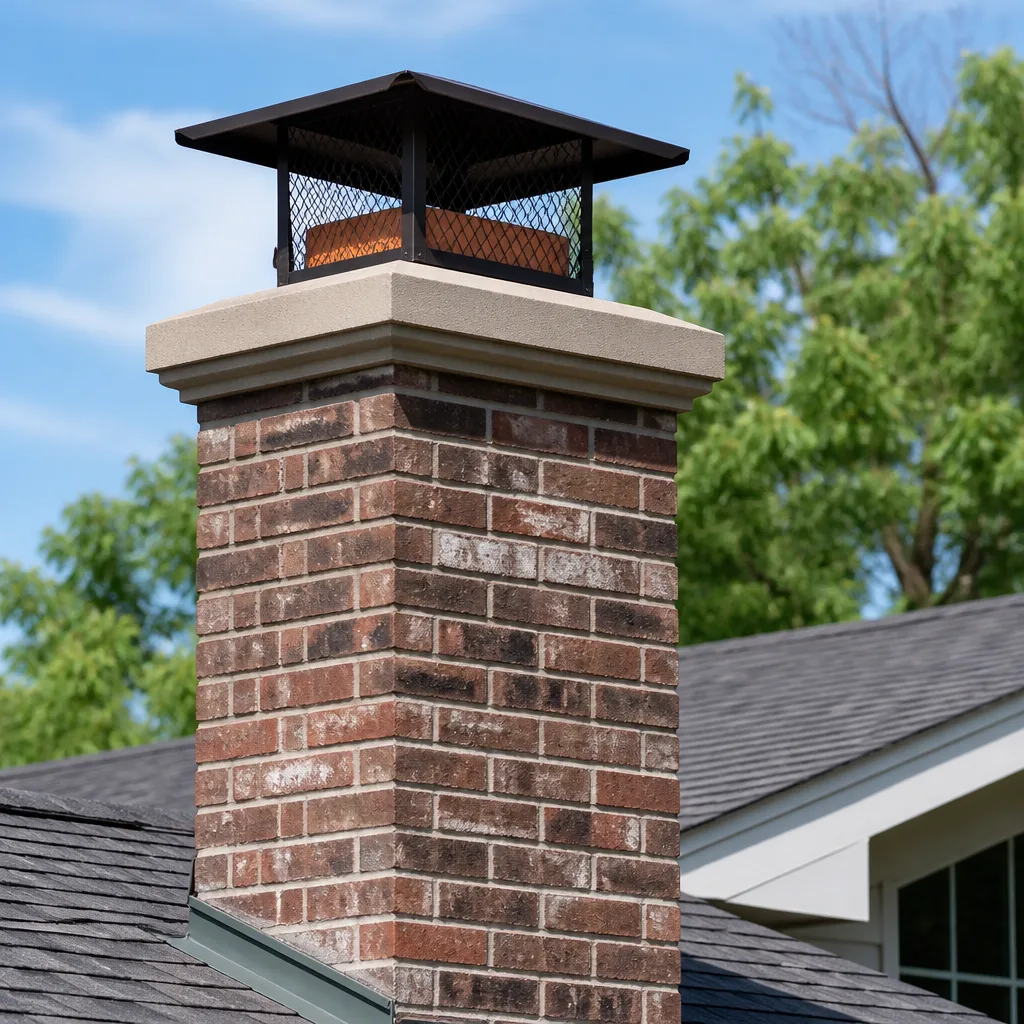 Caps & crowns
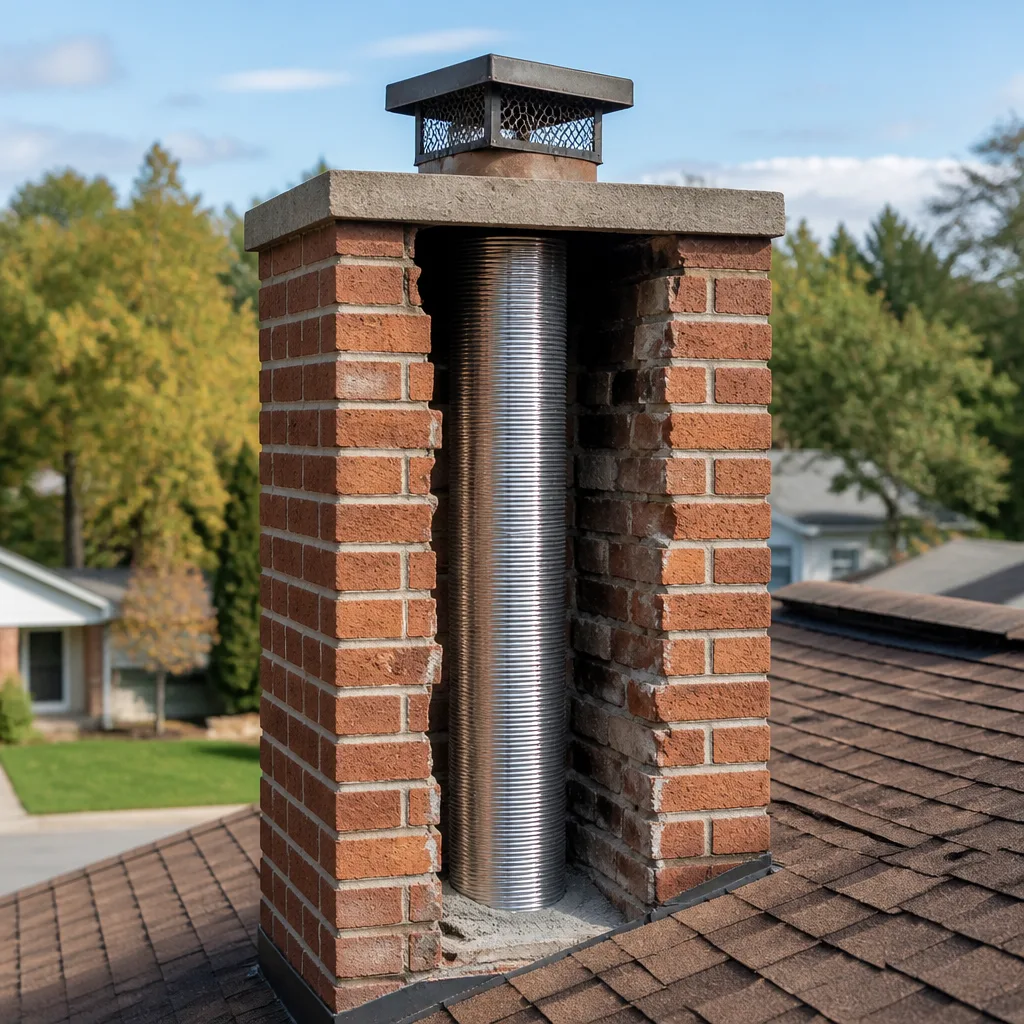 Flue relining
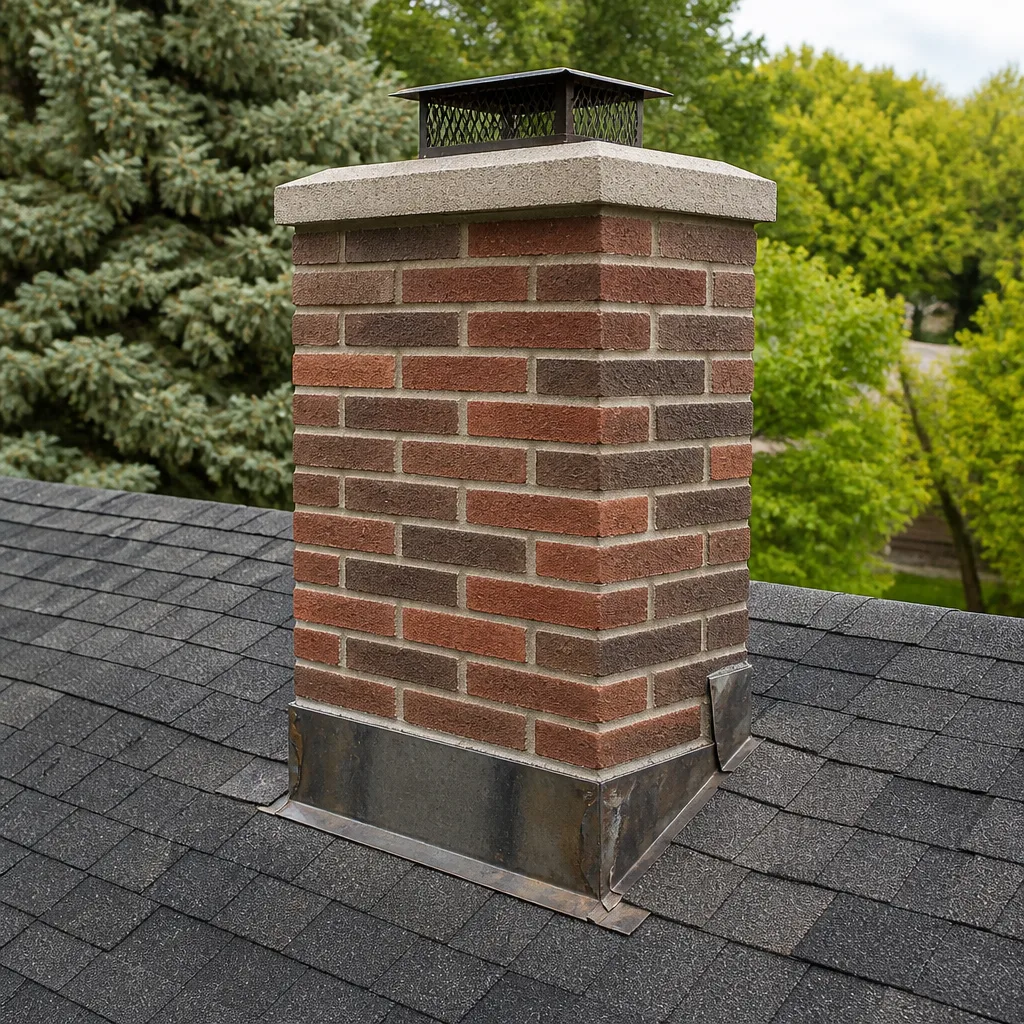 Masonry repair
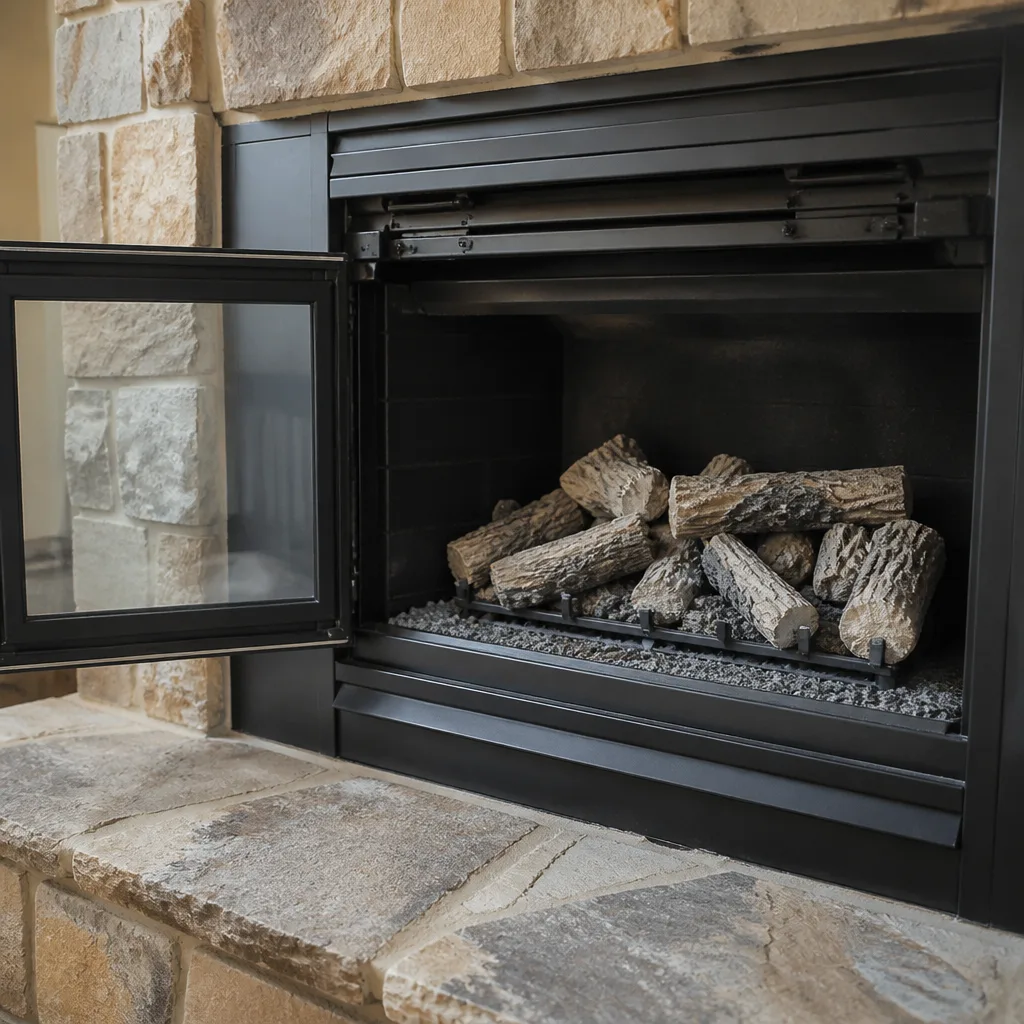 Gas fireplace service
Level 1 sweep and inspection to the NFPA 211 annual standard - flue, crown, cap, and flashing checked and photographed
Chimney sweep logs do not sweep chimneys. They loosen some creosote - which then falls where a brush and vacuum still have to collect it.
Chimney Cleaning Permits, Codes & Inspections in Far North Dallas, TX: What You Need to Know
Most chimney work in Far North Dallas doesn’t require a permit, and that’s exactly where homeowners get into trouble. A routine sweep is maintenance. Replacing a flue liner, rebuilding a chase, or adding a gas insert is construction, and construction falls under code. The contractor who says “we don’t need a permit for that” is sometimes right and sometimes creating a liability that stays with the house, not with them. This guide walks through where the legal line actually sits in Far North Dallas, what IRC Chapter 10 and NFPA 211 require, how Dallas amendments layer on top, and how a homeowner verifies that permit paperwork was really filed in Dallas County records.
Quick Answer
In Far North Dallas, a routine chimney cleaning and a Level 1 inspection don’t need a permit. Anything that changes the chimney system itself, including a liner replacement, a structural masonry rebuild, a prefab chase replacement, or a new gas appliance connection, does need one under the International Residential Code Chapter 10 as adopted and amended by the City of Dallas. Inspections should follow NFPA 211, and a Level 2 inspection report is usually what satisfies disclosure when a Far North Dallas home goes on the market.
Styles & brands we work with
- Sweep & inspection
- Caps & crowns
- Flue relining
- Masonry repair
- Gas fireplace service
Table of Contents
- Which chimney services need a permit in Far North Dallas?
- What does IRC Chapter 10 require, and how do Dallas amendments apply to Far North Dallas addresses?
- How does NFPA 211 fit in, and why should it matter to you?
- What does a Level 2 inspection report cover, and when do you need one?
- How do chimney inspections satisfy real estate disclosure in Texas?
- How do you verify a chimney permit in Dallas County records?
- Why does the Far North Dallas climate and housing stock change the way code applies?
Which chimney services need a permit in Far North Dallas?
The dividing line is whether the work changes the chimney system or just services it. Cleaning soot and creosote from a flue you already have is maintenance. Altering the flue itself, its venting path, or the appliance connected to it is construction, and in Texas that means code, inspection, and a permit filed with the City of Dallas.
Here’s how the split typically breaks down:
No permit required (maintenance and inspection):
- Routine chimney sweep, including removal of soot, creosote, and nesting debris
- Level 1 visual inspection of an accessible chimney
- Level 2 inspection using a camera, when no alterations are made
- Chimney cap replacement where the cap mounts to an existing flue and no structural change happens
- Crown sealing, waterproofing, and minor crown patch repair
- Cleaning a fireplace firebox
Permit typically required (construction and alteration):
- Liner replacement, including installing a new stainless flexible liner or resurfacing a damaged flue
- Structural masonry rebuild of the chimney or firebox
- Prefab factory-built chimney or chase replacement
- Adding a new wood stove, insert, or fireplace where none existed
- Connecting a gas appliance, or converting a wood fireplace to gas
- Changing the venting path or height of a flue in a way that affects clearances
If you’re not sure which side a job falls on, the answer comes from the City of Dallas permit office, not from the contractor’s opinion. A Chimney Sweep Far North Dallas visit will tell you what the chimney needs; the city tells you what paperwork the repair requires. We treat those as two separate questions, and we say so plainly before work starts.
What does IRC Chapter 10 require, and how do Dallas amendments apply to Far North Dallas addresses?
IRC Chapter 10 is the model code section that governs chimneys and vents in single-family residential construction. Texas doesn’t adopt it as a single statewide code; the state leaves adoption to local jurisdictions, and the City of Dallas enforces the code for every Far North Dallas address. That means the version Dallas has adopted, plus any local amendments, is what an inspector will actually reference when they look at your chimney.
IRC Chapter 10 sets out requirements that come up on almost every real chimney repair:
- Clearances between the chimney and combustible materials, including the framing, roof deck, and attic insulation
- Chimney height above the roof, and the termination point relative to nearby roof surfaces
- Liner and flue requirements, including sizing, material compatibility with appliance type, and continuity
- Venting of gas appliances, including draft and spillage considerations
- Fireblocking and support requirements where a chimney passes through floors or a roof
Dallas amendments layer on top of the base code. Local amendments in practice address things like who can submit a permit, what drawings are required for masonry work, and inspection sequencing. They’re not exotic; they’re the ordinary administrative layer that turns a code section into a permit process. When a contractor tells you no permit is needed for a liner replacement, they either haven’t read the local amendments or they’re avoiding the inspection. Neither is good for you.
One practical note on these Far North Dallas neighborhoods full of homes built from the late 1970s through the 2000s: original chimney construction on those homes reflects the code at the time of the build, which may differ from today’s requirements. That doesn’t mean an older chimney is out of compliance. It means when you replace something, the replacement has to satisfy what Dallas enforces now.
How does NFPA 211 fit in, and why should it matter to you?
NFPA 211 is the Standard for Chimneys, Fireplaces, Vents, and Solid Fuel-Burning Appliances. It’s not a building code in the permitting sense; it’s the technical standard that inspectors, sweeps, and code officials both reference when they’re evaluating a chimney’s condition and how a repair should be designed. The IRC tells you what’s required; NFPA 211 tells you how to do it correctly.
You can tell a lot about a contractor by which standard they cite. Someone who talks only in terms of “this needs repair, trust me” is asking you for faith. Someone who cites NFPA 211 inspection levels, references the specific conditions that trigger a repair, and hands you a report with photos is giving you something you can verify. That’s the difference between a sweep and a professional chimney service.
NFPA 211 defines three inspection levels, and they matter after you learn the permit rules:
- Level 1: a visual inspection of an accessible chimney with no special tools, done as part of a routine sweep
- Level 2: a full inspection using a camera and, usually, access to concealed portions of the flue; required after a chimney fire, after a change in appliance, and on sale or transfer of the property
- Level 3: a diagnostic inspection that includes opening concealed spaces; used when the Level 1 or 2 inspection surfaces a concern that can’t be resolved otherwise
If you’ve got an unresolved draft problem or a chimney that’s been out of service for several seasons, the correct starting point is a Level 2, and any professional recommending a repair without one is guessing. A chimney sweep that includes a camera inspection is the right baseline.
What does a Level 2 inspection report cover, and when do you need one?
A Level 2 inspection report documents the condition of your chimney with photos and measurements that a third party can review. It’s not a written opinion scrawled on a business card. The report lets a homeowner, a buyer, or a real estate agent see what’s actually happening inside the flue instead of taking the word of whoever happened to be there.
A proper Level 2 report includes:
- Camera evidence of the interior flue surface, joint by joint, from the appliance to the top
- Condition of the firebox, smoke chamber, damper, and any appliance connection
- Condition of the cap, crown, chase cover, and flashing at the roof
- Photos of any observed defect, not a summarized rating alone
- A written summary distinguishing what needs repair now from what can safely wait
- Recommendations phrased against NFPA 211 language where relevant, so a code official or inspector can follow up
A Level 2 is required, not optional, in four situations in Far North Dallas:
- After a chimney fire, even one you think put itself out
- When the appliance changes (wood stove added, gas insert installed, a new furnace that vents into the chimney)
- On sale or transfer of the property
- After an event that could have damaged the chimney, such as severe weather, a roof replacement, or settling at the chase
Far North Dallas is loaded with mid-century and late 20th-century homes where the chimney has been quietly ignored for many years. Camera inspection on those chimneys regularly finds things a visual check misses: cracked flue tiles, gaps at the joints, and previous repairs that weren’t done correctly. If you haven’t had the chimney inspected since you bought the house, you’re overdue.
How do chimney inspections satisfy real estate disclosure in Texas?
Texas doesn’t have a separate chimney-specific disclosure statute. What it has is a property disclosure process, and the chimney information a seller is expected to have disclosed is what a recent inspection report establishes. A Level 2 inspection performed on sale or transfer of the property is the document that evidence sits in.
What actually matters in a transaction:
- The inspection has to be recent; an inspection from several years ago isn’t useful
- It has to be Level 2, not a sweep with a photo of the flue cap
- The report needs to name defects and potential consequences, not rate the chimney as “good”
- It has to be signed by the technician who did the work, with the scope of inspection clearly stated
Unpermitted work is the part sellers underestimate. If a previous owner replaced a liner or rebuilt part of the chimney without a permit, the disclosure doesn’t necessarily surface it. What surfaces it is the buyer’s inspector, who asks for records, and the permit search at City of Dallas comes back empty. At that point, remediation is the seller’s problem. A Level 2 inspection before listing catches the problem early, when there’s still time to do the work correctly with a permit and get it signed off.
Buyers, on the other side, should request the last inspection report before closing and ask for the permit records on any chimney work done in the last several years. If neither exists, the correct move is to commission a new Level 2 during the option period. It’s cheap relative to what a hidden liner failure costs to fix later.
How do you verify a chimney permit in Dallas County records?
Homeowners rarely ask for permit documentation, and contractors know it. That’s why the verification step pays off. Whether you’re the seller protecting the transfer, the buyer protecting yourself, or the current owner who wants to know what’s actually been done, a permit search takes a few minutes and answers questions no contractor’s word can.
How the process usually goes:
- Ask the contractor for the permit number and the address it was filed under, before work starts if it’s new, after the fact if you’re checking old work
- Contact the City of Dallas permit office and request the permit history for your address; development services maintains the record
- Confirm the permit reflects the work done. A permit for “chimney cap installation” when a liner was replaced doesn’t cover the liner
- Confirm the inspection was final, meaning the city inspector signed off, not just that a permit was issued
- Ask for a copy of the signed inspection card or the final inspection record for your files
If the permit history comes back empty for a job you were told was permitted, treat that as a serious red flag and get a Level 2 inspection to document what’s actually there. The right time to run this search is before you close the transaction, not after. If your flue shows camera evidence of a liner that was improperly installed, that’s the moment to pull in a professional who can quote a correct repair, not to keep chasing the original contractor.
We tell every Far North Dallas homeowner we work with to run this search on any chimney work that’s already been completed. It doesn’t take long, and it usually tells you something you needed to know.
Why does the Far North Dallas climate and housing stock change the way code applies?
Far North Dallas has mild winters and hot summers. That’s not a trivial detail for chimney code compliance. It means fewer firing hours per year, so the creosote load builds up slowly and the chimney often isn’t inspected as often as it should be. It also means moisture from rain and humidity is the more common failure path than freeze damage, and that failure path shows up at the crown, the chase cover, and the flashing around the cap.
Practical consequences in this climate:
- The crown and cap are the parts doing the most work. A cracked crown lets water in, water damages the flue and the surrounding structure, and a structural rebuild becomes a permitted job that a crown repair wouldn’t have been. Copperfield and Famco caps are what we install because they hold up.
- Chase covers on prefab chimneys in Far North Dallas neighborhoods start to fail at the seal before the metal does. Replacing the seal doesn’t need a permit. Replacing the whole chase does.
- Gas appliance conversions are common when a homeowner wants a fireplace they’ll use more often. That conversion is a permit job, and a Level 2 inspection should happen before and after.
- Wood-burning fireplaces used a handful of times each winter still need sweeping and inspection, because the accumulation is what matters, not the number of fires.
The housing stock matters too. Far North Dallas covers a broad range, from 1970s construction with original masonry chimneys through 2000s builds with prefab systems. The code requirements aren’t identical for those two cases, and repairs have to match the system that’s actually on the house. A DuraFlex liner that’s correct for one chimney isn’t automatically correct for the next. A chimney cap & crown job on an older masonry chimney looks different from the same job on a newer prefab chase cover, even though homeowners describe both as “the cap.”
Common Mistakes to Avoid
- Treating “no permit needed” as the contractor’s call. The permit determination belongs to the City of Dallas, not to whoever is holding the trowel. When a contractor asserts a permit isn’t needed, ask them to put that in writing on the estimate. If they won’t, the answer is likely the opposite.
- Skipping the Level 2 because the sweep “already checked.” A sweep and an inspection are different services. A sweep clears the flue; a Level 2 documents its condition with camera evidence. If a contractor is bundling both into one line item at one price, ask what the camera footage actually shows.
- Closing on a Far North Dallas home without a recent inspection report. The report is cheap relative to remediation. Buyers who ask for the report before the option period ends have leverage; buyers who don’t, don’t.
- Believing a permit was filed without verifying it. A permit number is easy to invent and easy to check. A quick call to the City of Dallas permit office settles it. Do this for existing work at the time of sale, not after.
- Calling a general handyman for a liner repair. Liner work falls under chimney code and NFPA 211, and the range of acceptable materials is narrow. HeatShield ceramic resurfacing and DuraFlex flexible liners are the tools of the trade, and a handyman working from a hardware-store catalogue isn’t the same repair.
- Putting off the crown repair until it becomes a rebuild. A small crown patch is a maintenance job. A rebuild after years of water intrusion into the chase is a permitted structural job. The difference in scope is large, and it happens slowly enough that most homeowners don’t notice until it’s a real project.
- Assuming a gas fireplace doesn’t need to be inspected. Gas appliances vent, and venting is code. The inspection needs are different from wood, but they don’t go away.
See the difference
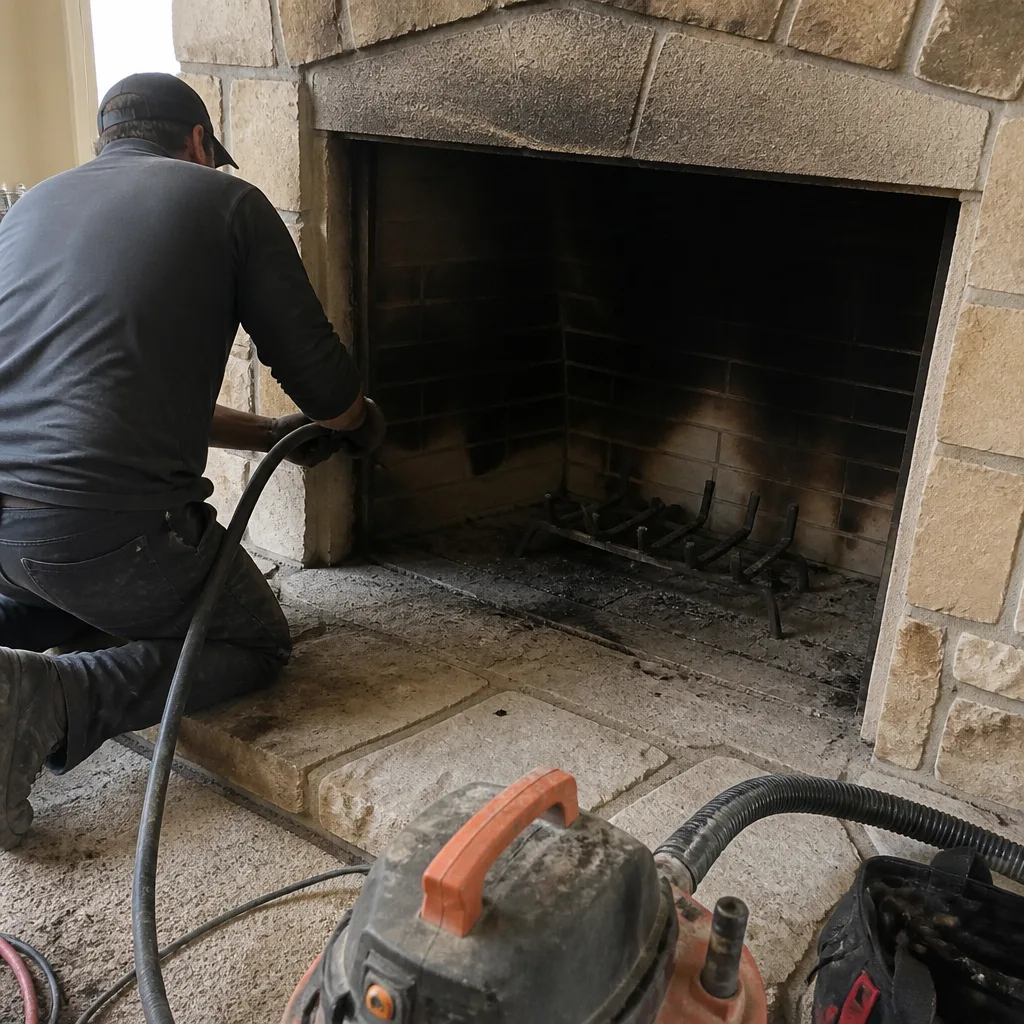 Before
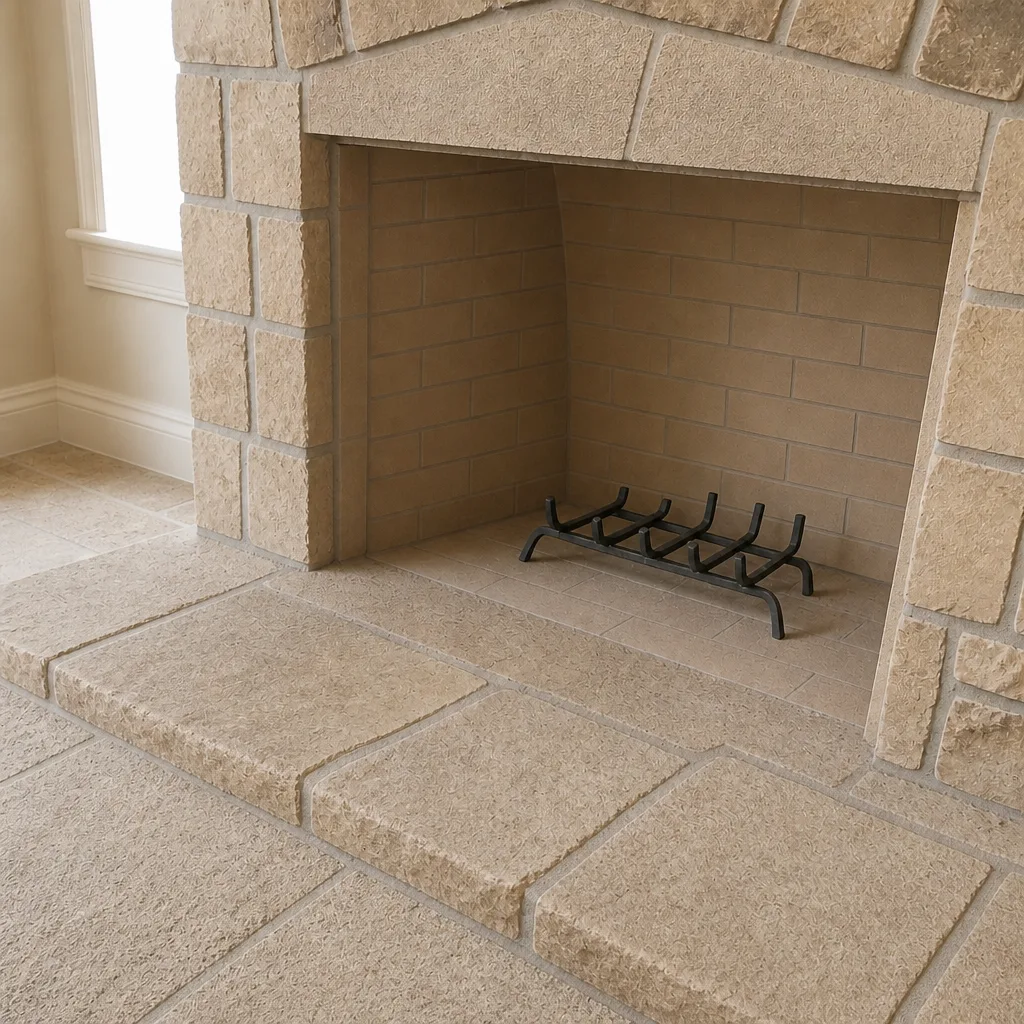 After
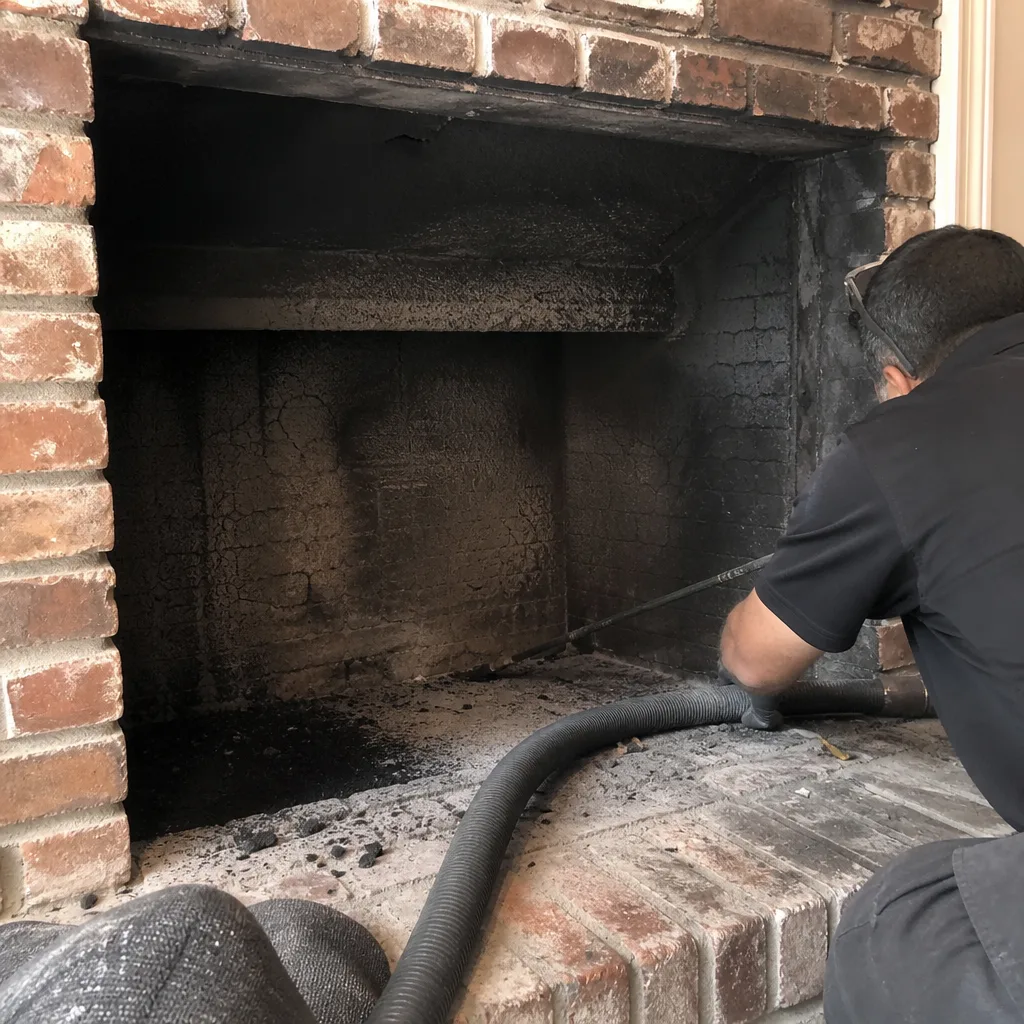 Before
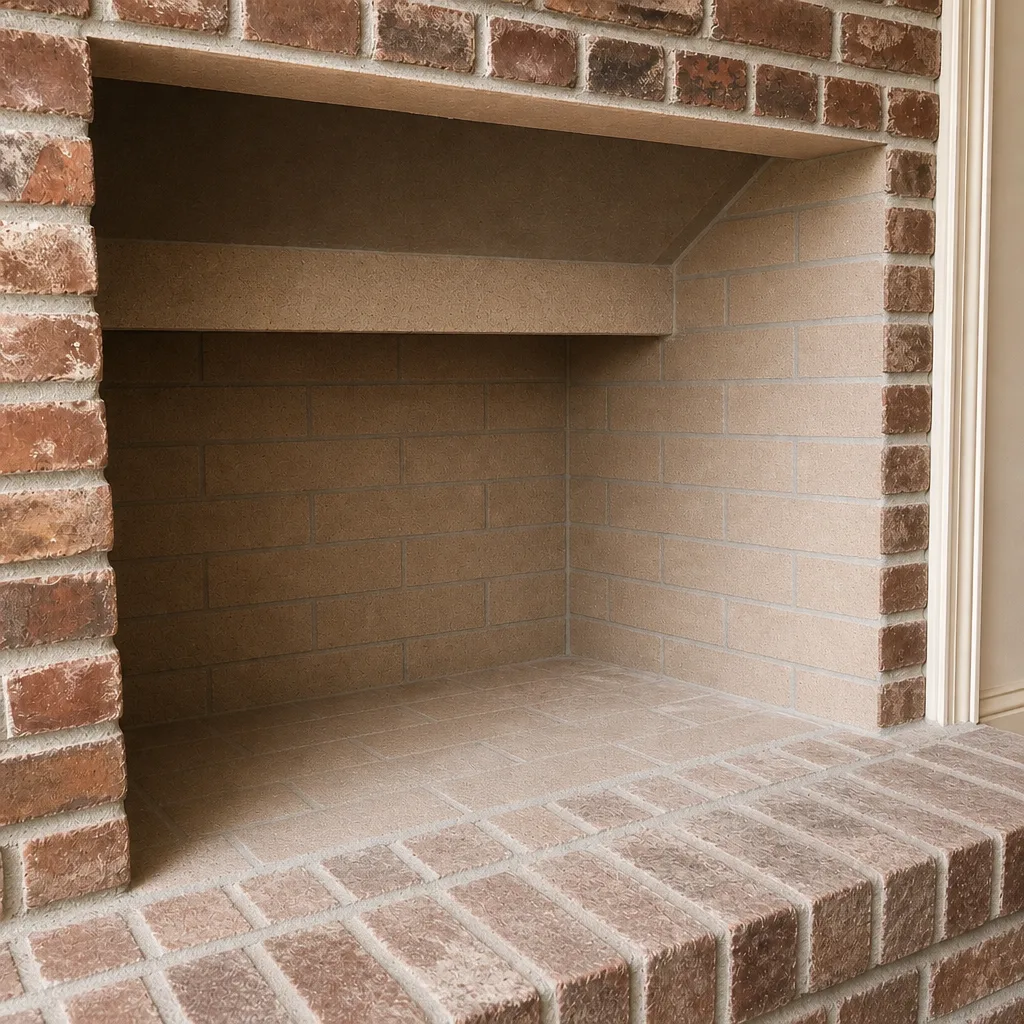 After
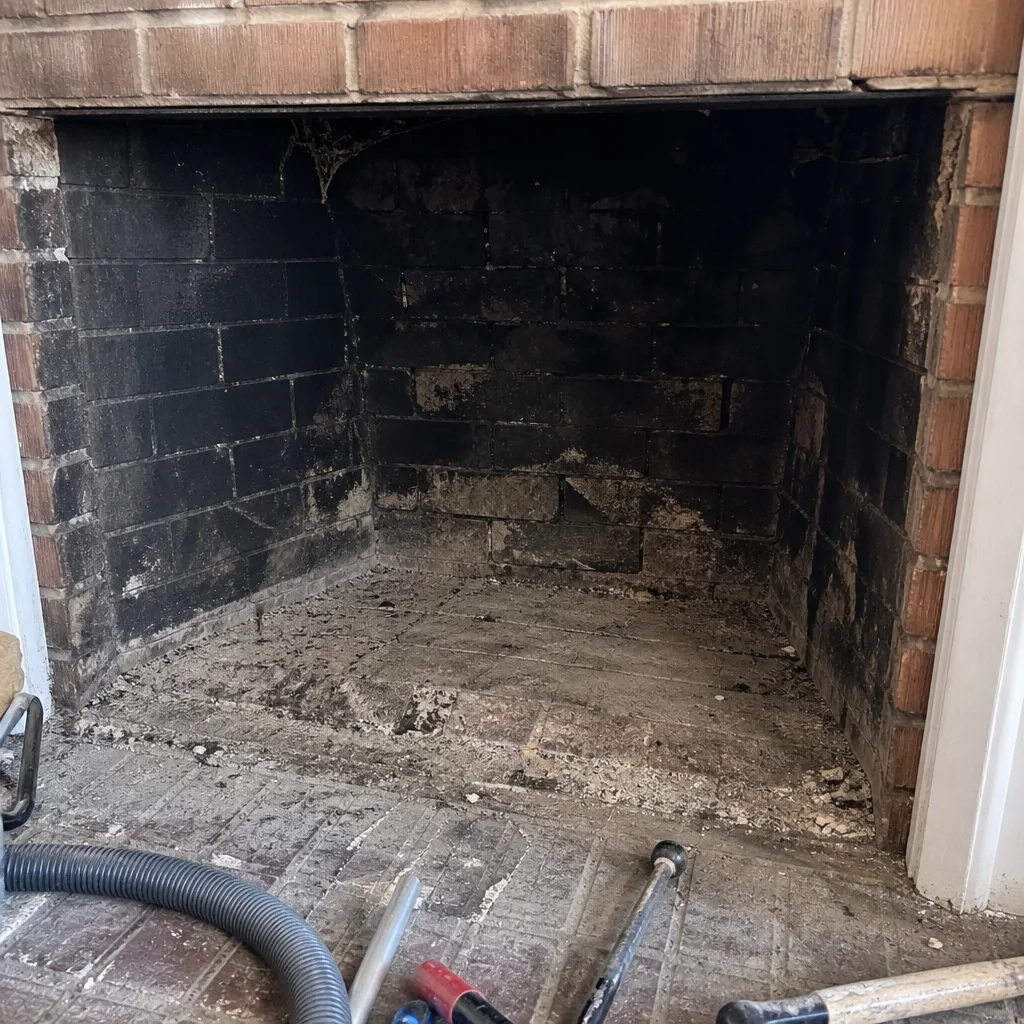 Before
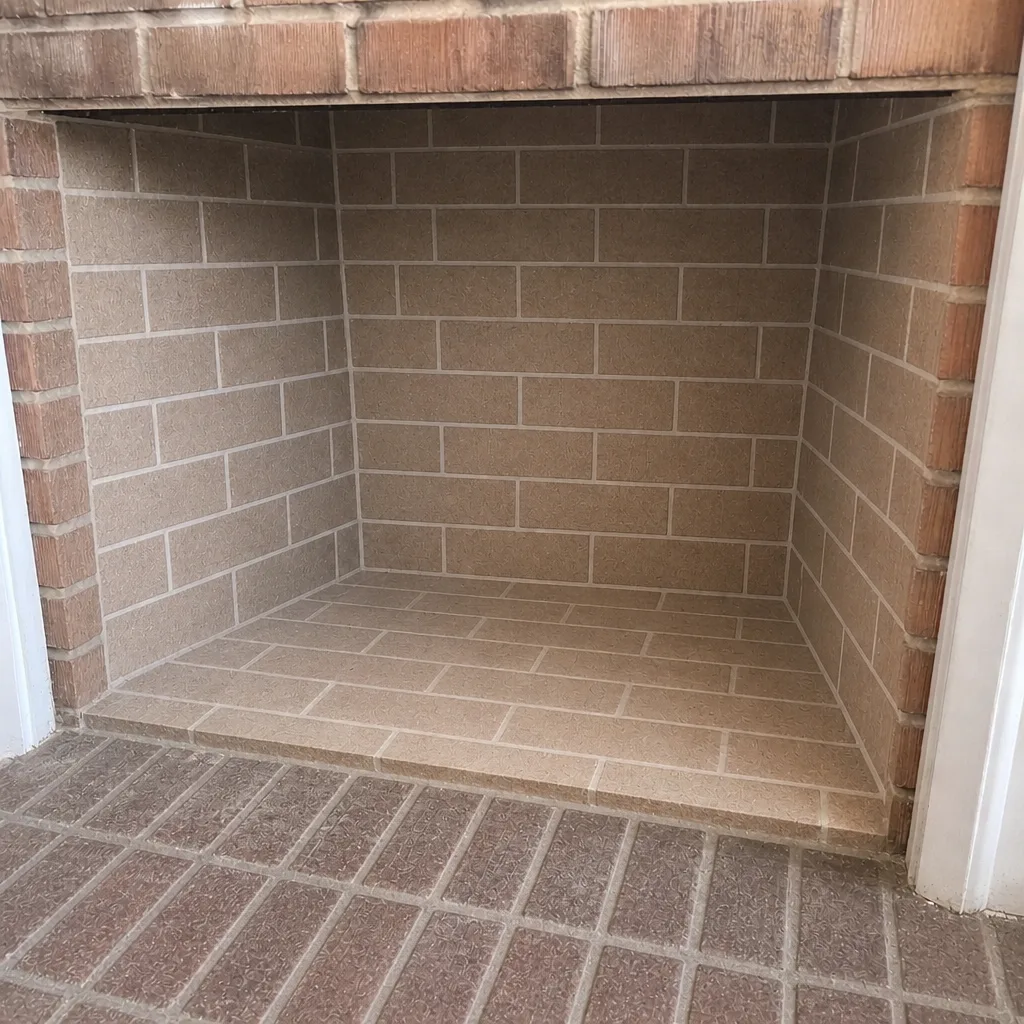 After
When to Call a Professional
Call a professional chimney specialist in Far North Dallas when you’re buying or selling a home and you don’t have a recent Level 2 inspection report; when the chimney has been out of service for a season or more and you’re about to use it again; when you’ve had a chimney fire, even one you think resolved on its own; when you’re adding or changing an appliance (gas insert, wood stove, new furnace venting); when you notice draft problems, odors, or visible damage at the crown or cap; and when you’re about to close a transaction and you want the permit records checked before the deal is done. Chimney Sweep Far North Dallas offers free estimates in Far North Dallas – call (866) 937-8051. We work on the whole chimney system, not just the flue, and we’ll tell you what actually needs repair and what can safely wait.
Frequently Asked Questions
No. A routine chimney sweep is maintenance, and maintenance doesn’t require a permit in Far North Dallas. Permits become relevant when the work changes the chimney system itself: a liner replacement, structural masonry repair, a new appliance connection, or a rebuild. Call (866) 937-8051 for an exact quote – estimates are free.
Liner replacement, structural masonry rebuilds, prefab chase replacement, and any new appliance connection require a permit from the City of Dallas, which is the code authority for Far North Dallas addresses. Crown repair, cap replacement, and sweep-and-inspect work don’t. If the scope changes the venting path or the flue itself, plan on a permit.
A Level 1 inspection is a visual check of accessible portions of the chimney, usually done as part of a routine sweep. A Level 2 inspection uses a camera to look inside the flue and documents the findings with photos, and it’s what’s required after a chimney fire, after an appliance change, and on sale or transfer of the property. If you’re not sure which one you need, a Level 2 is the safer choice. Call (866) 937-8051 for an exact quote – estimates are free.
Most Level 1 inspections take well under an hour. A Level 2 with camera work usually takes longer, because the technician is documenting what the camera sees joint by joint. The report is what matters more than the clock; a rushed inspection doesn’t produce a useful document. Call (866) 937-8051 to book and we’ll give you a realistic window.
Yes. Request the permit number and the address it was filed under, then contact the City of Dallas permit office and ask for the permit history on your address. Confirm the permit reflects the work done and that the final inspection was signed off, not just that a permit was issued. If the history comes back empty for a job you were told was permitted, treat that as a red flag and get a Level 2 inspection to document what’s actually installed.
Yes. Adding a gas insert or converting an existing wood fireplace to gas is an appliance change, which under IRC Chapter 10 and Dallas amendments requires a permit. It should also include a Level 2 inspection before and after, because the venting has to match the new appliance. A fireplace repair that changes the appliance isn’t the same scope as repairing an existing one, and the paperwork reflects the difference.
The Bottom Line
Routine chimney cleaning in Far North Dallas is maintenance and doesn’t require a permit. The moment a job changes the flue, the chimney structure, or the appliance connected to it, code applies, and Dallas enforces it. IRC Chapter 10 tells you what’s required; NFPA 211 tells you how to do it correctly; a Level 2 inspection report documents what’s actually on the house and satisfies the disclosure side of a real estate transaction. The single most useful step for any homeowner is verifying permit history in Dallas County records before signing anything. Our technicians have up to 15 years of experience and we work with DuraFlex, Copperfield, and Olympia Chimney materials because the repair has to match the code, not the contractor’s guess.
Call (866) 937-8051 for a free estimate. We answer 24/7. Fast dispatch from 7am to 7pm, Sunday through Friday.
Written by the team at Chimney Sweep Far North Dallas.