
Last updated November 25, 2026
 Sweep & inspection
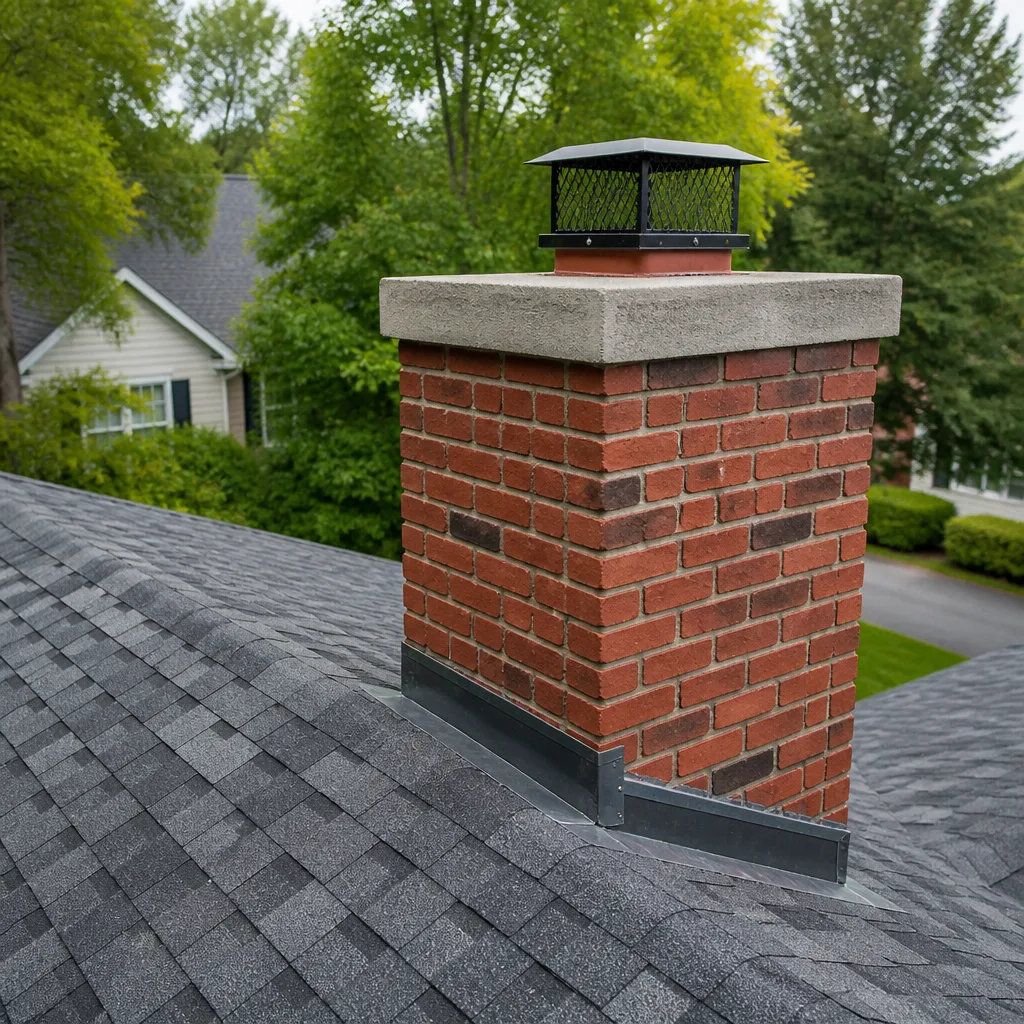
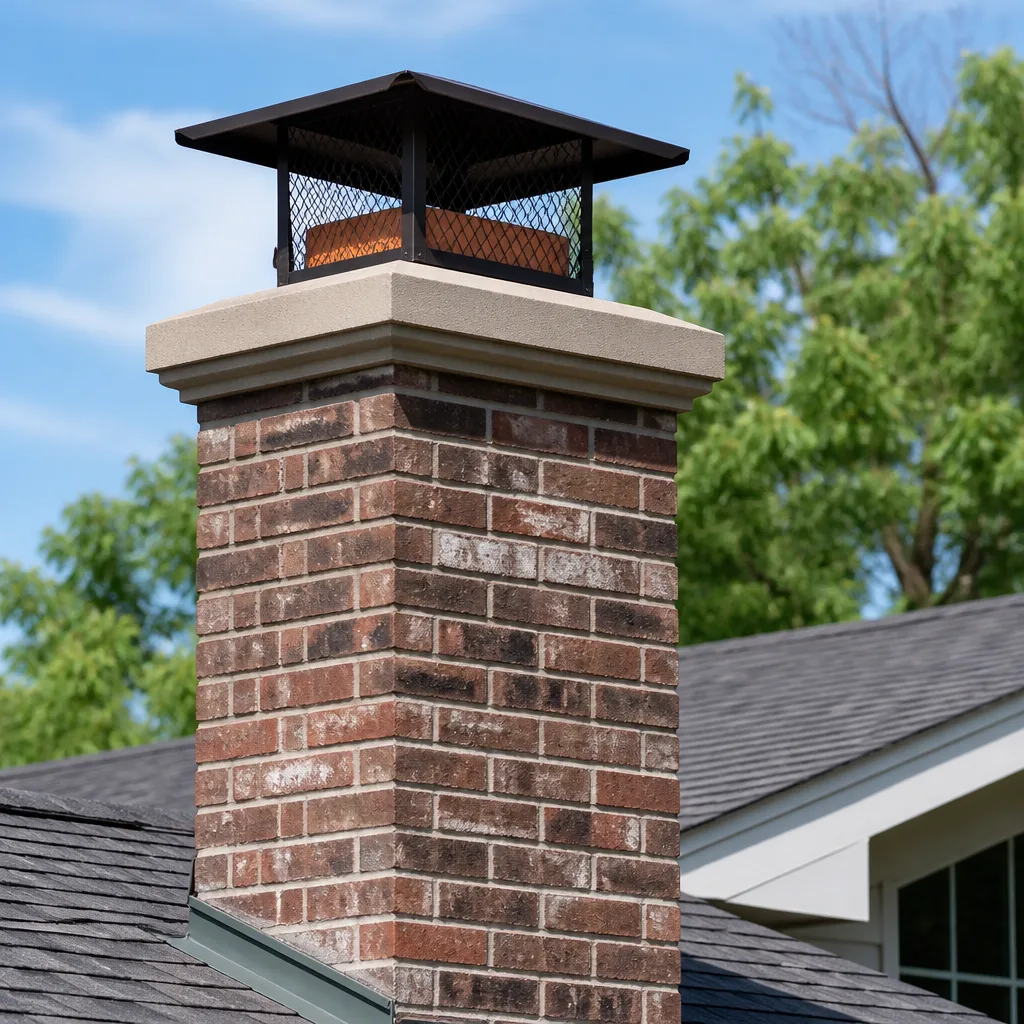 Caps & crowns
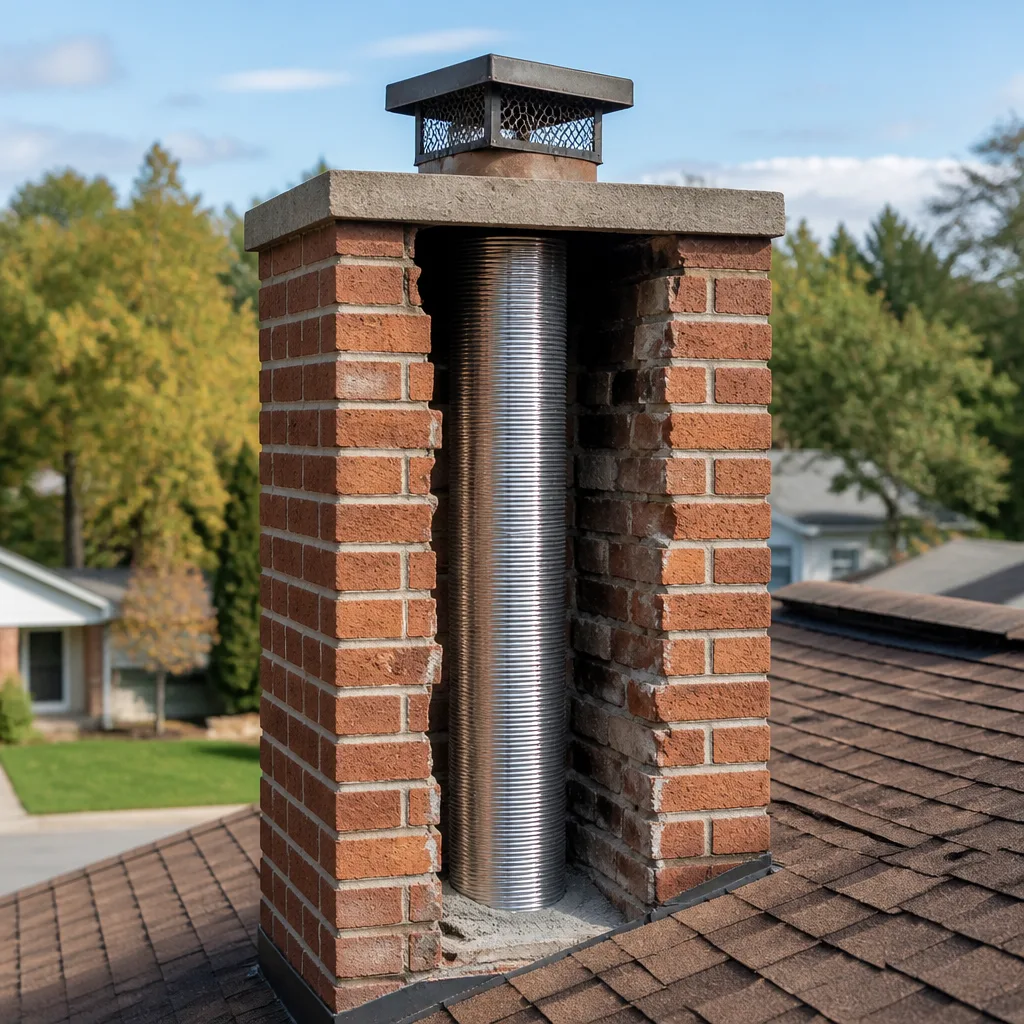 Flue relining
 Masonry repair
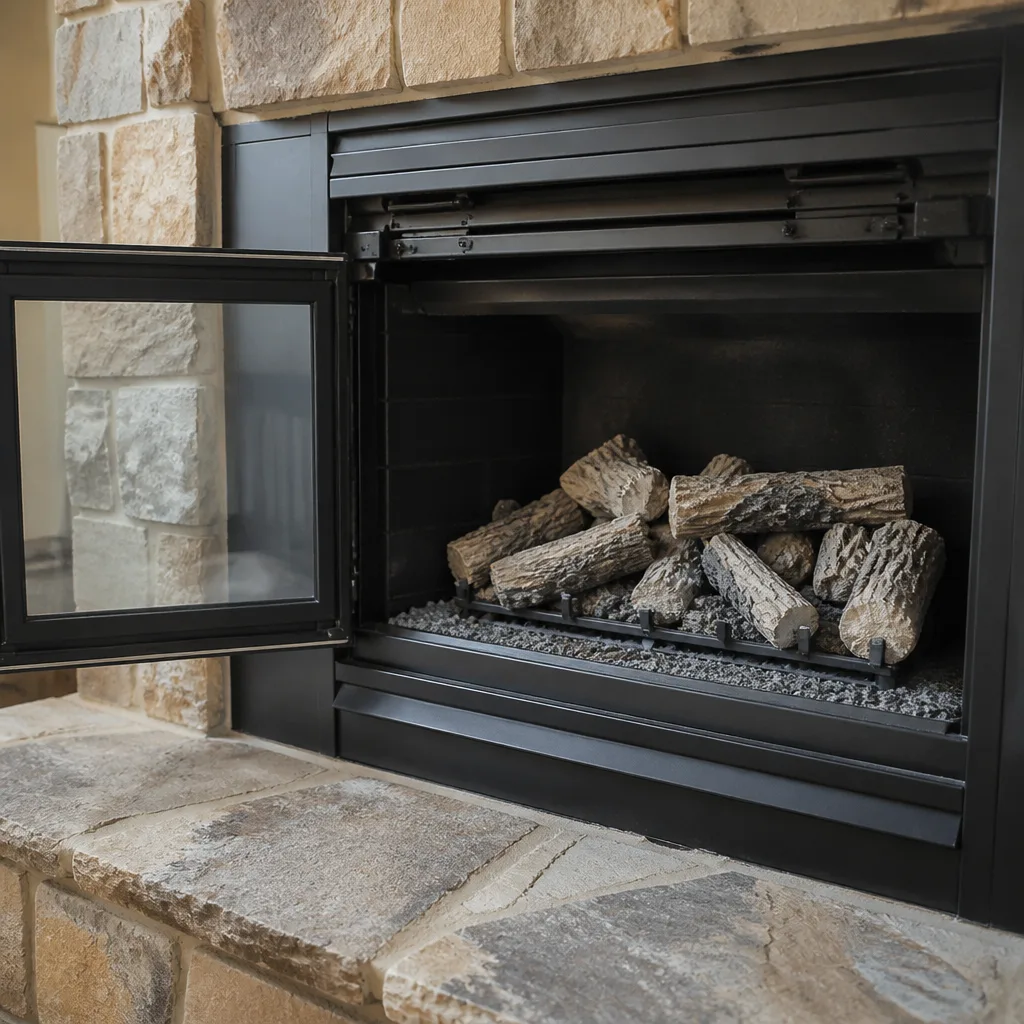 Gas fireplace service
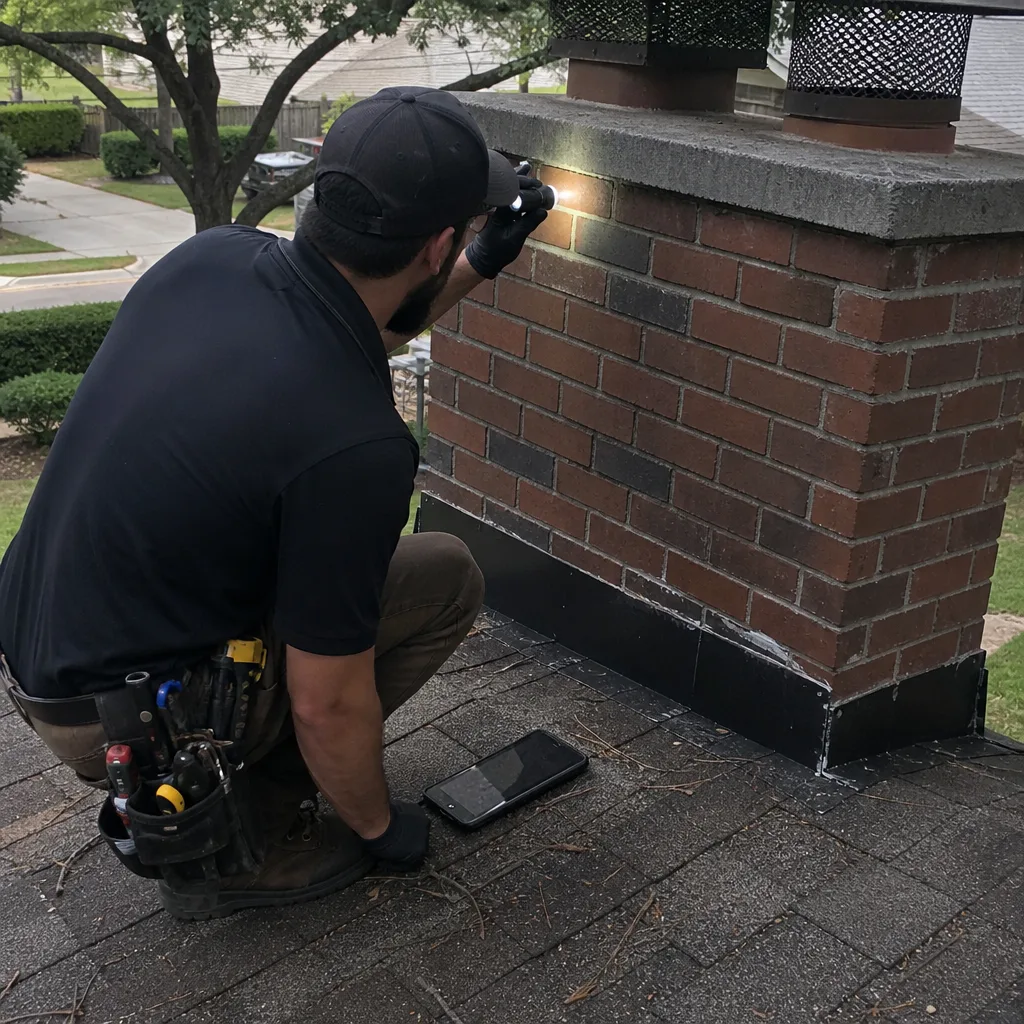
Level 1 sweep and inspection to the NFPA 211 annual standard - flue, crown, cap, and flashing checked and photographed
Chimney sweep logs do not sweep chimneys. They loosen some creosote - which then falls where a brush and vacuum still have to collect it.
Chimney Sweep Troubleshooting in Far North Dallas: Common Problems and How to Fix Them
If your fireplace smokes into the room, the instinct is to call for a sweep. But a dirty flue is only one of several possible causes, and cleaning the wrong problem won’t stop the smoke. A backdraft from negative pressure, a flue that’s too short for the firebox, a cracked crown letting water into the smoke chamber, or a damaged liner can each produce the same symptom: a fire that won’t draw. This guide walks through the diagnostic logic a trained sweep uses to sort one from another, so you understand what you’re dealing with before anyone climbs on your roof. We’ll cover the failures we see most in Far North Dallas, what you can safely check yourself, and when the fix is a repair rather than a cleaning.
Quick Answer
Most chimney problems in Far North Dallas come down to one of five causes: a blocked or dirty flue, negative air pressure inside the house, a flue sized wrong for the firebox, a damaged or deteriorated liner, or water intrusion through a failing cap or crown. A professional inspection with a camera identifies which one you have before any repair is recommended. Cleaning fixes a blocked flue; it does nothing for the other four.
Styles & brands we work with
- Sweep & inspection
- Caps & crowns
- Flue relining
- Masonry repair
- Gas fireplace service
Table of Contents
- The Differential Diagnosis: What’s Actually Causing the Smoke?
- Backdraft vs. Blockage: Telling Them Apart
- Negative Air Pressure in a Tight Far North Dallas House
- How North Texas Weather Creates Specific Chimney Failures
- Cap and Crown Problems That Look Like Draft Problems
- Damaged Liners and When Resurfacing Beats Relining
- What You Can Check Safely vs. What Needs a Camera
- When a Sweep Won’t Solve It
The Differential Diagnosis: What’s Actually Causing the Smoke?
Smoke entering the room is a symptom, not a diagnosis. The same curl of smoke rolling out of the firebox can come from a flue packed with creosote, a house running negative pressure, a flue that’s too short for the chimney’s height above the roofline, or a liner that’s cracked and pulling air from the wrong place. Each requires a different fix. Treat the symptom and you’ll be calling someone back next season with the same complaint.
Here’s the diagnostic tree our technicians work through, in order, when a homeowner reports smoke in the room:
- Is the flue actually clear? A camera run down the flue shows blockages: creosote buildup, a bird nest, a collapsed liner section, or a disconnected appliance connector.
- Is the firebox draft correct at the damper? A smoke test at the damper throat shows whether air is moving up the flue at all or stalling at the opening.
- Is the house under negative pressure? Running a bathroom fan, kitchen exhaust, or the HVAC return can pull harder than the chimney draws, reversing the flow.
- Is the flue sized to the firebox opening? An oversized flue cools the smoke before it exits, and cool smoke stalls. An undersized flue chokes a large firebox.
- Is the liner intact? A cracked or spalling liner lets air in above the fire, disturbing the draft column.
- Is water getting in? A failed crown or cap lets moisture soak the masonry, and damp flue walls draw poorly.
In Far North Dallas, we see this sequence play out most often in homes built during the 1980s and 1990s, where a prefab firebox was paired with a flue that was sized for the appliance rather than for the room. Those homes are also the ones most likely to have added a high-CFM kitchen exhaust during a remodel, which changes the pressure balance inside the house without anyone realizing it. If you’ve recently remodeled a kitchen or added a vented dryer, that’s worth mentioning when you book. Our technicians have up to 15 years of experience reading these patterns, and a proper inspection starts with the questions a sweep asks before the ladder comes off the truck. If you’d like a full system assessment, start with a chimney sweep and inspection and we’ll tell you what we find.
Backdraft vs. Blockage: Telling Them Apart
Backdraft and blockage both push smoke into the room, but they behave differently, and the difference matters for what you do next. A blocked flue smokes every time you light a fire, regardless of what else is running in the house. A backdraft is intermittent: it shows up when an exhaust fan is on, when the house is sealed up tight on a still day, or when the outdoor temperature and indoor temperature are close enough that the flue doesn’t have a strong enough temperature differential to pull.
Here’s how to tell which one you have, using only what you can observe from the room:
- Blocked flue: Smoke rolls out immediately on every fire, even with windows cracked. You may also smell a strong creosote odor year-round, and the fire may be hard to keep lit.
- Backdraft: Smoke appears only under certain conditions, often when the kitchen exhaust or bathroom fan runs. It may clear up when you open a window near the fireplace. You may feel cold air coming down the flue on a mild day when no fire is burning.
- Flue sizing mismatch: The fire lights fine but smokes as it grows, especially when the fire is large. A small fire draws fine; a big one spills.
If opening a window near the fireplace fixes the smoke, you’re dealing with a pressure or drafting problem, not a blockage, and a sweep alone won’t solve it. If smoke comes out no matter what, treat it as a blockage until a camera says otherwise. That distinction is the single most useful thing we can teach a Far North Dallas homeowner, because it saves you from paying for a cleaning that was never going to fix the smoke. In our experience, roughly half the “my chimney needs sweeping” calls we get in Far North Dallas turn out to be a drafting or pressure issue instead.
Negative Air Pressure in a Tight Far North Dallas House
Modern Far North Dallas homes are sealed tighter than the homes they replaced. Weatherstripping, spray foam in the attic, and high-efficiency windows all reduce the natural air leakage that older houses allowed. That’s good for your utility bill and bad for your chimney, because a chimney needs makeup air to replace the air it sends up the flue. When the house can’t supply that air, the chimney stops drawing and starts pulling smoke back into the room.
The usual culprits in Far North Dallas are the same appliances that move a lot of air:
- Kitchen range hoods, especially high-CFM models installed during a kitchen remodel
- Bathroom exhaust fans left running while a fire is lit
- Clothes dryers venting indoors or in a tight utility room
- HVAC systems with a strong return and a sealed duct system
- Whole-house attic fans, which can pull a serious volume of air and reverse a flue instantly
The fix isn’t always mechanical. Sometimes the answer is as simple as cracking a window on the windward side of the house when you light a fire, or turning off the range hood before you light up. But when the problem is chronic, an outside air kit or a properly sized makeup air solution may be the right answer, and that’s a repair decision to make after an inspection. A sweep who only cleans and leaves won’t diagnose this for you, which is one reason we treat inspection as a standalone service rather than an upsell attached to a cleaning. A proper Chimney Sweep Far North Dallas visit includes a conversation about how the house is ventilated, because the chimney doesn’t work in isolation from the house around it.
One more local note: Far North Dallas sits in a part of the metroplex where new construction and older housing stock sit close together, and the pressure problems show up differently in each. In a 1970s ranch with original windows, you’re more likely to have a blockage. In a 2000s build with tight envelopes, you’re more likely to have a pressure issue. Knowing which kind of house you have tells a sweep where to start looking.
How North Texas Weather Creates Specific Chimney Failures
North Texas doesn’t have the long, cold winters that drive chimney failure in northern states, and that changes the failure modes you’ll actually see in Far North Dallas. We don’t fight frost heave or prolonged snow loads. We fight wind, summer heat, and the sudden swings between a warm afternoon and a cold night, which stress masonry and metal in ways a homeowner can’t easily see.
Three climate patterns matter most here:
- High wind corridors. The flat terrain of North Texas funnels wind across the metroplex, and those winds hit chimney caps, crowns, and top courses of masonry directly. Cap fasteners loosen, crowns crack, and spark arrestor screens get mashed flat. A cap that’s been battered through several spring storm seasons may look fine from the ground but let water straight into the flue.
- Summer heat on masonry. Months of intense sun dry out masonry, and the expansion and contraction that comes with hot days and cool nights opens hairline cracks in mortar joints and crowns. Those cracks are small at first and rarely visible from the ground, but they’re the entry point for the water that causes most of the liner and smoke chamber damage we see.
- Mild, short burning seasons. Because Far North Dallas homeowners burn less frequently than northern homeowners, it’s easy to skip a year of sweeping and not notice. But a short burning season also means creosote sits in the flue for months between fires, and slow-burning, low-temperature fires produce the glazed creosote that’s hardest to remove.
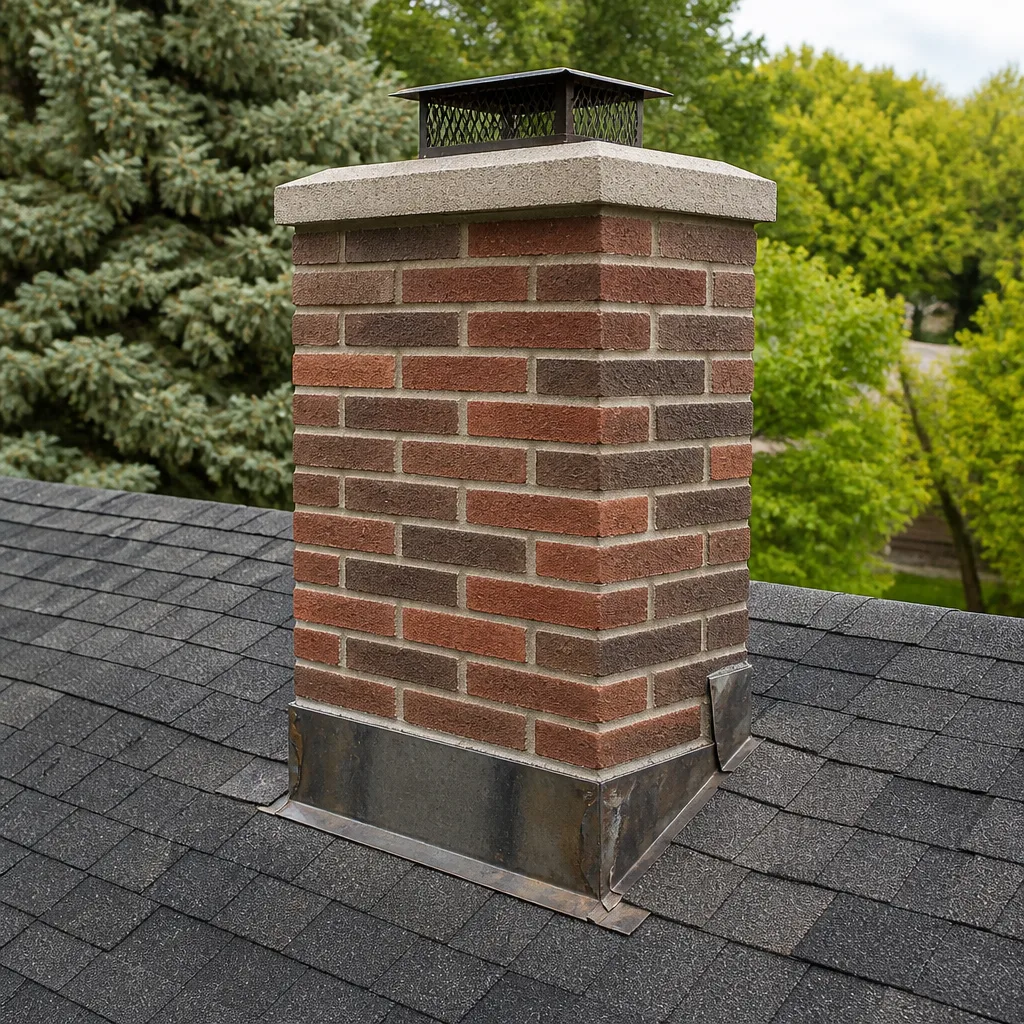
Those daily temperature swings are the closest our climate gets to a freeze-thaw cycle, and they’re hard on crown masonry. When we install or rebuild a crown, we use purpose-engineered components from Gelco and Famco rather than improvised mortar, because the crown is the first line of defense against the water that causes most of the damage downstream. If your crown is more than a decade old and has never been checked, that’s a reasonable place to start. Our chimney cap & crown service covers exactly this, and it’s a far cheaper fix than waiting for the water damage to reach the smoke chamber.
Cap and Crown Problems That Look Like Draft Problems
A damaged cap or a cracked crown can mimic a draft problem, and homeowners often pay for a sweep before anyone looks up top. It’s a common misdiagnosis in Far North Dallas, and it’s worth understanding why. A chimney cap that’s been pushed down by a limb, a bird, or a storm can change the airflow at the top of the flue. A crown with a visible crack lets water into the masonry, and a wet flue draws sluggishly. The homeowner notices smoke, assumes a dirty flue, and books a cleaning. The cleaning gets done, the smoke doesn’t stop, and the actual cause – a cap or crown – is sitting on the roof the whole time.
Here’s what to look at, and what each finding tells you:
- Cap mesh crushed or missing: Likely animal or debris entry. Smoke can still draw, but you’ll get blockages and odors between burns.
- Cap tilted or loose fasteners: Wind damage. The cap may be directing smoke back down the flue instead of letting it vent freely.
- Visible crack across the crown: Water intrusion. Expect damp flue walls, spalling masonry, and a fireplace that struggles to draw.
- Crown flaking or crumbling at the edges: The crown has lost its waterproofing and needs resurfacing or replacement.
- No cap at all: Open flue top. Rain, birds, and debris go straight down, and the flue is unprotected from wind-driven rain.
We install caps built for the job, using Famco and Olympia Chimney components, rather than stainless hardware-store covers that loosen within a season or two. A proper cap does two things at once: it keeps water and animals out, and it changes the airflow at the top of the flue in a way that stabilizes the draft. When we replace a cap, we check the crown at the same time, because the two fail together more often than not. If you’ve had a sweep and the smoke problem didn’t go away, ask for the cap and crown to be inspected specifically. That’s the step that gets skipped.
Damaged Liners and When Resurfacing Beats Relining
A cracked or deteriorated flue liner is one of the more serious findings in a chimney inspection, and it’s a real safety concern, not a cosmetic one. The liner is what keeps the heat of the fire and the products of combustion inside the flue and away from the surrounding framing and masonry. When it cracks, you get smoke leakage, poor draft, and a genuine fire and carbon monoxide risk. A liner problem should never be left sitting, and it should never be diagnosed from the ground.
What a camera inspection will show, and what it means:
- Hairline cracks: Often repairable with resurfacing. Not a reason for full relining in most cases.
- Spalling or flaking liner surface: The liner is deteriorating. Resurfacing is worth evaluating before demolition.
- Gaps at joints or a disconnected section: The liner has failed structurally. Relining is usually the right call.
- No liner at all in an older chimney: Full relining, no question.
This is where HeatShield ceramic resurfacing earns its place in the toolkit. HeatShield is a specialist-only product that restores a deteriorated liner from the inside, without tearing out the chimney. On a liner that’s cracked or spalling but still structurally sound, resurfacing can bring it back to a serviceable condition at a fraction of the disruption of a full reline. When the liner is beyond saving, DuraFlex liner systems let us reline for gas, oil, and wood-burning appliances, so the solution matches the fuel type rather than forcing a generic fix. In our experience, homeowners in Far North Dallas are relieved to learn how often a liner problem can be repaired without demolition. The key is an honest inspection, a camera report you can see, and a recommendation that goes no further than the evidence supports. If you’re hearing “you need a new liner” from someone who hasn’t shown you a camera image, get a second opinion. We include the camera inspection and a photo report so you can see for yourself what we’re recommending, and we’ll tell you plainly when a repair can safely wait.
What You Can Check Safely vs. What Needs a Camera
Some chimney troubleshooting is safe for a homeowner. Some isn’t, and it’s worth being specific about where the line is. The general rule: anything you can see from the room or the ground is fair game. Anything that requires getting on the roof, opening the firebox beyond the damper, or reaching into the flue is a job for a trained professional with a camera.
Safe to check yourself:
- Damper operation. Open and close it. It should move freely and fully. A damper stuck partly closed is a common cause of smoke roll-out.
- Firebox condition from the room. Look for cracked firebrick, missing mortar joints, or gaps between the firebox and the surround.
- Visible smoke behavior. Light a small fire and watch where the smoke goes. Note which appliances are running when it happens.
- Odor. A strong creosote smell when the fireplace is off is worth noting for the inspection.
- Ground-level view of the cap and crown. From a distance with binoculars, note obvious damage, a missing cap, or a visibly cracked crown. Report it to your sweep.
Needs a professional with a camera or roof access:
- Flue condition above the damper, including creosote levels and liner integrity
- Smoke chamber and damper frame condition
- Cap and crown close-up inspection and any repair
- Anything involving masonry, liner work, or the roof at all
If you notice a smell of gas, a persistent draft coming down the flue when no fire is lit, or smoke that won’t clear after opening a window, stop lighting fires and call us. Those are signs that need a professional’s eyes before the fireplace is used again. Our technicians work on the whole chimney system – not just the flue – and the inspection tells us which part needs attention. A fireplace repair visit often starts with exactly this kind of walkthrough, and it’s the right first step when the symptom doesn’t match a simple cleaning.
When a Sweep Won’t Solve It
A sweep is the right answer when the flue is dirty or blocked. It’s the wrong answer when the problem is anywhere else, and understanding the difference is what separates a real diagnosis from a wasted visit. If you’ve had the flue cleaned and the smoke, odor, or draft problem persists, the cause is structural, not accumulative, and no amount of brushing will fix it.
Here’s how to know when you’ve crossed from “needs a sweep” into “needs a repair”:
- The smoke continues after a cleaning. The flue is clear, so the problem is pressure, sizing, cap, crown, or liner.
- You see water stains or efflorescence on the exterior masonry. That’s a crown or cap failure letting water in.
- The smoke chamber looks damaged above the damper. That’s a repair, not a cleaning.
- The liner is cracked or spalling in the camera image. Resurfacing or relining is the fix.
- The firebox has cracked firebrick or missing mortar. Fireplace repair is required before the fire is used.
- The smell is present even when the fireplace is off. That points to a drafting or liner problem, not a creosote load.
One call covers all of it here. Sweeping, inspection, cap and crown work, liner repair, and fireplace repair are all under one roof, which means you don’t have to call a second contractor when the sweep finds something structural. That’s the practical advantage of working with a full-system chimney specialist instead of a sweep-only service. When our inspection finds a problem, the person who found it can also fix it, and the materials used – HeatShield, DuraFlex, Gelco, Famco, Olympia Chimney, Copperfield – are the same professional-grade products used across the trade.
Common Mistakes to Avoid
- Sweeping before diagnosing. A cleaning is the wrong first step if the smoke is coming from a pressure or crown problem. Identify the cause first, then decide whether a sweep is even part of the fix.
- Ignoring a cracked crown because it’s “small.” Hairline crown cracks grow, and they let water into the masonry every time it rains. North Texas sun and storm cycles widen them faster than most homeowners expect.
- Burning green or unseasoned wood to “test” the fireplace. Wet wood produces cool, smoky fires that don’t draft well and load the flue with creosote. Use dry, seasoned wood, and only after the system has been inspected.
- Assuming an open window is a fix. Cracking a window can manage a backdraft temporarily, but it doesn’t correct the underlying pressure imbalance. Treat it as a stopgap, not a solution.
- Skipping the cap because the chimney “looks fine.” From the ground, a battered cap and a good cap look nearly identical. A missing or damaged cap is one of the most common causes of blockages and water damage we find in Far North Dallas.
- Hiring a sweep who doesn’t inspect. A sweep-only visit may clean a flue that’s already clean and leave a liner problem untouched. Ask for a camera inspection, and ask to see the images.
- Letting a liner problem wait through the season. A cracked liner is a safety issue, not a maintenance item. If a camera inspection shows liner damage, get a plan in place before you light another fire.
See the difference
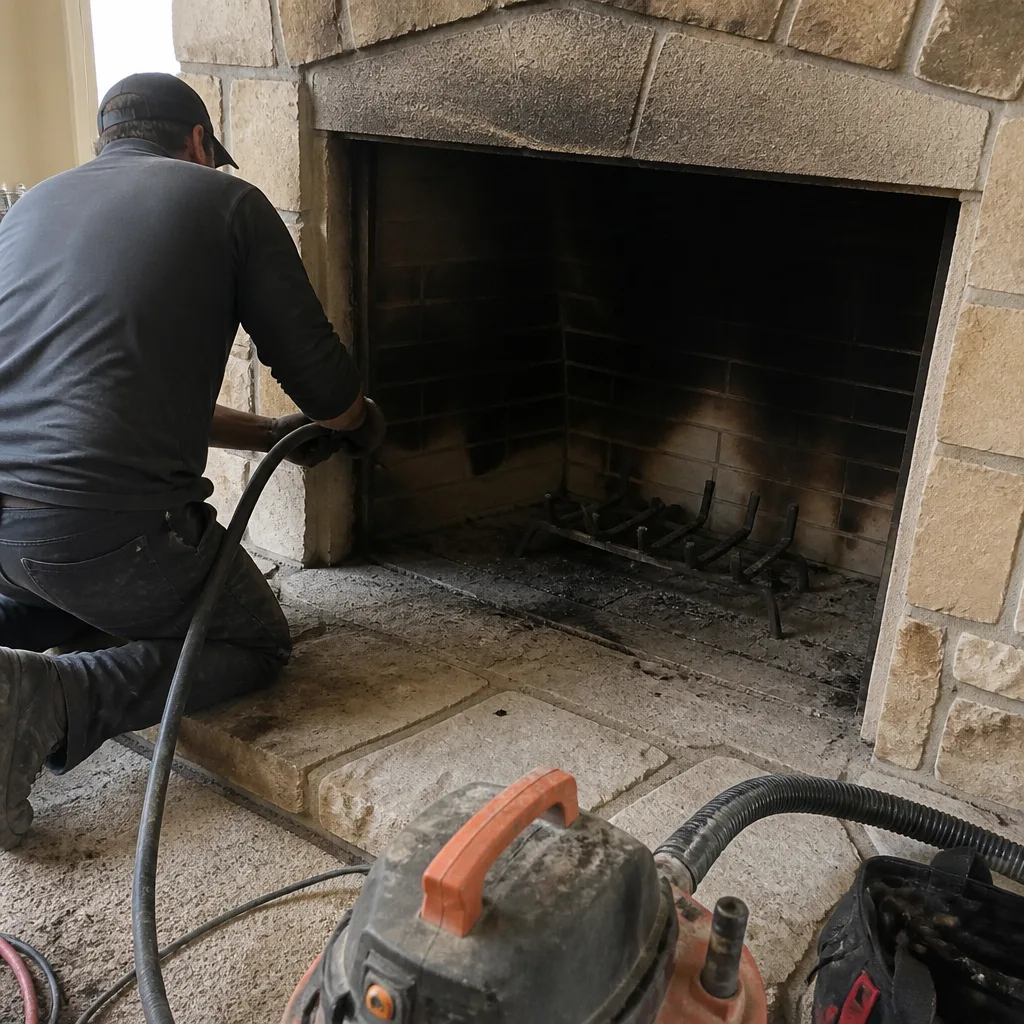 Before
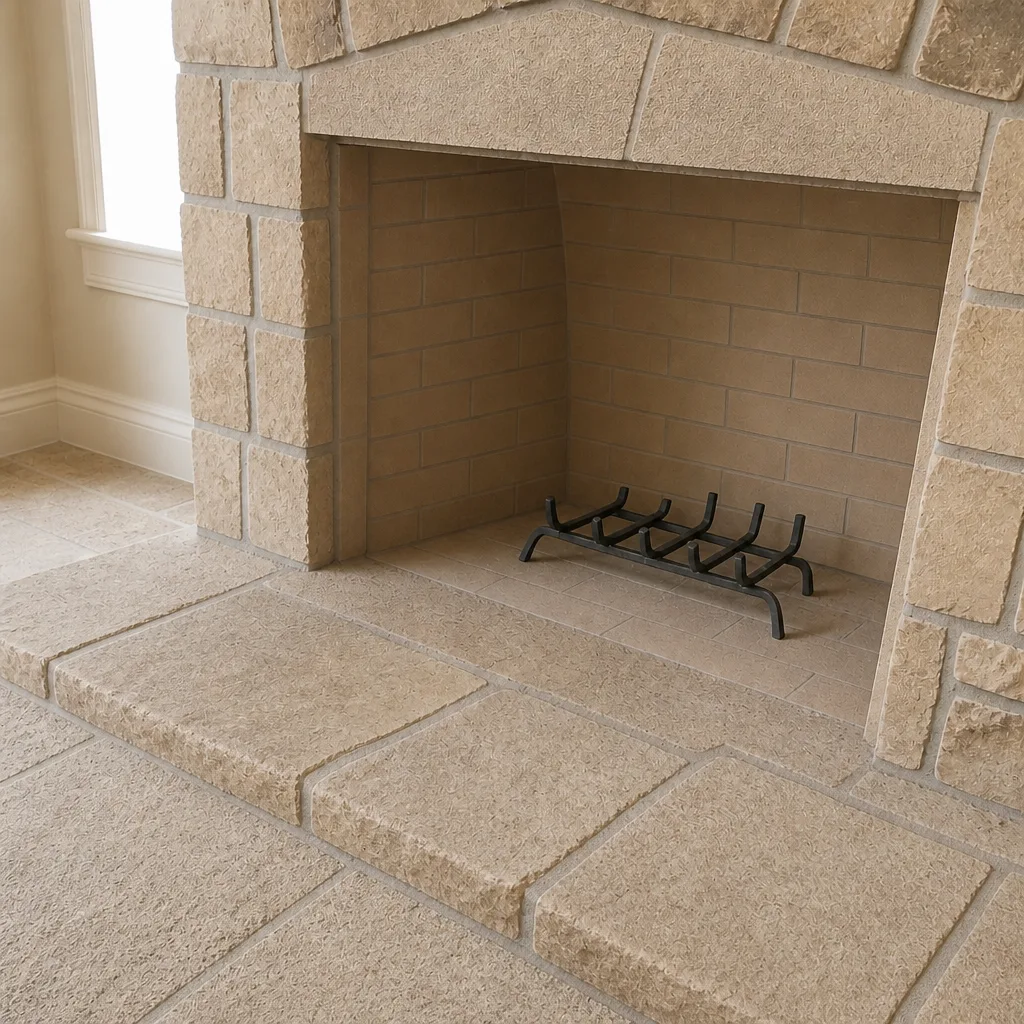 After
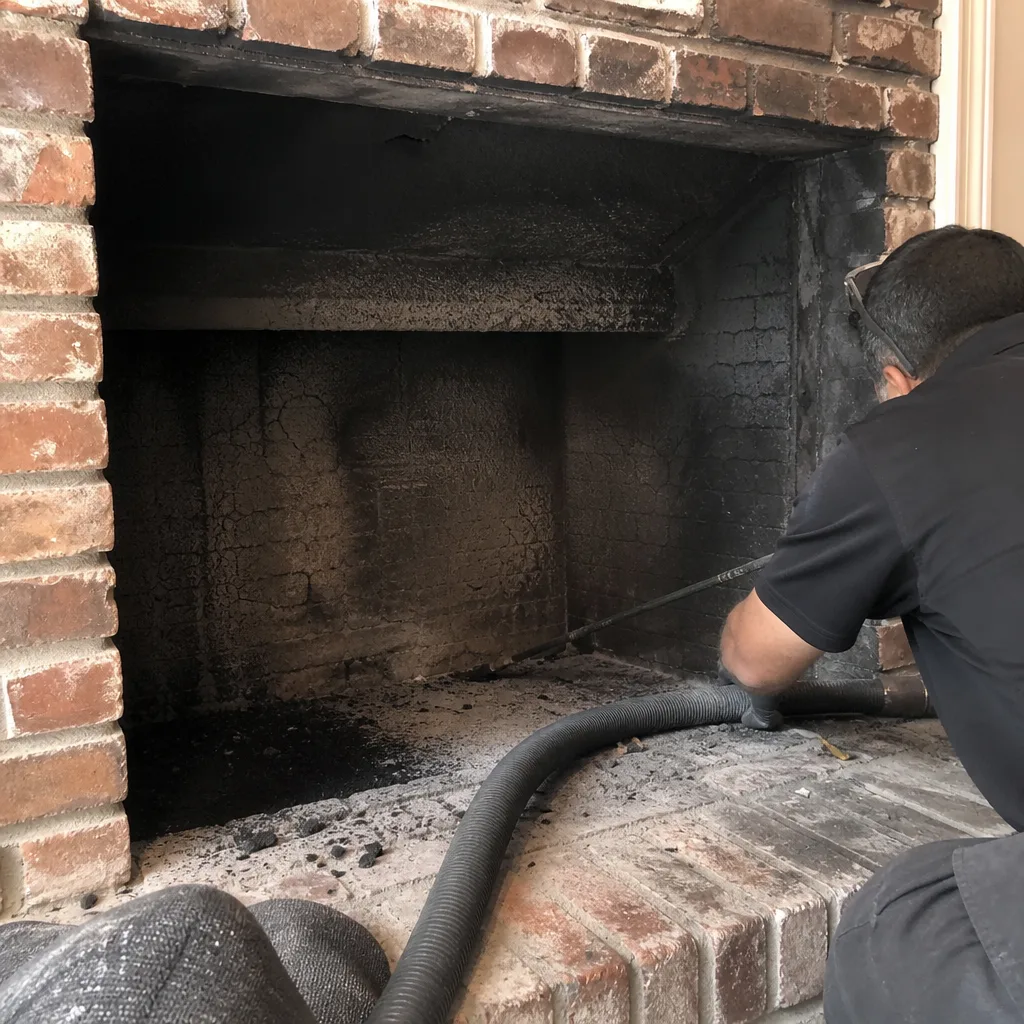 Before
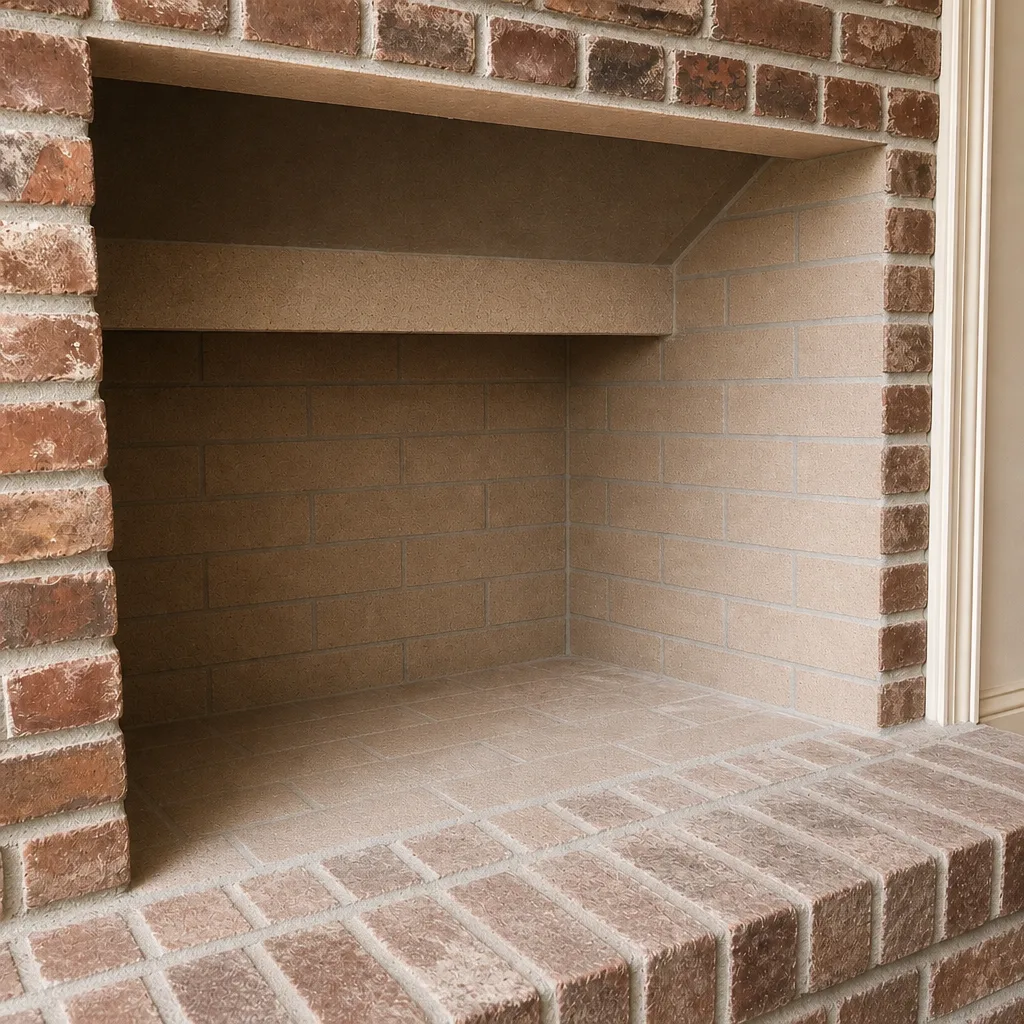 After
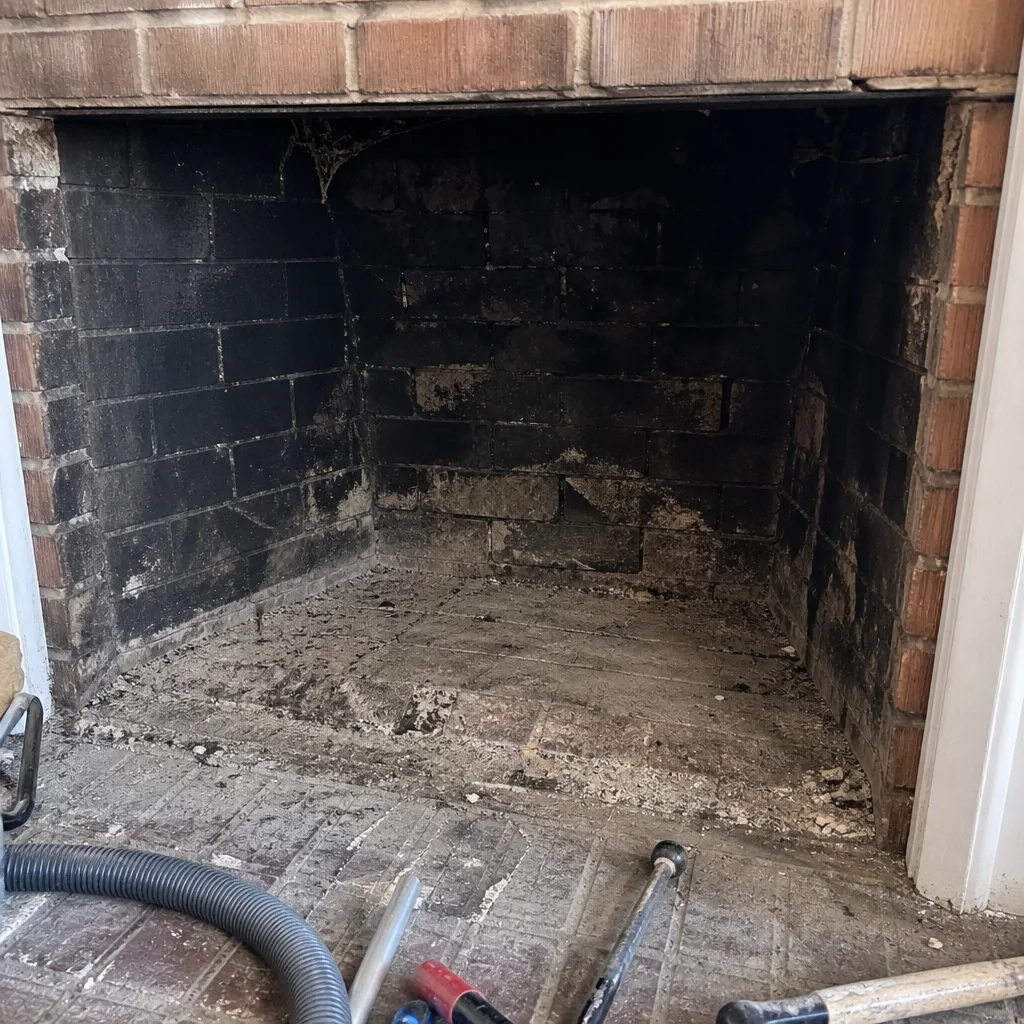 Before
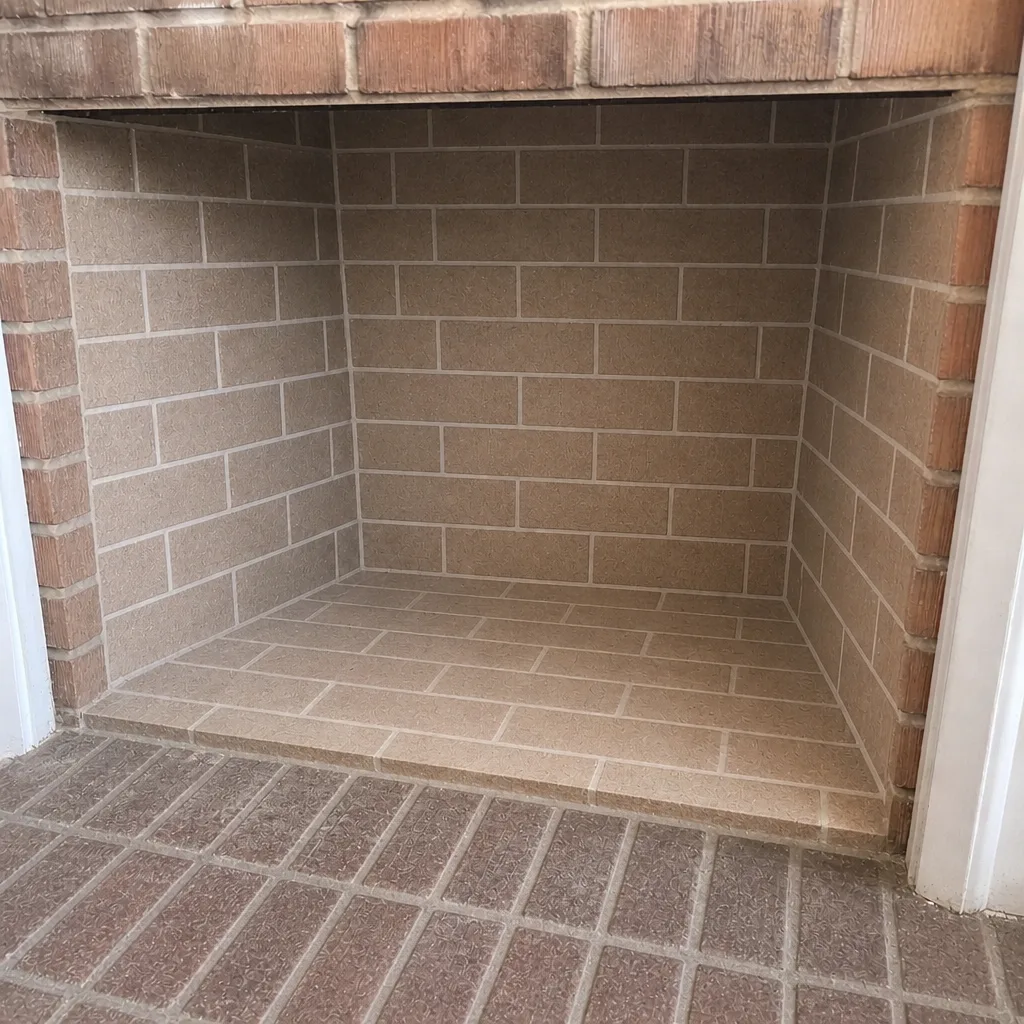 After
When to Call a Professional
Call a professional if smoke enters the room and doesn’t clear when you open a window, if you smell gas or a strong creosote odor when the fireplace is off, if you see water stains or efflorescence on the masonry, if the crown or cap is visibly damaged, or if it’s been more than a year since the chimney was inspected. Call immediately if you find cracked firebrick, a damaged liner, or any sign of a chimney fire. Don’t light a fire until the system has been inspected. With mild North Texas winters, it’s easy to let a year slide, and the deferred inspection is where most of the expensive damage starts. Chimney Sweep Far North Dallas offers free estimates in Far North Dallas – call (866) 937-8051. We answer 24/7, with fast dispatch from 7am to 7pm, Sunday through Friday.
Frequently Asked Questions
The most common causes are a blocked flue, negative air pressure inside the house, a flue sized wrong for the firebox, or a damaged liner. The first test is simple: open a window near the fireplace. If the smoke clears, you likely have a pressure problem, not a blockage. If it doesn’t, treat it as a blockage until a camera inspection says otherwise. Call (866) 937-8051 for a diagnosis – estimates are free.
We quote every job by written estimate, based on the flue, the fuel type, and the condition we find during inspection. Pricing depends on whether the visit is a cleaning only, an inspection, or a repair, and the estimate is set before any work begins. Call (866) 937-8051 for an exact quote – estimates are free.
Once a year is the standard recommendation for a fireplace in regular use, and an inspection should happen annually regardless of how often you burn. In Far North Dallas, the mild winters mean homeowners often skip a season without noticing, and that skipped season is when creosote accumulates and small crown cracks turn into water damage. When it’s been more than a year, book a sweep and inspection together – call (866) 937-8051.
Not always. A camera inspection tells us whether the liner is cracked, spalling, or structurally failed. Hairline cracks and surface deterioration can often be repaired with HeatShield ceramic resurfacing rather than a full reline. If the liner is beyond saving, a DuraFlex liner system handles gas, oil, and wood-burning appliances. We won’t recommend relining without showing you the camera images first – call (866) 937-8051.
Creosote accumulates in the flue, and a glazed creosote load is a real chimney fire risk. A small crown crack lets water into the masonry, and that water reaches the smoke chamber and liner over time. A liner crack lets combustion products into the framing and living space, which is a carbon monoxide concern. None of these are visible from the ground. Skipping the inspection doesn’t save money; it moves the cost to a larger repair later. Call (866) 937-8051 to book an inspection.
A persistent creosote smell when the fireplace is off usually means the flue is drawing air down instead of up, or that there’s a creosote load in the flue and the house is pulling that smell back inside. A pressure imbalance, a damaged cap, or a liner problem can all cause it. The smell is the symptom; the camera inspection finds the cause. Call (866) 937-8051 for an assessment.
The Bottom Line
Smoke in the room is a symptom, and a sweep is only one of several possible fixes. The single most useful thing to know before you call anyone is whether the problem is a blockage or a drafting issue – open a window near the fireplace and watch what the smoke does. If it clears, expect a pressure, cap, crown, or liner diagnosis rather than a cleaning. If it doesn’t, treat it as a blockage until a camera says otherwise. In Far North Dallas, the failures we see most are wind-damaged caps, cracked crowns from summer heat and temperature swings, and liners that have been sitting too long between inspections. A proper inspection shows you what’s happening before any work is recommended, and the repair is scoped to the evidence. When the fix is structural, HeatShield resurfacing and DuraFlex liners mean the chimney can often be restored without demolition. Call (866) 937-8051 for a free estimate. We answer 24/7, with fast dispatch from 7am to 7pm, Sunday through Friday.
Written by the team at Chimney Sweep Far North Dallas.