
Last updated November 25, 2026
 Sweep & inspection
 Caps & crowns
 Flue relining
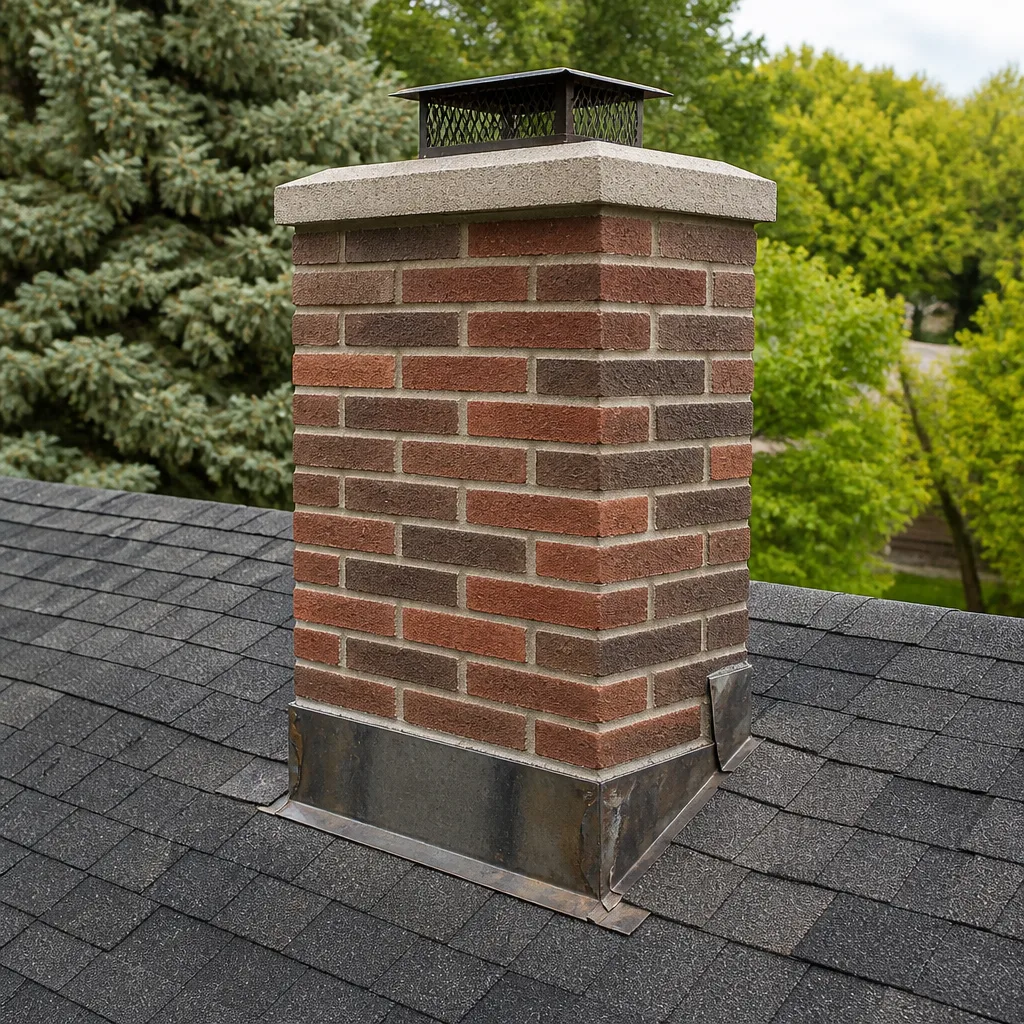 Masonry repair
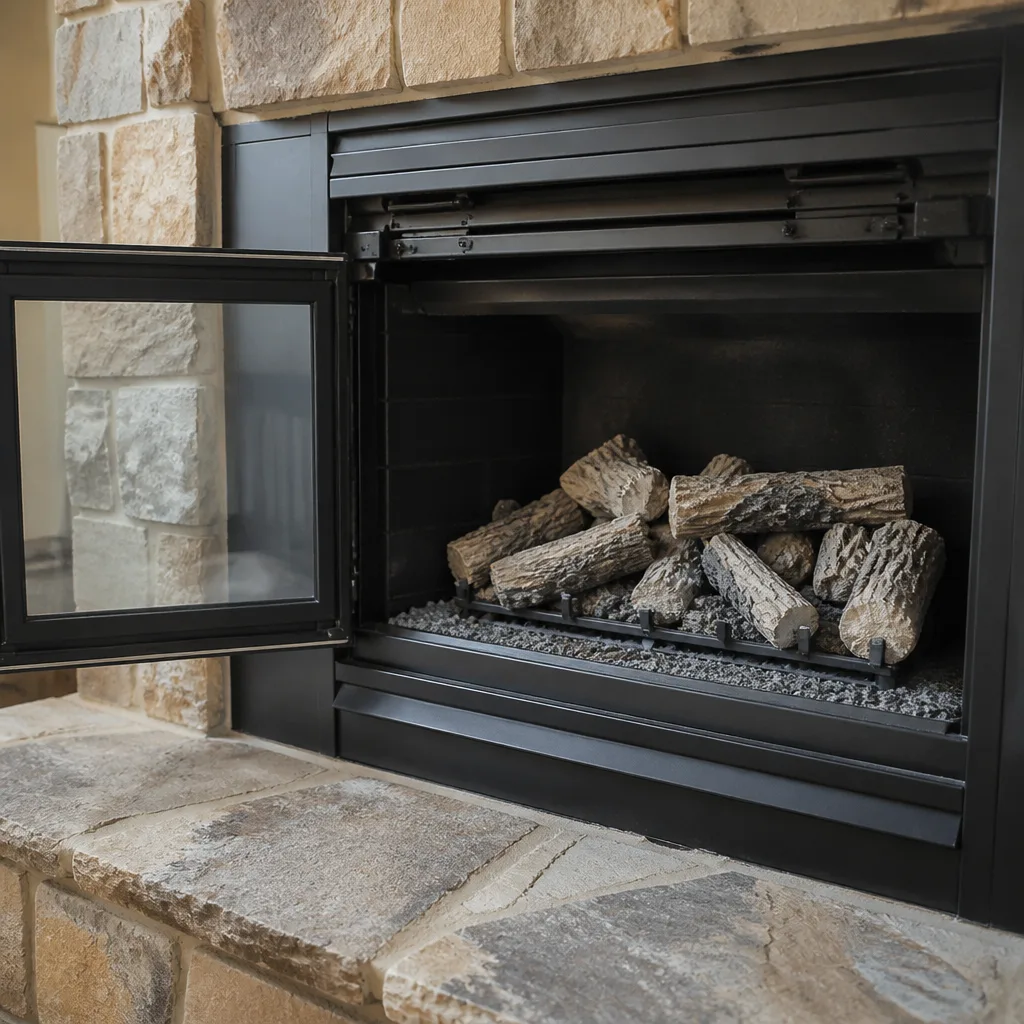 Gas fireplace service
Level 1 sweep and inspection to the NFPA 211 annual standard - flue, crown, cap, and flashing checked and photographed
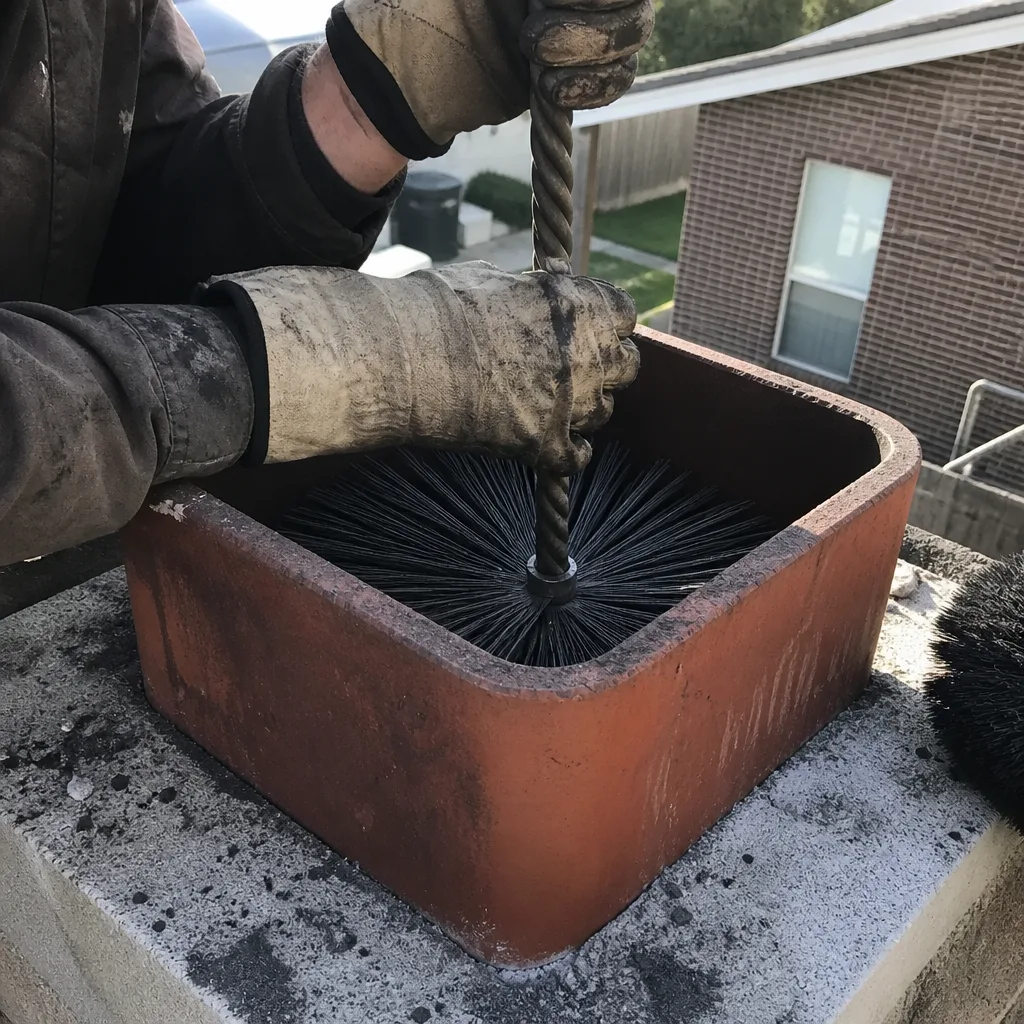
Chimney sweep logs do not sweep chimneys. They loosen some creosote - which then falls where a brush and vacuum still have to collect it.
Choosing the Right Chimney Cleaning Brand: A Buyer’s Guide for Far North Dallas
Two chimney companies can quote the same crown repair and the invoices will look identical. One uses a brush-on crown coating rated for well over a decade; the other uses a tube of general-purpose caulk from a hardware store shelf. The paperwork won’t tell you which is which, and neither will a five-star review. What separates them is the material list, and most homeowners never think to ask for it. In this guide we walk through the products that actually matter in a chimney job – caps, crown coatings, liner systems, creosote treatments – and show you how to read a contractor’s answers so you can tell a specialist from a sweep-and-leave operation. Far North Dallas homeowners especially, with our hail and wide temperature swings, have good reason to care.
Quick Answer
The right chimney cleaning company in Far North Dallas isn’t the one with the biggest ad – it’s the one using professional-grade materials from recognized suppliers like DuraFlex, HeatShield, Gelco, Olympia Chimney, Famco, and Copperfield, and who can name those products when you ask. Ask three questions before you book: what brushes and rods do you use, what cap and crown products do you install, and what liner system would you recommend for my flue. The answers tell you more about workmanship than any review score.
Styles & brands we work with
- Sweep & inspection
- Caps & crowns
- Flue relining
- Masonry repair
- Gas fireplace service
Table of Contents
- Why Materials Matter More Than the Company Name
- Cap Brands That Hold Up in Far North Dallas Weather
- Crown and Mortar Repair: What CrownCoat and MasonrySaver Actually Are
- Liner Systems: Flexible Stainless vs. Cast-in-Place
- Creosote Treatments: Supplement or Substitute?
- Chimney Sweep Far North Dallas: The Three Questions to Ask Before Booking
- What a Professional Sweep Actually Uses
- Why One Company for the Whole System Saves You Headaches
Why Materials Matter More Than the Company Name
Chimney work is materials work. A sweep can be perfectly executed and still leave you with a chimney that fails in three years if the cap is galvanized sheet metal that dents under hail, or the crown is patched with a product never intended to sit on top of a masonry chimney in the Texas sun. The labor is invisible after the technician leaves. The materials stay on your roofline for the next fifteen or twenty years, quietly doing their job or quietly failing.
This is why the brand question is worth asking in Far North Dallas. The housing stock here runs from 1970s ranch homes to newer construction, and the chimneys vary widely – masonry fireplaces with clay tile liners in the older homes, prefabricated metal fireplaces in some of the newer builds. A company that only stocks one type of cap or one style of liner kit will install whatever fits, not necessarily what’s right. A company that works with a range of product lines – DuraFlex flexible liners, HeatShield ceramic resurfacing, Gelco and Famco caps, Olympia Chimney components, Copperfield accessories – can match the material to the chimney instead of the other way around.
We’ve seen this play out on inspection calls where the previous “repair” was a bead of caulk around a cap flange and a crown painted with deck sealer. The chimney looked fine from the ground. Up close, water had been getting into the masonry for years. The homeowner had paid for a repair; they got a delay.
- Labor is a one-time cost. Materials are a permanent one. A cheaper product doesn’t save money if it fails in three years.
- Climate punishes shortcuts faster here. Far North Dallas gets hail, hot summers, and enough winter cold snaps to stress masonry and metal.
- Product knowledge is hard to fake. A contractor who can explain the difference between CrownCoat and generic masonry sealant has actually used both.
- The invoice won’t tell you. Ask before the work starts, not after.
An inspection first, then an honest recommendation – that’s the sequence that protects you. Repair only what needs it, with materials suited to the job. For a broader look at what a routine visit involves, see our chimney sweep overview.
Cap Brands That Hold Up in Far North Dallas Weather
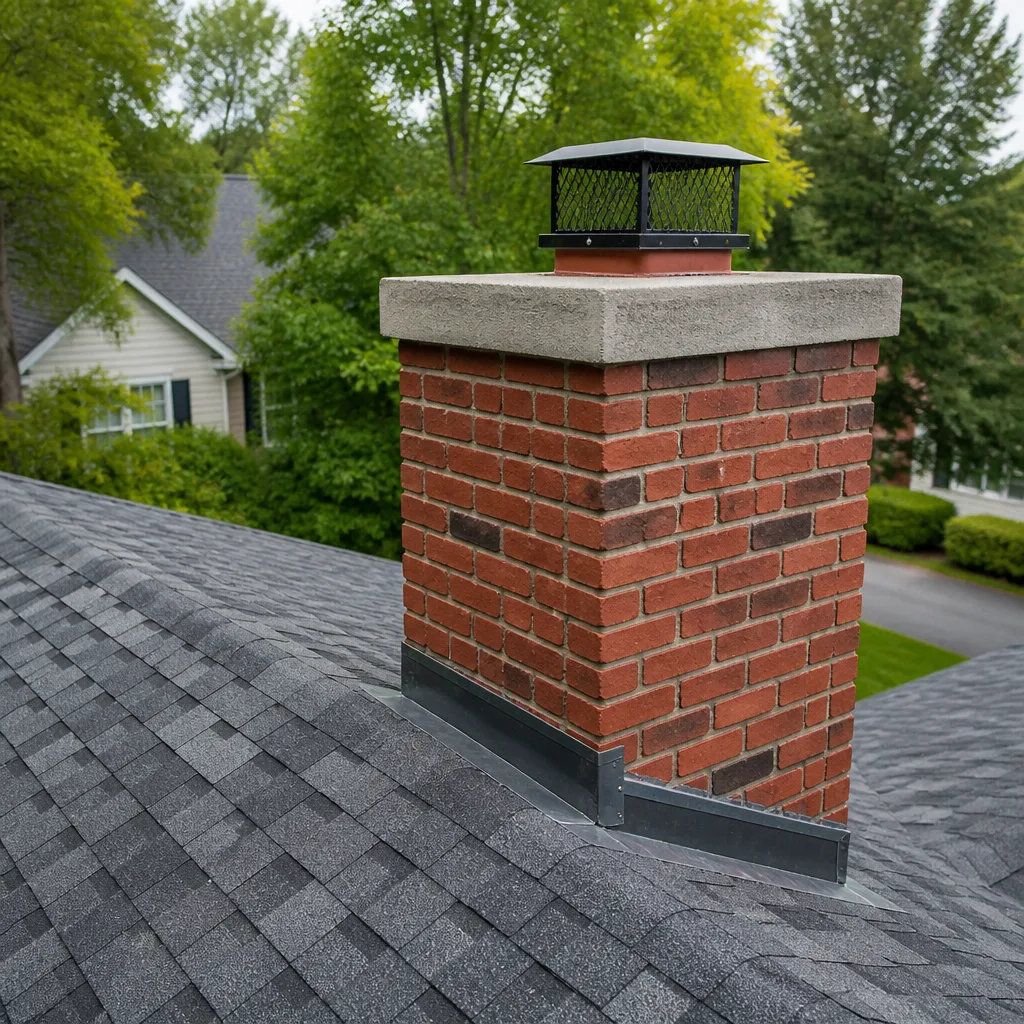
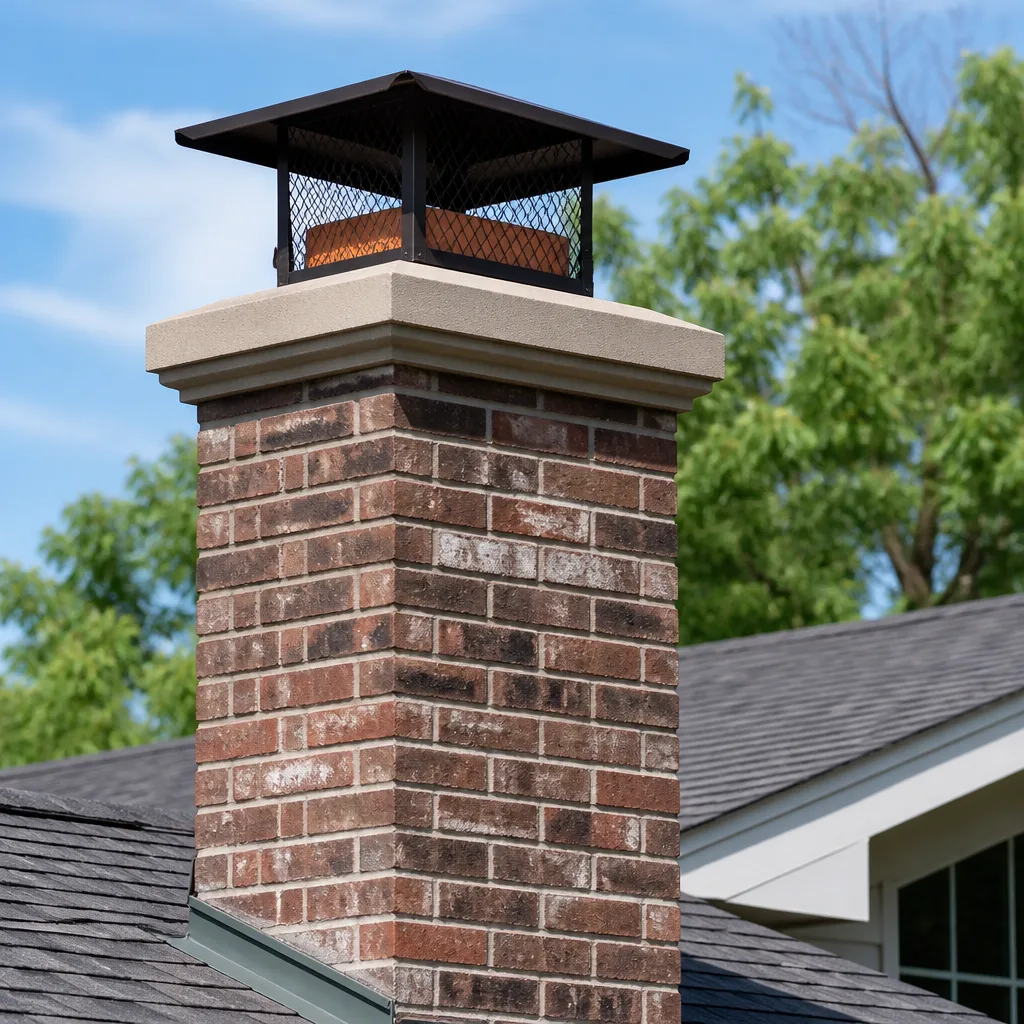
The chimney cap is the single most important piece of hardware on your roofline, and it’s the one most often cheaped out on. A cap does three jobs: it keeps rain out of the flue, it keeps animals out, and it sparks arrest – catching embers before they land on the roof. A galvanized cap from a big-box store will do those jobs for a while. Then the hail comes.
Far North Dallas sits in a hail belt, and that matters for cap selection. Galvanized steel dents and rusts. Stainless steel caps – the kind Gelco and Olympia Chimney manufacture, or the HY-C stainless line – resist both. They cost more up front and last considerably longer, which is why we install them. Famco caps are another professional-grade option, purpose-engineered for the flue opening rather than improvised from whatever fits.
The temperature swing here adds a second stress: metal expands in a 100-degree July and contracts in a January cold snap. A cap that’s bolted down loosely will rattle and work itself free. A cap sized correctly to the flue and installed with the right fasteners stays put. This is a case where the brand name is actually a proxy for engineering – the manufacturer has designed the cap for the flue size, not cut and bent it to fit.
What to look for when you’re evaluating a cap installation:
- Material. Stainless steel over galvanized. Ask for the spec if it isn’t obvious from the invoice.
- Fit. The cap should be sized to the flue opening, not a universal size forced over it.
- Fastening. Screws or clamps into a proper anchor, not wire wrapped around the flue tile.
- Screen gauge. A spark screen fine enough to stop embers, sturdy enough to survive a raccoon.
- Brand. Gelco, Olympia Chimney, Famco, and Copperfield all make caps engineered for the purpose. If the contractor can’t name the brand, ask why.
Caps are a small line item relative to a liner or a crown, and they’re the one that prevents the most expensive downstream damage. Our chimney cap & crown service covers installation and replacement with these professional-grade components, sized to your flue.
Crown and Mortar Repair: What CrownCoat and MasonrySaver Actually Are
The crown is the concrete cap at the top of a masonry chimney. It sheds water away from the brick and mortar below. When it cracks, water gets in, and the freeze-thaw damage starts – except in Far North Dallas, where the winters are mild enough that the real damage is water absorption followed by summer heat and ultraviolet exposure, which spalls the brick face and erodes the mortar joints over time. The crown is the first line of defense, and it’s usually the first thing to fail.
Here’s where the brand question gets specific. Two products come up repeatedly in professional chimney repair: CrownCoat and MasonrySaver. They are not the same thing, and neither is interchangeable with general-purpose masonry sealant from a hardware store.
- CrownCoat is a brush-applied coating formulated specifically for chimney crowns. It’s flexible, it bridges hairline cracks, and it’s rated to hold up for well over a decade under UV and weather exposure. It’s a repair coating, not a paint.
- MasonrySaver is a water repellent for masonry surfaces – brick, mortar, stone. It penetrates and makes the surface shed water without trapping moisture inside. It’s a protective treatment, not a structural repair.
The distinction matters because a lot of “crown repair” in the trade is actually just a coat of something on top of a crack. Caulk, deck sealer, generic waterproofing paint – all of these will fail within a season or two on a chimney crown because they aren’t formulated for the movement and exposure a crown sees. If a contractor can’t tell you what product they’ll use and why, that’s your answer.
We use CrownCoat for crown resurfacing and MasonrySaver for masonry protection, and we explain which one is going on your chimney and why before the work starts. In some cases the crown can be repaired; in others it needs to be rebuilt. The inspection determines that, not a sales visit. For related structural work, our fireplace repair service covers the firebox and damper as well.
Liner Systems: Flexible Stainless vs. Cast-in-Place
The flue liner is the pipe inside your chimney that carries smoke and combustion gases up and out. It’s the part homeowners never see until it fails. When it does fail – cracked clay tiles, deteriorated mortar joints, a liner never installed in an older home – you have two broad repair paths, and the right one depends on the chimney, not on the contractor’s preference.
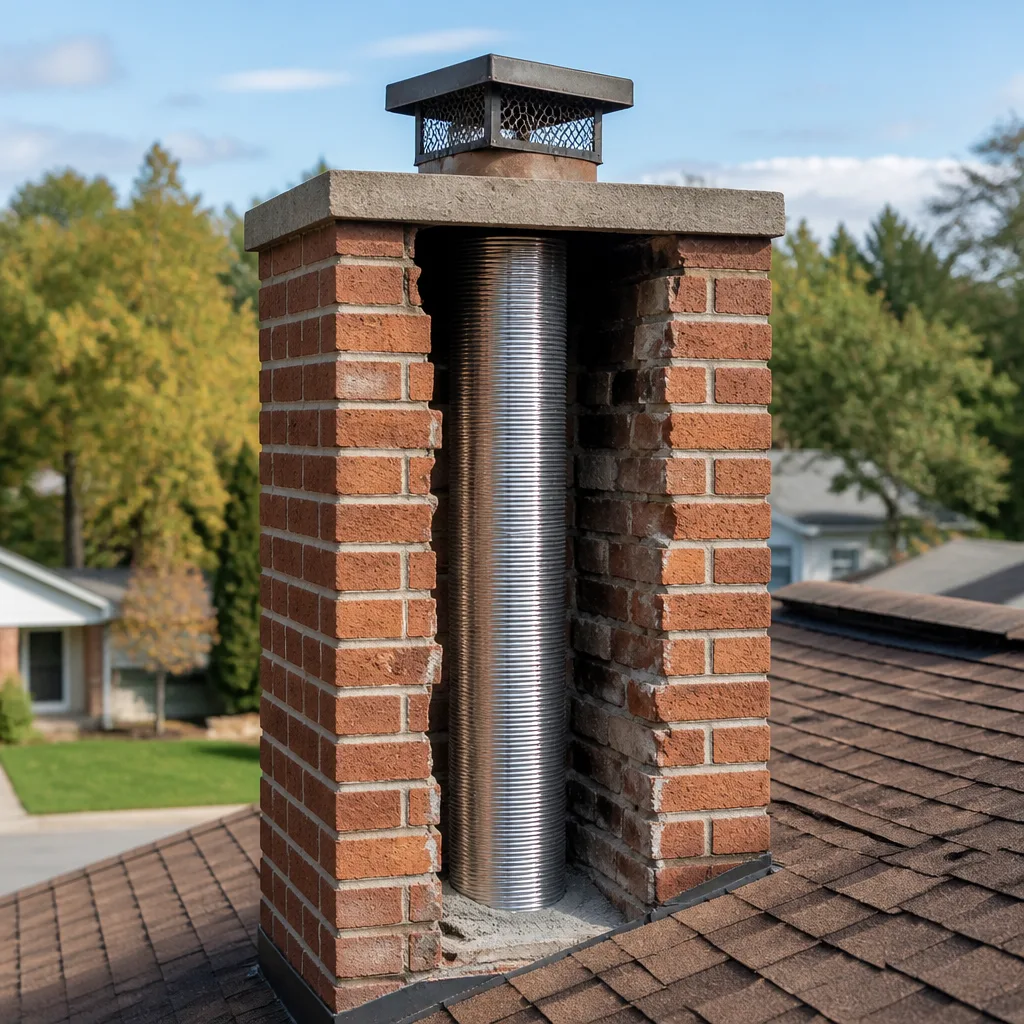
Flexible stainless steel liner kits are the more common option. A corrugated stainless tube is dropped down the flue and connected to the appliance. Brand matters here: DuraFlex is a professional-grade flexible liner system used across the trade, and it works for gas, oil, and wood-burning appliances. Olympia Chimney also makes liner components. The advantage is that a flexible liner insulates and contains the flue in one step, and it can be sized to the appliance. The disadvantage is cost and, in some chimneys, the need for a slightly smaller flue opening.
Cast-in-place liner systems are the other path. A cementitious material is pumped or troweled into the existing flue to form a new smooth interior surface. HeatShield ceramic resurfacing is the specialist example – it repairs a deteriorated flue liner without tearing out the chimney, which is the key point. Where a flexible liner requires inserting a new tube, HeatShield restores the existing flue from the inside. For a chimney with a sound structure and localized deterioration, that can be a better fit than a full reline, and it’s a repair option many general handymen simply don’t offer because they don’t carry the product.
Which one is right for a Far North Dallas home? It depends on the build. Older masonry chimneys with clay tile liners often suit HeatShield or a flexible liner depending on the extent of the damage. Newer prefabricated fireplaces usually need a specific liner rated for the appliance. If you’re converting to gas logs or a new insert, the liner has to be rated for that fuel type. DuraFlex covers all three – gas, oil, and wood – which is why it’s in our toolkit.
How to evaluate the recommendation:
- Ask for the camera footage of the liner before any recommendation is made.
- Ask which system is proposed – flexible stainless or cast-in-place – and why.
- Ask for the product brand. DuraFlex and HeatShield are professional-grade; “stainless liner” alone tells you nothing.
- Ask what the liner will be rated for. Gas, oil, and wood each have different requirements.
Nothing should be recommended without camera evidence you can see for yourself. If the liner is intact, we say so. If it isn’t, we show you the footage and explain the options. For a full picture of the service categories, our chimney sweep page covers what’s included in a standard visit.
Creosote Treatments: Supplement or Substitute?
Creosote is the tar-like residue that builds up in a flue as wood burns. It comes in stages – light soot, then a flaky crust, then a hardened glaze that’s the dangerous form because it ignites at lower temperatures and burns hot. Chimney fires start in glazed creosote. That’s the safety reason for sweeping, and it’s not a scare tactic; it’s how the fuel behaves.
Creosote treatment products like Rutland’s creosote remover or Anti-Creo-Soot (ACS) are chemical treatments that change the structure of creosote deposits, making them easier to brush away or causing them to flake and fall. They have real uses. But they have limits, and those limits matter.
- They are not a substitute for mechanical cleaning. A treatment product doesn’t remove creosote; it conditions it. The brush still has to do the work.
- They work best on light-to-moderate deposits. Glazed, third-degree creosote usually needs mechanical removal, and sometimes chemical treatment followed by a return visit to sweep.
- They’re a valid supplement for high-use fireplaces. A household burning frequently through the winter may benefit from a treatment between sweeps to slow buildup.
- The product brand matters. Rutland and ACS are recognized formulations used by professionals. Generic “creosote log” products sold at hardware stores vary widely in what they actually contain.
In our experience, the honest answer on creosote treatments is: they help, and they don’t replace the sweep. A company that sells you a treatment log and skips the brush is not doing the job. A company that treats the creosote, sweeps it out, and schedules a follow-up if the glaze was heavy is doing it right. The inspection tells you which category your chimney falls into.
For Far North Dallas homes with wood-burning fireplaces used regularly through the cooler months, an annual sweep plus a treatment on heavy-use years is a practical routine. Gas and oil appliances don’t produce creosote the same way, so the recommendation differs. That’s part of why the inspection comes first.
The Three Questions to Ask Before Booking
You don’t need to become a chimney expert to evaluate a contractor. You need three questions, asked before the appointment is scheduled, and you need to listen for whether the answers are specific or vague. A company using professional-grade supplies can answer all three without hesitation. A company sourcing from the hardware store will hedge.
- “What brushes and rods do you use?” Professional sweeps use polypropylene or wire brushes sized to the flue, on flexible rods, with a HEPA vacuum to contain the dust. A shop-vac and a hand brush is not a chimney sweep. The answer tells you whether the cleaning will actually remove deposits or just knock the loose soot off.
- “What cap and crown products do you install?” Look for brand names: Gelco, Olympia Chimney, Famco, Copperfield for caps; CrownCoat for crown resurfacing; MasonrySaver for masonry protection. If the answer is “we use a good waterproof sealant,” ask which one. A trained technician knows the product name.
- “What liner system would you recommend, and how would you decide?” The right answer describes both flexible stainless (DuraFlex or similar) and cast-in-place (HeatShield) and explains that the choice depends on the inspection. A company that recommends one system for every chimney hasn’t looked at yours.
There’s a fourth question worth asking, though it’s more of a test: “Will I see the camera footage?” A professional chimney inspection includes video of the flue interior, and you should be able to look at it with the technician. The inspection isn’t an upsell attached to a sweep – it’s a standalone assessment that determines whether a sweep, a repair, or nothing at all is the right call.
We work on the whole chimney system – not just the flue. That means the same conversation covers cleaning, inspection, cap replacement, and structural repair. One call covers all of it, and the materials come from professional-grade suppliers rather than a big-box run. When you call Chimney Sweep Far North Dallas at (866) 937-8051, the estimate is free and the answers should be specific.
What a Professional Sweep Actually Uses
The tools a sweep brings up the ladder tell you almost everything about the quality of the cleaning. A proper sweep uses rods and brushes matched to the flue size, a drop cloth or containment system at the firebox, and a HEPA-filtered vacuum running the whole time so nothing escapes into your living room. The brush itself matters: polypropylene for clay tile liners, wire only where appropriate, and a size that makes contact with the flue walls rather than spinning freely in the middle.
Far North Dallas homes with masonry fireplaces usually have clay tile liners, which take a polypropylene brush well. Prefabricated metal fireplaces need a different approach – often a smaller brush and a vacuum-only cleaning if the flue has offset sections. A company that uses the same brush for every chimney is a company that hasn’t thought about it.
What the sweep leaves behind matters as much as the cleaning. A professional job ends with a visual check of the firebox, damper, smoke chamber, and cap, and a note on anything that needs attention. That’s where the inspection connects to the cleaning – and it’s why we treat inspection as a standalone service rather than a checkbox on the sweep invoice. If you haven’t had an inspection in over a year, or you’ve just bought a home in Far North Dallas, start there. The Chimney Sweep Far North Dallas page lays out what the visit includes.
Why One Company for the Whole System Saves You Headaches
The final thing to understand about brand and materials is that the chimney is one system. The cap sheds water off the crown. The crown protects the masonry. The masonry holds the flue. The flue contains the smoke. When one part fails, the others are usually working harder. That’s why a company that only sweeps and leaves will hand you a list of repairs and a phone number for “a mason” – and the mason will recommend a different cap, and the cap installer will recommend a different crown, and nobody owns the whole picture.
We handle the full chimney service spectrum: sweeping, inspection, cap and crown work, liner repair with HeatShield and DuraFlex, and structural fireplace repair. That means the person who inspects your flue is the person who can recommend the liner, and the company that installs the cap is the company that resurfaces the crown. No second contractor, no finger-pointing if something fails. Professional-grade materials from recognized suppliers – DuraFlex, HeatShield, Gelco, Olympia Chimney, Famco, Copperfield – across all five service categories.
For Far North Dallas homeowners, that continuity is worth more than a few dollars off a sweep. The chimney gets one consistent diagnosis and one consistent set of materials. When the work is done, the system is considered as a whole, not piece by piece.
Common Mistakes to Avoid
- Hiring on price alone. A quote that’s half the going rate usually means a hardware-store cap and a caulk crown. The cheap repair fails first, and the replacement costs more than the original job would have.
- Accepting a cap without a brand. Galvanized sheet metal from a big-box store dents under Far North Dallas hail and rusts within a few seasons. Ask for the brand and the material before the cap goes on the roof.
- Letting a “crown repair” happen without a product name. Caulk and deck sealer are not crown coatings. CrownCoat and MasonrySaver are, and a contractor should be able to tell you which one is going on your chimney.
- Skipping the inspection because you had a sweep. A sweep cleans; an inspection diagnoses. If the flue has never been camera-inspected, a sweep alone doesn’t tell you whether the liner is sound.
- Believing a creosote log replaces the brush. Treatments condition creosote; they don’t remove it. A company selling a treatment as a substitute for mechanical cleaning is cutting the job.
- Accepting a liner recommendation without video. If the technician can’t show you the flue interior, you can’t verify the diagnosis. Ask to see the footage.
- Ignoring the cap because the firebox looks fine. Water damage starts at the top and works down. A cracked crown or loose cap can go unnoticed for years while the masonry behind it deteriorates.
See the difference
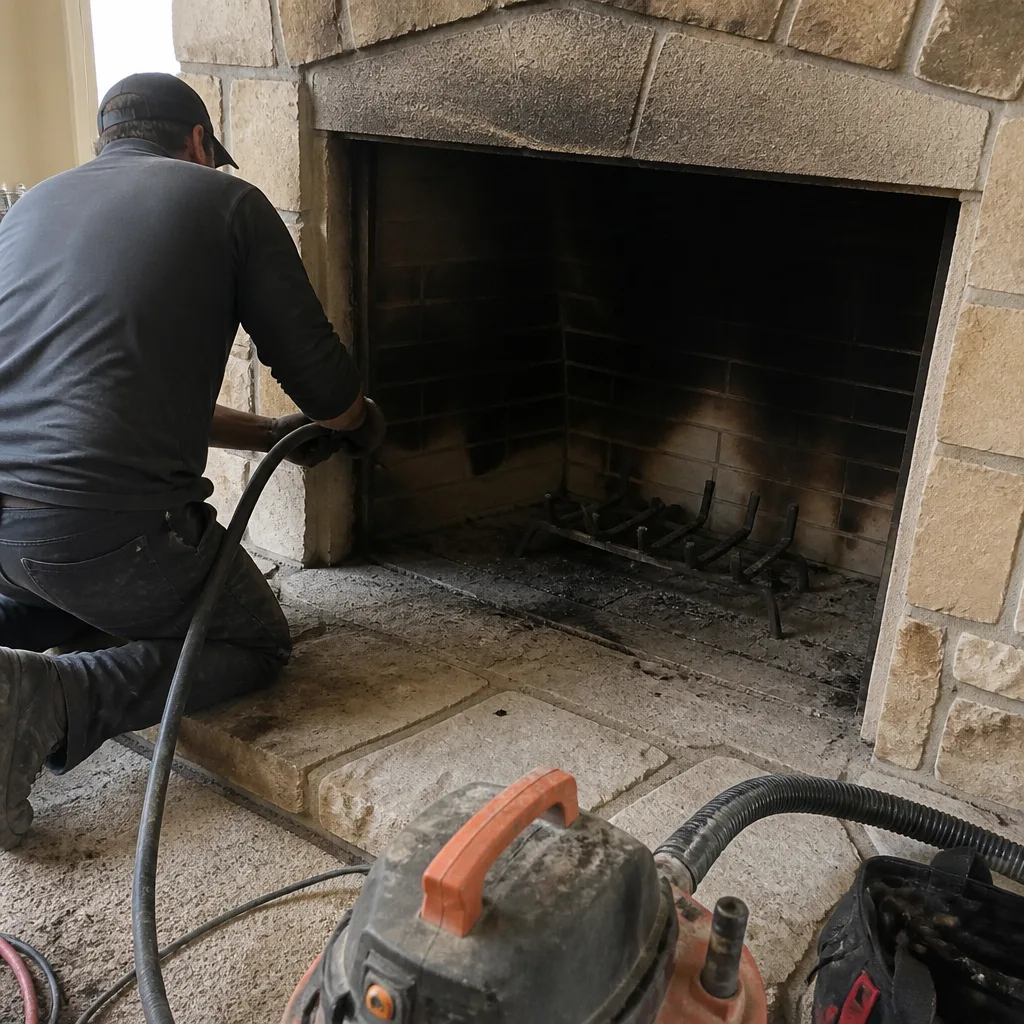 Before
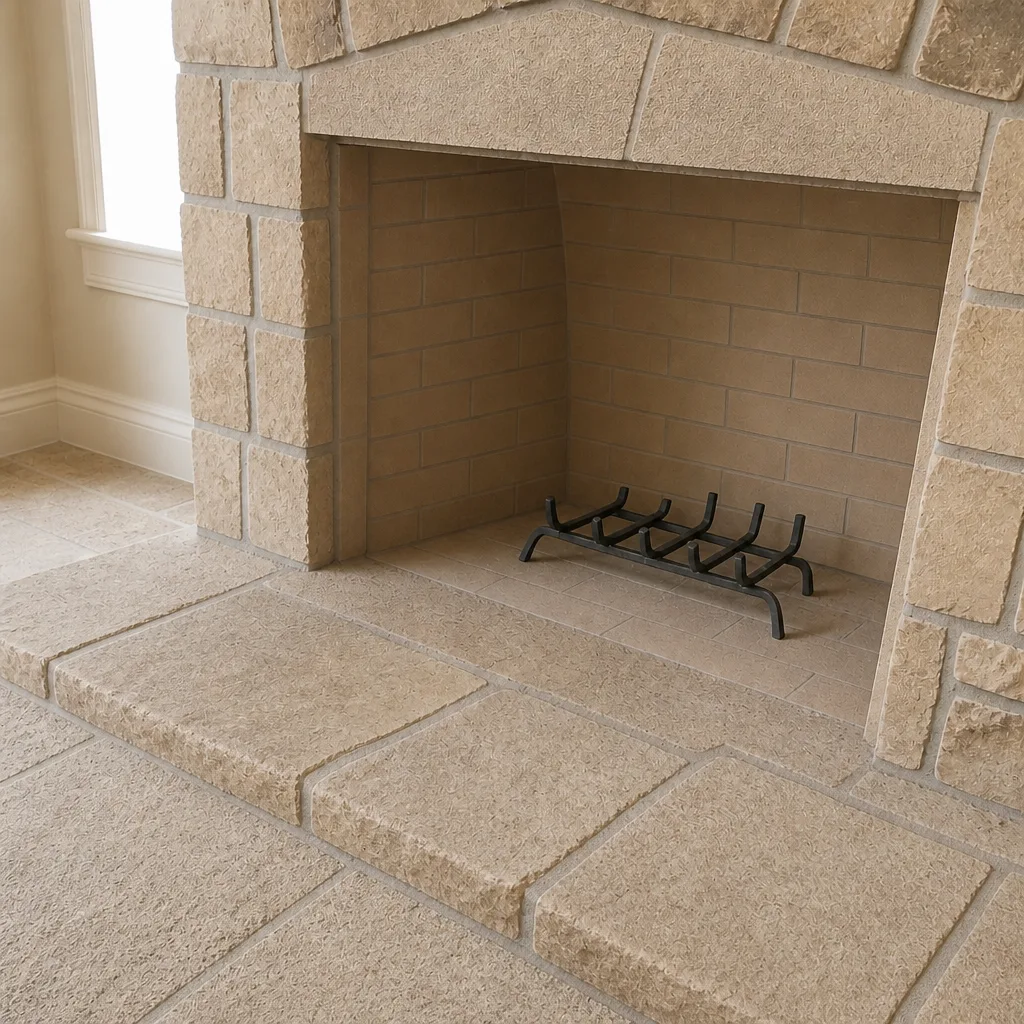 After
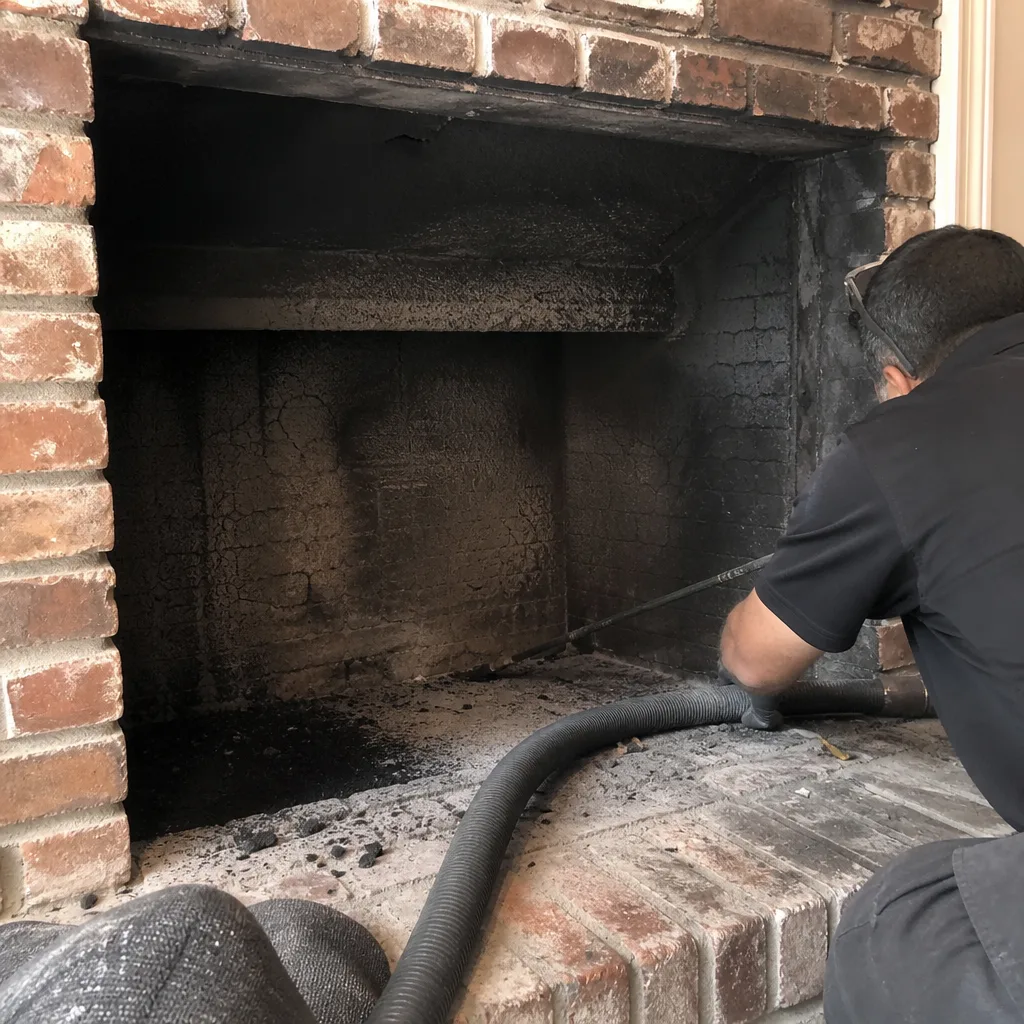 Before
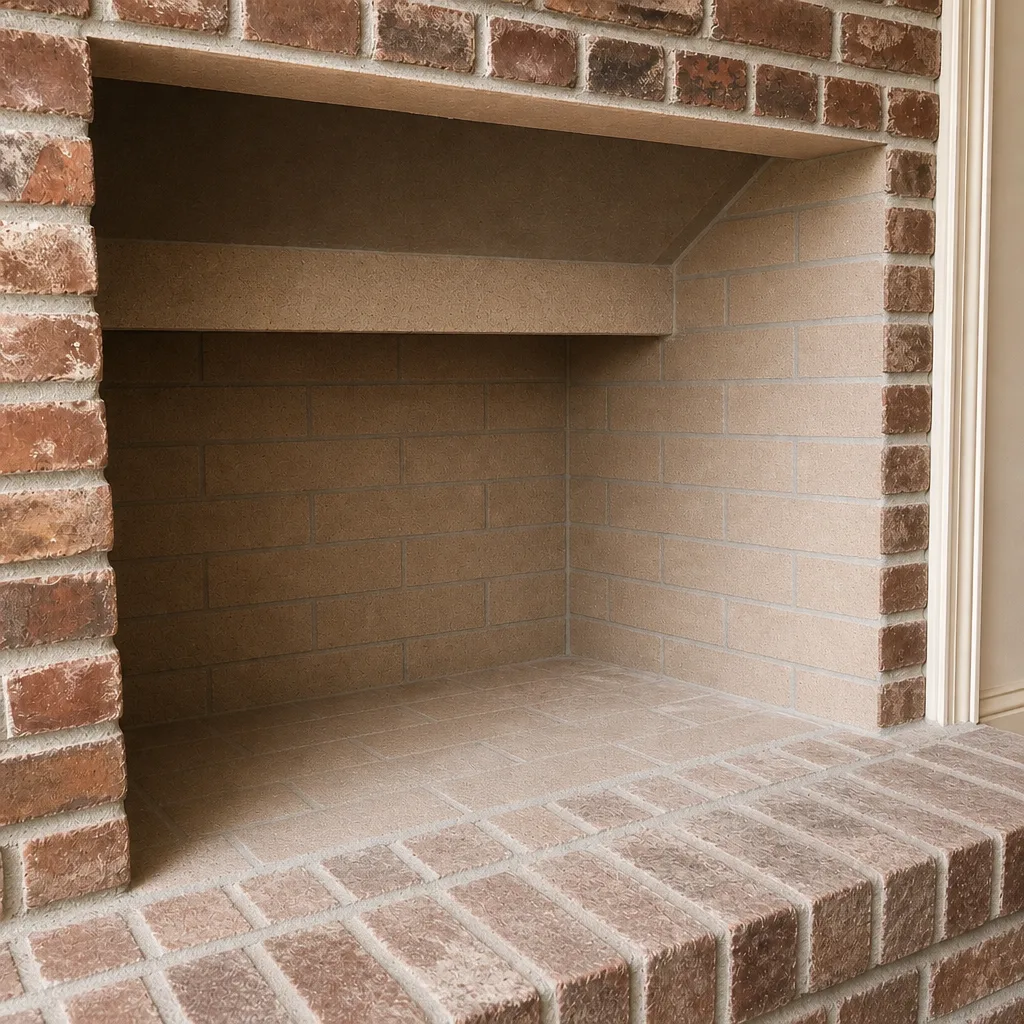 After
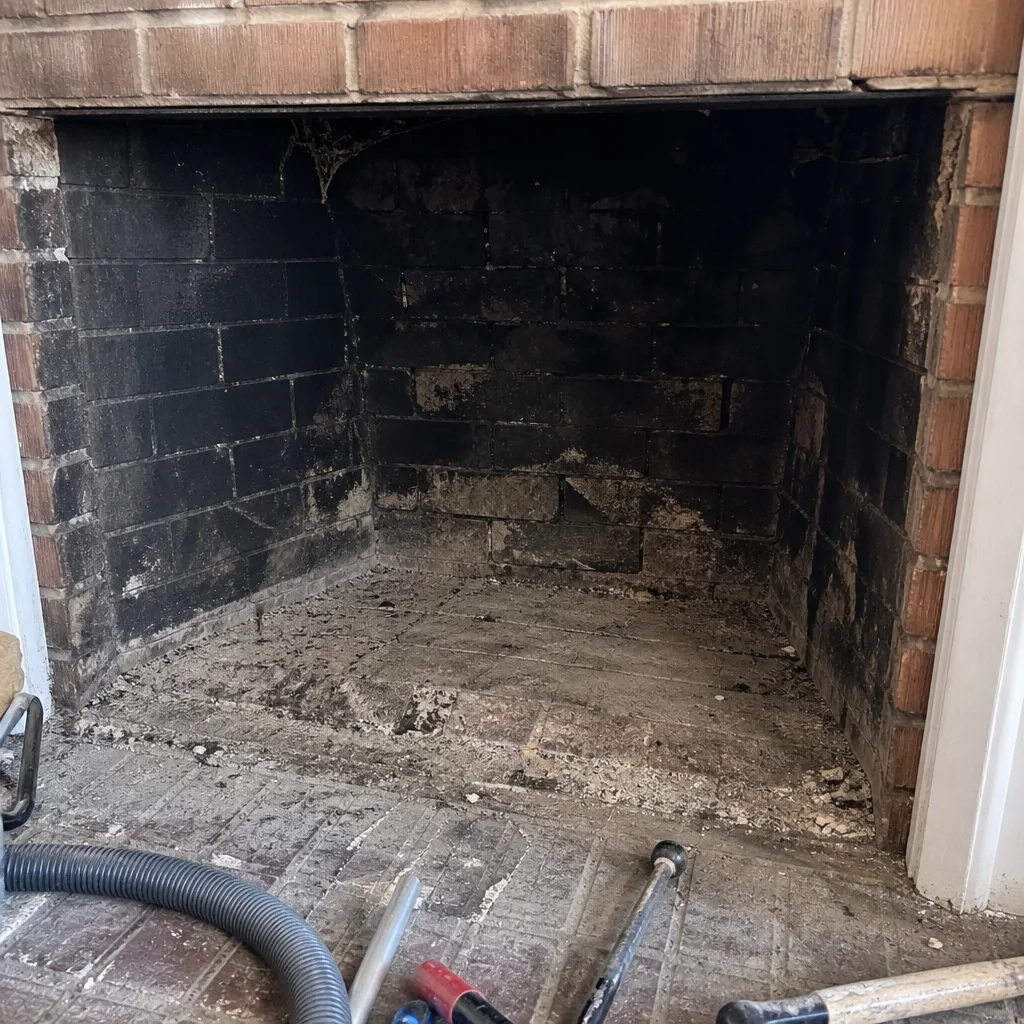 Before
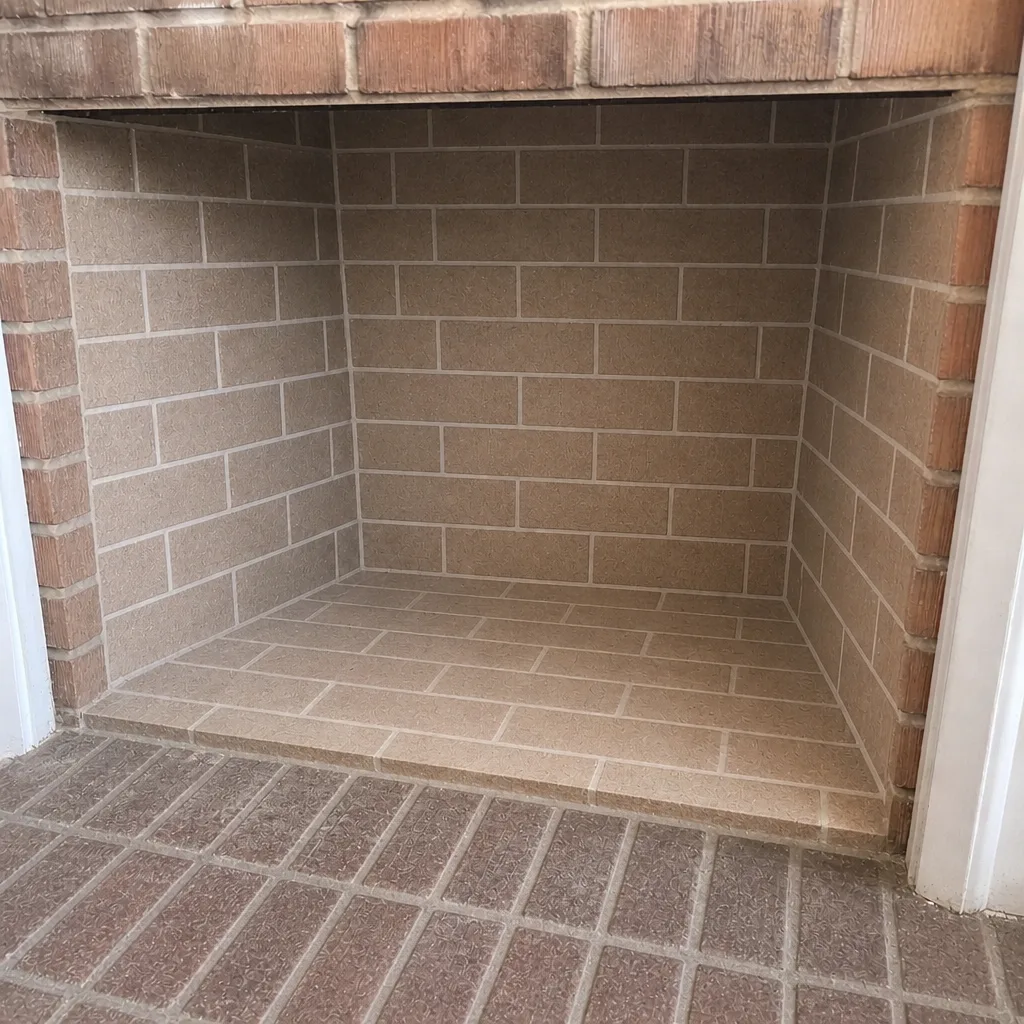 After
When to Call a Professional
Some chimney work is routine, and some of it genuinely needs a trained technician. Call a professional if your fireplace hasn’t been swept in over a year of regular use, if you’ve just bought a home in Far North Dallas and don’t know the chimney’s history, or if you notice draft problems, odors that don’t clear when the fireplace is cold, or visible damage to the crown or cap from the ground. Call immediately if you’ve had a chimney fire, if the firebox has cracked or the damper won’t close, or if you smell gas from a gas appliance. Creosote buildup and carbon monoxide are the two real risks a chimney poses, and both are best caught by inspection before they become a problem.
Chimney Sweep Far North Dallas offers free estimates in Far North Dallas – call (866) 937-8051. We answer 24/7. Fast dispatch from 7am to 7pm, Sunday through Friday. The local pro is licensed and insured as the state requires, and every job gets a written estimate before any work begins. Our technicians have up to 15 years of experience with wood-burning, gas, and oil systems across the Far North Dallas area.
Frequently Asked Questions
Look for a company that works with recognized professional-grade suppliers: DuraFlex for flexible liners, HeatShield for ceramic liner resurfacing, Gelco, Olympia Chimney, Famco, and Copperfield for caps and components, and CrownCoat and MasonrySaver for crown and masonry repair. These are the names that signal the company buys from industry suppliers rather than a hardware store. Call (866) 937-8051 if you’d like to ask what we’d use on your chimney – the estimate is free.
Stainless steel caps outperform galvanized in our hail and temperature-swing environment, and a correctly sized cap will be engineered to the flue opening rather than forced over it. If your current cap is dented, rusting, or held on with wire, it’s time to replace it. Caps from Gelco, Olympia Chimney, Famco, and Copperfield are purpose-built and install with proper fasteners. Call (866) 937-8051 for a cap assessment.
Neither is universally better – the right choice depends on the chimney’s condition and the appliance. Flexible stainless systems like DuraFlex work well for gas, oil, and wood appliances and contain the flue in one step. HeatShield ceramic resurfacing restores a deteriorated liner without tearing out the chimney, which suits cases where the structure is sound and the damage is localized. The inspection determines which applies. Call (866) 937-8051 to book an inspection.
They work as a supplement to mechanical cleaning, not a substitute for it. Products like Rutland’s creosote remover or Anti-Creo-Soot change the structure of deposits so they brush away more easily, and they’re useful for high-use fireplaces between sweeps. Glazed creosote usually needs mechanical removal regardless. Call (866) 937-8051 if you’re not sure what stage your buildup is at.
Once a year for a regularly used wood-burning fireplace is the practical baseline, and more often if you burn heavily through the cooler months. Gas and oil appliances follow different schedules based on the manufacturer’s recommendations and the inspection findings. The inspection, not the calendar alone, tells you when the next sweep is due. Call (866) 937-8051 to schedule one.
Small problems get worse quietly. A cracked crown lets water into the masonry, a deteriorating liner lets combustion gases into the structure, and creosote builds up until it’s a fire risk. None of these are visible from the living room. An inspection with camera footage is how you catch them while they’re still cheap to fix. Call (866) 937-8051 – estimates are free.
Yes. Nothing is recommended without camera evidence you can watch with the technician. If the flue is sound, we say so, and if the work can safely wait, we tell you that too. The written estimate sets the final price, and the decision to proceed is yours. Call (866) 937-8051 with any questions before booking.
The Bottom Line
The brand question in chimney cleaning is really a materials question. Caps, crowns, liners, and creosote treatments are what stay on your chimney long after the technician leaves, and the products used determine how long the work lasts. In Far North Dallas, where hail and temperature swings stress every roof component, professional-grade materials from suppliers like DuraFlex, HeatShield, Gelco, Olympia Chimney, Famco, and Copperfield are worth asking about by name. Ask the three questions, request the camera footage, and choose a company that handles the whole system rather than just the flue. That’s how you get a repair that’s still holding years from now.
Ready to book? Call Chimney Sweep Far North Dallas at (866) 937-8051 for a free estimate. We answer 24/7. Fast dispatch from 7am to 7pm, Sunday through Friday. We serve homeowners across Far North Dallas with sweeping, inspection, cap and crown work, liner repair, and fireplace repair – one call covers the whole system.
Written by the team at Chimney Sweep Far North Dallas.