
Last updated November 25, 2026
 Sweep & inspection
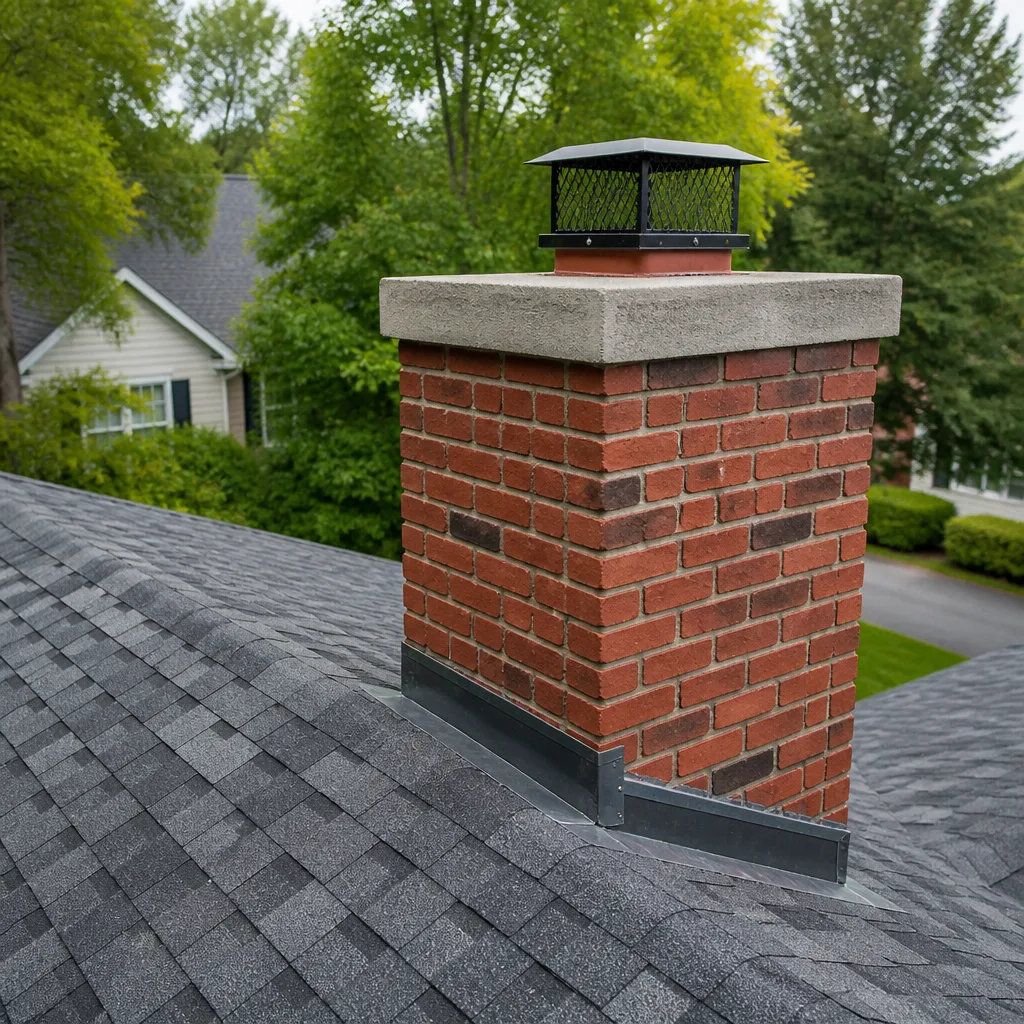
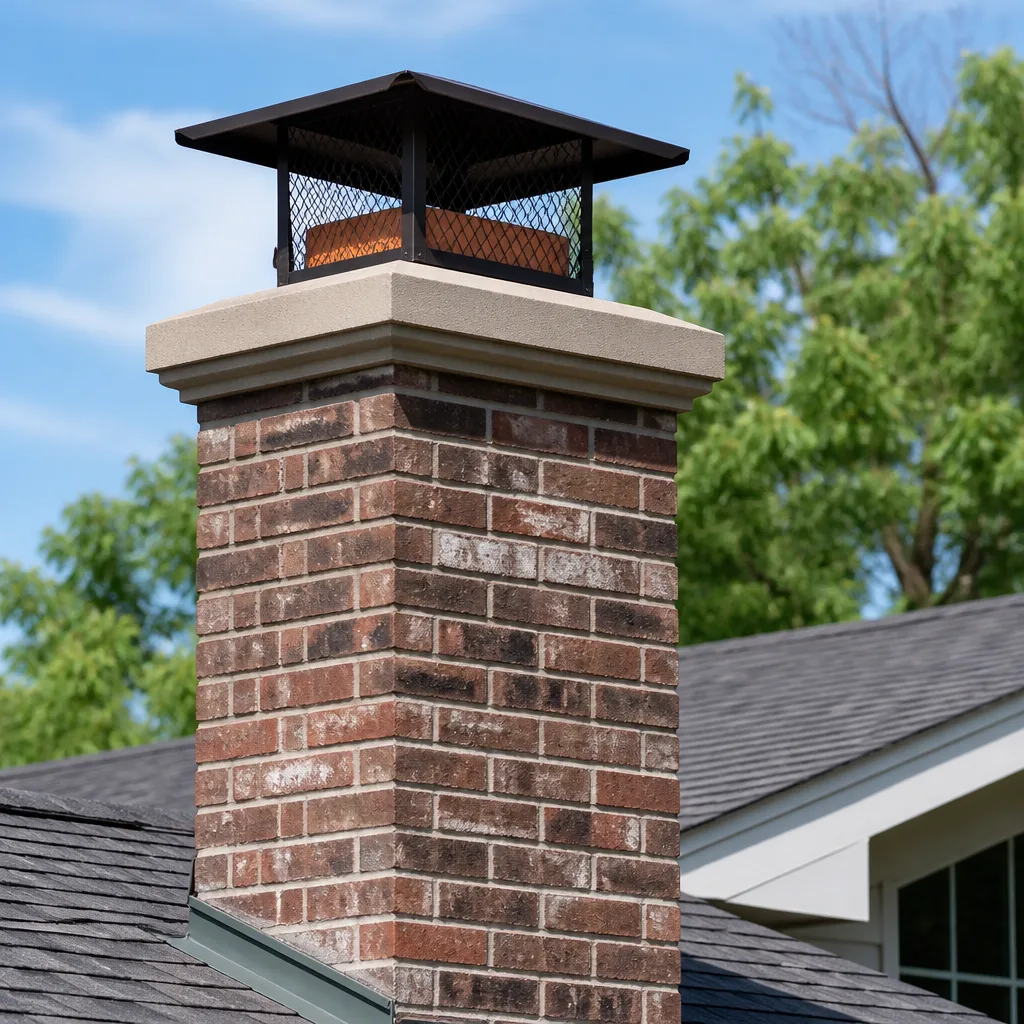 Caps & crowns
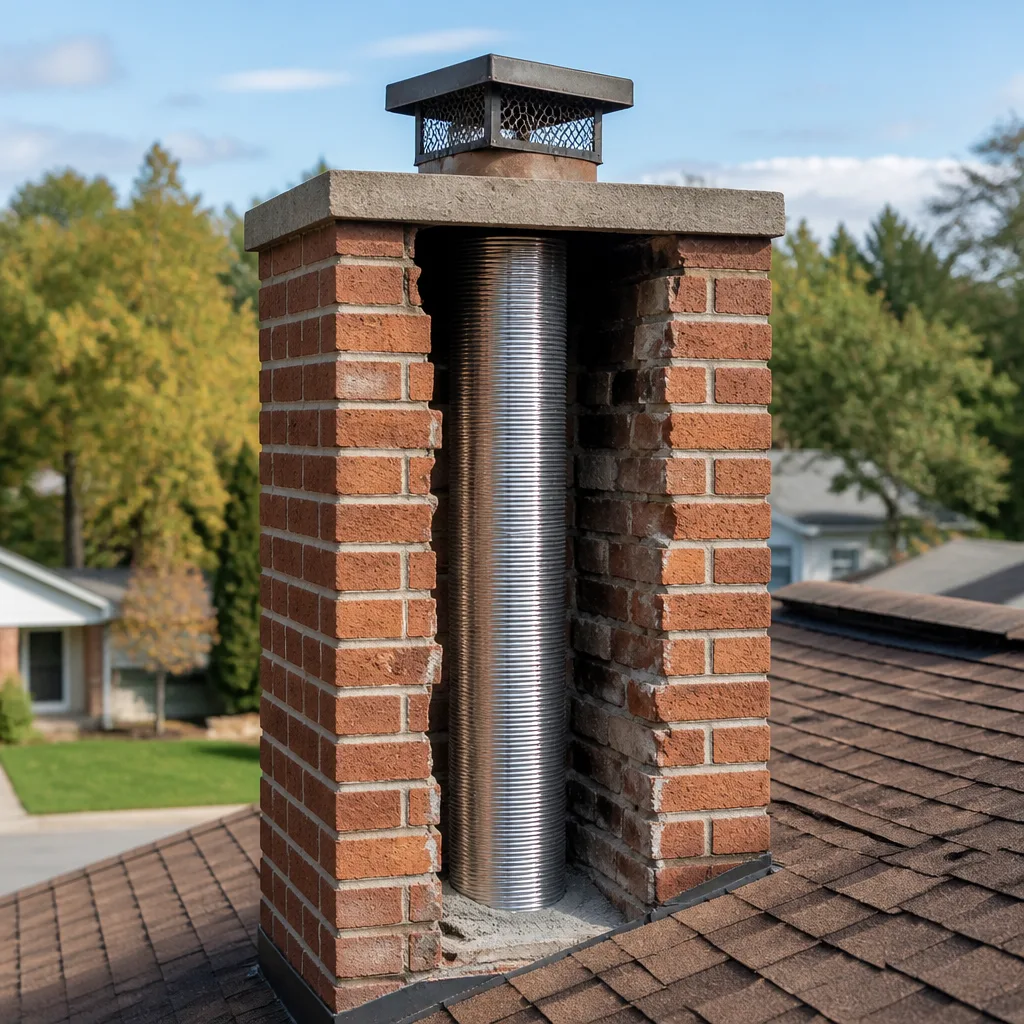 Flue relining
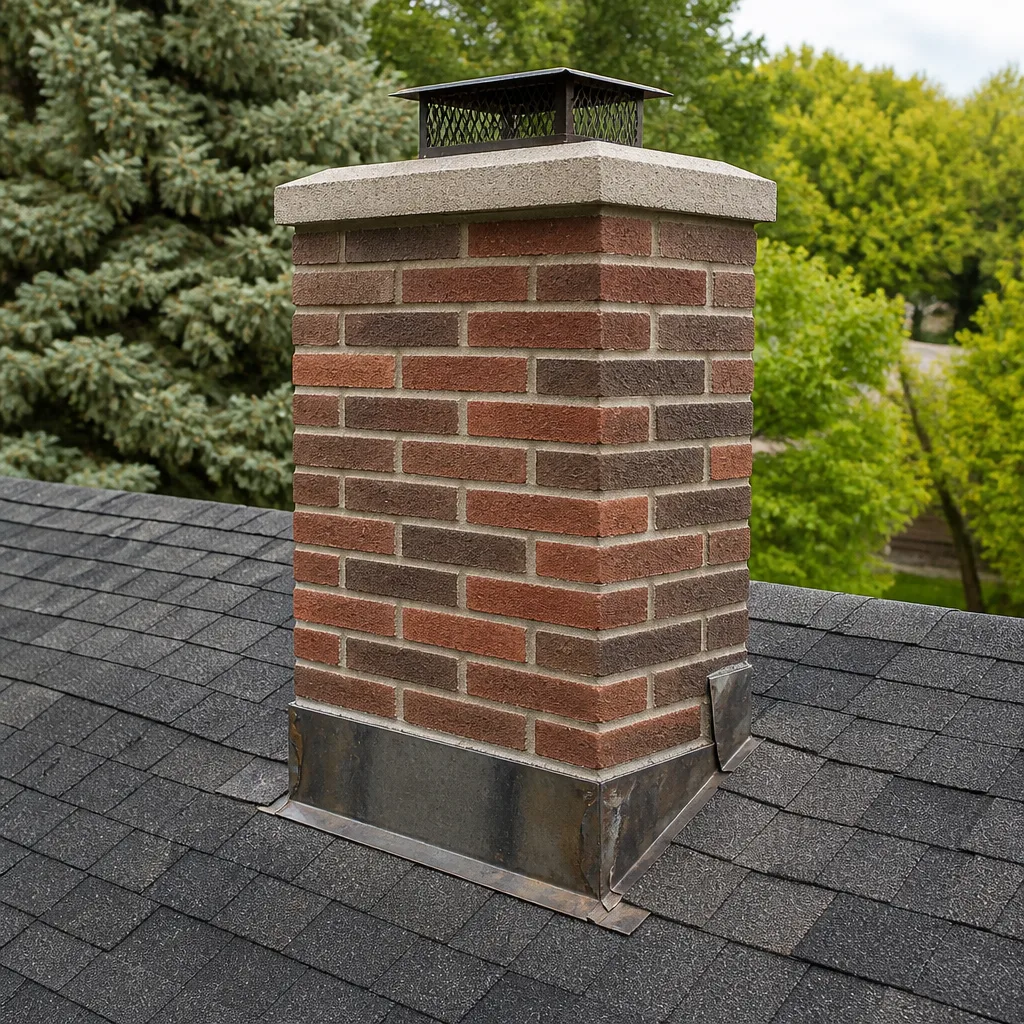 Masonry repair
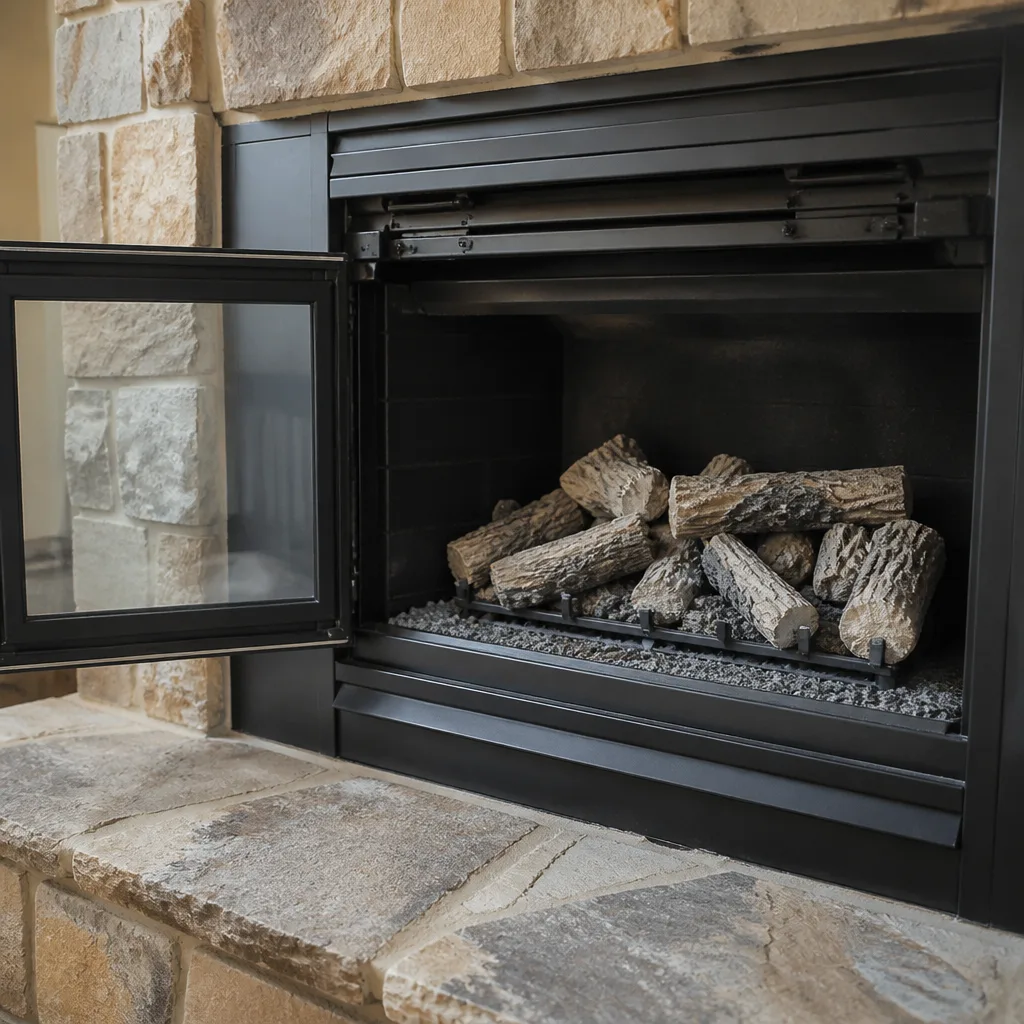 Gas fireplace service
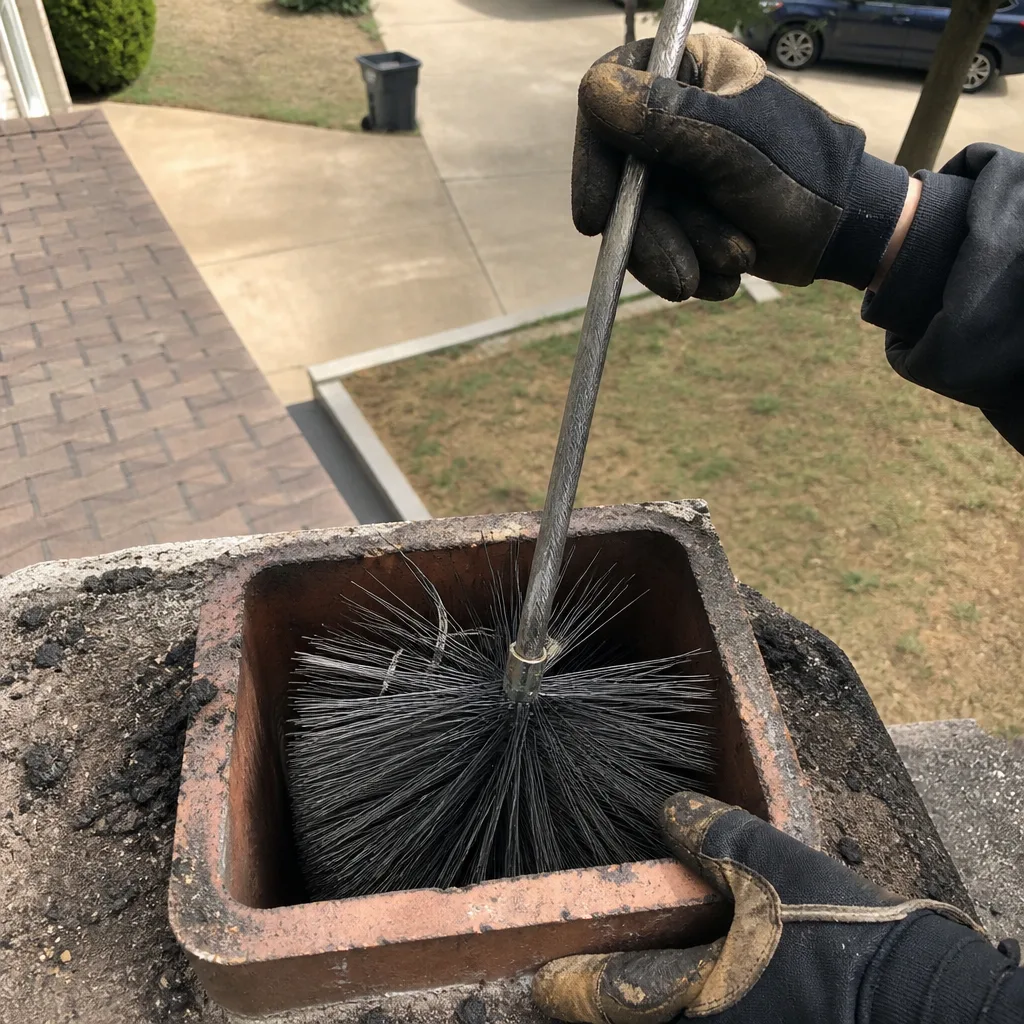
Level 1 sweep and inspection to the NFPA 211 annual standard - flue, crown, cap, and flashing checked and photographed
Chimney sweep logs do not sweep chimneys. They loosen some creosote - which then falls where a brush and vacuum still have to collect it.
How to Hire a Chimney Cleaning Contractor in Far North Dallas: A Step-by-Step Guide
Texas does not require a chimney sweep license. That single fact changes how you should shop for one. Anyone with a brush, a ladder, and a magnetic sign can legally knock on your door in Far North Dallas and offer to clean your flue, and plenty do. The technicians who can actually diagnose a cracked crown, document a deteriorated liner, and tell you honestly whether a repair can wait are a smaller group. This guide walks you through the credentials that matter, the five questions to ask before you book, the red flags that separate a low bid from a real scope of work, and how to verify what you paid for after the truck pulls away.
Quick Answer
Hire a chimney contractor in Far North Dallas by verifying credentials first, not price. Ask for CSIA Certified Chimney Sweep or NFI certification, a written inspection report with photos, the specific materials and brands used for any repair, and confirmation that the company performs the work itself rather than subcontracting it. Get a written scope of work before anyone touches your flue, and never approve a repair the same day it is recommended unless you have documentation you can read and cross-check against NFPA 211.
Styles & brands we work with
- Sweep & inspection
- Caps & crowns
- Flue relining
- Masonry repair
- Gas fireplace service
Table of Contents
- What Do Chimney Credentials Actually Verify?
- The Five Questions to Ask Before You Book
- Red Flags in Low-Bid Chimney Companies
- Why an Inspection Comes Before a Sweep
- How to Verify the Work After the Service
- Why a Full-Service Bid Often Costs Less Overall
- What’s Specific to Chimneys in Far North Dallas
- When to Schedule a Sweep
What Do CSIA Credentials and NFI Certification Actually Verify?
CSIA Certified Chimney Sweep status verifies that a technician passed a proctored exam on chimney and venting systems, that they carry current liability insurance, and that they follow the CSIA’s code of ethics. NFI certification (National Fireplace Institute) covers hearth appliance installation and venting knowledge for wood, gas, and pellet systems. Both credentials require renewal, which matters because chimney codes and venting technology change.
The practical consequence is documentation. Insurance carriers frequently want proof that a chimney was inspected by a qualified technician before they’ll underwrite a policy on a home with a wood-burning fireplace. A technician without certification can sweep your flue, but they can’t legitimately produce the inspection documentation most insurers ask for. If you’re buying a home in Far North Dallas and your carrier requests a chimney inspection, an uncertified sweep isn’t going to satisfy that request. You’ll pay twice.
Ask directly: “Are you CSIA certified, and can you show me the certificate?” A legitimate specialist answers without hesitation. A handyman deflects, or says something like “I’ve been doing this a long time.” Longevity isn’t a credential.
One more distinction. Certification belongs to the technician, not the company name on the truck. When you book, ask who is actually coming to your house and what their certification is. Some companies advertise certification and then send an uncertified helper. We mention this because it’s the single most common gap between what’s promised on the phone and what shows up in the driveway.
The Five Questions to Ask Before You Book
These five questions separate a diagnoser from a sweeper. Ask them on the phone, before anyone is scheduled. The answers tell you more than any review or website.
- “What equipment will you actually use?” A professional sweep uses rotary rods or a powered brush matched to the flue’s size and material, plus a HEPA vacuum to contain the dust. If the answer is a hand brush and a shop vac, the flue is likely to be partially cleaned, and your living room is likely to be dusty.
- “Will I get a written inspection report with photos?” The answer should be yes, every time, and the photos should show the flue interior, the firebox, the damper, the crown, and the cap. A company that sweeps and leaves without documentation gives you no way to know what condition your system is in.
- “What materials do you use for repairs?” Professional-grade components come from recognized manufacturers like HeatShield, DuraFlex, Gelco, Olympia Chimney, Famco, and Copperfield. Those names signal purpose-built chimney products rather than hardware-store substitutes. Listen for specific brands; a vague “we use the good stuff” is not an answer.
- “Do you do the work yourself, or subcontract it?” When a sweep-only company finds a crown or liner problem, they refer it out. That means a second contractor, a second arrival, and often a second inspection fee. One company handling sweep, inspection, cap and crown, and liner repair keeps the scope and the responsibility in one place.
- “What does the written estimate include, and is it free?” You want a scope of work in writing before work begins, with the final price fixed by that estimate. No surprises on the invoice. Reputable companies provide this without a charge.
If a company can’t answer these five on the phone, they can’t answer them in your living room either. Move on.
Red Flags Specific to Low-Bid Chimney Companies
Chimney work attracts a particular kind of low bid, because homeowners can’t see inside the flue and have no independent way to judge the scope. That information gap creates room for a few patterns worth recognizing.
- Vague scope of work. “We’ll clean it out and check everything” is not a scope. A real estimate names the flue, the appliance type, the inspection level, and the specific repairs proposed, with quantities and materials.
- No written report. If the technician walks out with only a verbal “you’re all set,” you have no record of the condition of your chimney. Then you have nothing to give your insurer or a future buyer, and no way to know whether next season’s technician is telling you the truth.
- Same-day pressure on a large repair. A recommendation for liner replacement delivered without photos and before any documentation lands in your hands deserves skepticism. Ask to see the evidence and take a day to read it. A genuine problem will still be there tomorrow.
- Reluctance to name materials. Professional repairs use specified components from named manufacturers. An estimate that says “liner” without a product name, a size, or a manufacturer leaves you no way to compare bids.
- A price dramatically below everyone else’s. In Far North Dallas, a sweep priced well under the local range usually reflects a partial cleaning, skipped inspection, or a plan to upsell at the door. Cheap at the start often costs more by the end.
- No chimney cap in the scope. An open flue is an invitation for water, birds, and squirrels. A company that sweeps without checking the cap and crown has skipped a real part of the job.
- Cash-only, no paperwork. A written record protects you. If the company won’t put anything on paper, you have no recourse and no documentation.
Why an Inspection Comes Before a Sweep
The inspection is the diagnosis. The sweep is the cleaning. Treating them as the same appointment sounds efficient, but it means nobody makes an engineering decision about your chimney until after the brush is already in the flue.
A proper inspection evaluates the flue for cracks, gaps, and deteriorated mortar joints, the firebox for damaged brick and refractory panels, the damper for operation, the smoke chamber, the crown for cracks that let water in, and the cap for rust and blockage. In Far North Dallas, where the climate is mild and the fireplace season runs through the cooler months, the failures we see most are water intrusion through a failed crown and creosote accumulation from wood burning. Water damage is the slower and more common culprit. It works from the top down, softening mortar joints you never see.
Once the inspection is done, the recommendation should follow the evidence. A flue that’s sound gets cleaned and sent on its way. A lining showing moderate deterioration may not need demolition at all. HeatShield ceramic resurfacing can restore a deteriorating liner without tearing out the chimney, which is a specialist-only repair most general handymen can’t offer. When the lining is beyond resurfacing, a DuraFlex flexible liner system relines the flue for gas, oil, or wood-burning appliances.
Read that recommendation carefully, and ask your contractor to say plainly when a repair can safely wait. Not everything urgent is urgent today. We work on the whole chimney system, not just the flue, which means the recommendation you get covers the crown and cap as readily as the flue liner. A proper inspection tells you which of those actually needs attention before burning season starts.
How to Verify the Work After the Service
The report you receive after the service is your evidence, and it should be specific enough to cross-check. Here’s what a proper post-service report contains:
- Photos of the flue interior before and after the sweep, taken at the flue top, mid-flue, and the firebox connection.
- The inspection level performed and what was visually accessible.
- A statement of condition for the crown, cap, firebox, damper, smoke chamber, and flue liner, with any defects noted and photographed.
- Any measurements of creosote accumulation or clearance issues, especially where the flue passes near combustible framing.
- Recommended repairs with a written scope, itemized, with materials named.
Cross-check against NFPA 211, the national standard for chimneys, fireplaces, vents, and solid-fuel appliances. NFPA 211 sets clearance requirements and describes the inspection levels a technician should follow. You don’t need to read the whole standard, but if a report says something the standard contradicts (for example, calling a flue safe while noting a clearance problem), ask about it. A technician who knows the standard will explain the discrepancy. A technician who doesn’t will change the subject.
One more check: ask whether the company will note the work performed on the invoice with the material brands used. If the liner says HeatShield, the invoice should say HeatShield. If the cap is a Gelco, the paperwork should name it. Documentation is the difference between a service you can stand behind and one you’ll have to take on trust.
Why a Full-Service Bid Often Costs Less Overall
Hiring a sweeper and a separate mason for follow-up work looks cheaper on the first invoice. It rarely is by the time the job is done.
The cost breakdown stacks up. You pay for the sweep. The sweeper finds a crown problem or a deteriorated liner and refers you to a mason. The mason comes out, performs their own inspection because they won’t work off someone else’s findings, and quotes the repair. That’s two inspection visits, two arrival windows, and a gap in the middle where the chimney sits in whatever condition it was in. If the two companies disagree about the scope, you’re the one stuck deciding who’s right, without the training to judge.
A full-service company does the sweep, the inspection, the cap and crown, the fireplace repair, and the liner work under one call. The scope is written once, by the people who saw the condition. The materials are the same professional-grade components you’d want from a specialist anyway, sourced from recognized industry suppliers. And the accountability is single. If the crown repair fails, there’s one company to call.
This is the practical case for hiring a company that covers the entire system. Where the sweeper-then-mason path makes sense is when your chimney genuinely needs only a sweep and nothing else. That’s why the inspection comes first. An inspection, then an honest recommendation, then repair only what needs it. If your flue is clean and sound, the second contractor was never needed. If it isn’t, you’ll be glad you didn’t start the process twice.
What’s Specific to Chimneys in Far North Dallas
Far North Dallas homes come with chimney stock that ranges widely. The neighborhoods around Preston Hollow, Bent Tree, and the corridors near the Dallas North Tollway include newer construction with factory-built fireplaces and older homes with masonry chimneys that have been through multiple owners. Each type has its own failure points.
Factory-built fireplaces have liners that can’t be resurfaced the way a masonry flue can. When they fail, the answer is replacement with a listed liner system matched to the appliance, which is why DuraFlex flexible liners come up so often in this part of the city. Masonry chimneys fail differently. Their mortar joints erode, crowns crack, and liners develop gaps that start as minor nuisances and widen over heating seasons.
The North Texas weather pattern matters here too. Winter is brief and mild, which means the chimney spends months unused and then a few months of heavy use. Those months of disuse are when water intrusion through a failed crown does its quiet work, and it’s also when animals find an uncapped flue. By the time burning season starts, the homeowner has a problem that could have been caught during the off-season. That’s the argument for scheduling the sweep before the first fire, not after the chimney starts smoking or smelling.
One local reality worth naming: this part of Dallas doesn’t have a county or city code that hands you the answers. Texas doesn’t license chimney sweeps, and local permitting for chimney work varies by scope. For anything structural, ask your city’s building department whether a permit applies before work begins. A contractor who expects you to ask that question is the one you want.
When to Schedule a Sweep
Sweep frequency depends on use, not the calendar. The general rule is once a year for a chimney you burn in regularly, and more often if you burn hard, burn green wood, or burn fires below the smoke point where creosote builds quickly. A house you just bought should be swept and inspected before the first fire, regardless of what the seller told you about the last sweep.
In Far North Dallas, the practical window is the months before burning season. Book the sweep while temperatures are still warm, so any repair that surfaces has time to be done before the first cold night. Waiting until the first cool week means the call goes into a queue behind everyone else who waited. It also means a deficiency discovered on day one gets repaired on day ten, and the fire pit stays cold in between.
Other triggers call for a sweep or inspection without waiting for the calendar:
- You’ve never had the chimney inspected and you’ve been burning in it.
- You’re buying or selling a home and the insurer wants documentation.
- You notice smoke rolling back into the room instead of drafting up, or a persistent odor when the fireplace is idle.
- You can see cracks in the crown, rust on the cap, or missing mortar from the ground or the roofline.
- You’ve had an animal in the flue, or you hear one above the damper.
When you’re ready to book, a chimney sweep with the right credentials will confirm the scope and schedule in advance. That’s the baseline expectation.
Common Mistakes to Avoid
- Hiring on price alone. A low bid that skips the inspection or the cap isn’t a deal, it’s an incomplete job. Cheapest at the start often means most expensive by the end.
- Skipping the written inspection report. Without photos and a condition statement, you’re trusting a verbal summary of something you can’t see. Insurers, buyers, and future technicians all need the paper trail.
- Approving a liner replacement on the spot. Ask for the photos and the written scope, then read it. A repair that’s genuinely needed hasn’t gone anywhere by tomorrow.
- Hiring a handyman who’s “done some chimney work.” A general contractor can clean a flue. They usually can’t produce the inspection documentation your insurer needs or install a listed liner system to NFPA 211.
- Ignoring the chimney cap and crown. Water intrusion through a cracked crown is one of the most common slow-damage patterns in Far North Dallas. A sweep that doesn’t check the top of the chimney has skipped half the job.
- Assuming the last owner’s sweep means you’re covered. A new-to-you house needs its own inspection before you burn. What a seller says about the chimney isn’t documentation.
- Waiting until the first cold night. Booking a sweep in Far North Dallas before burning season gives you time for repair if something is found. Booking after the fireplace has already smoked means you’ve been burning into a possible problem.
See the difference
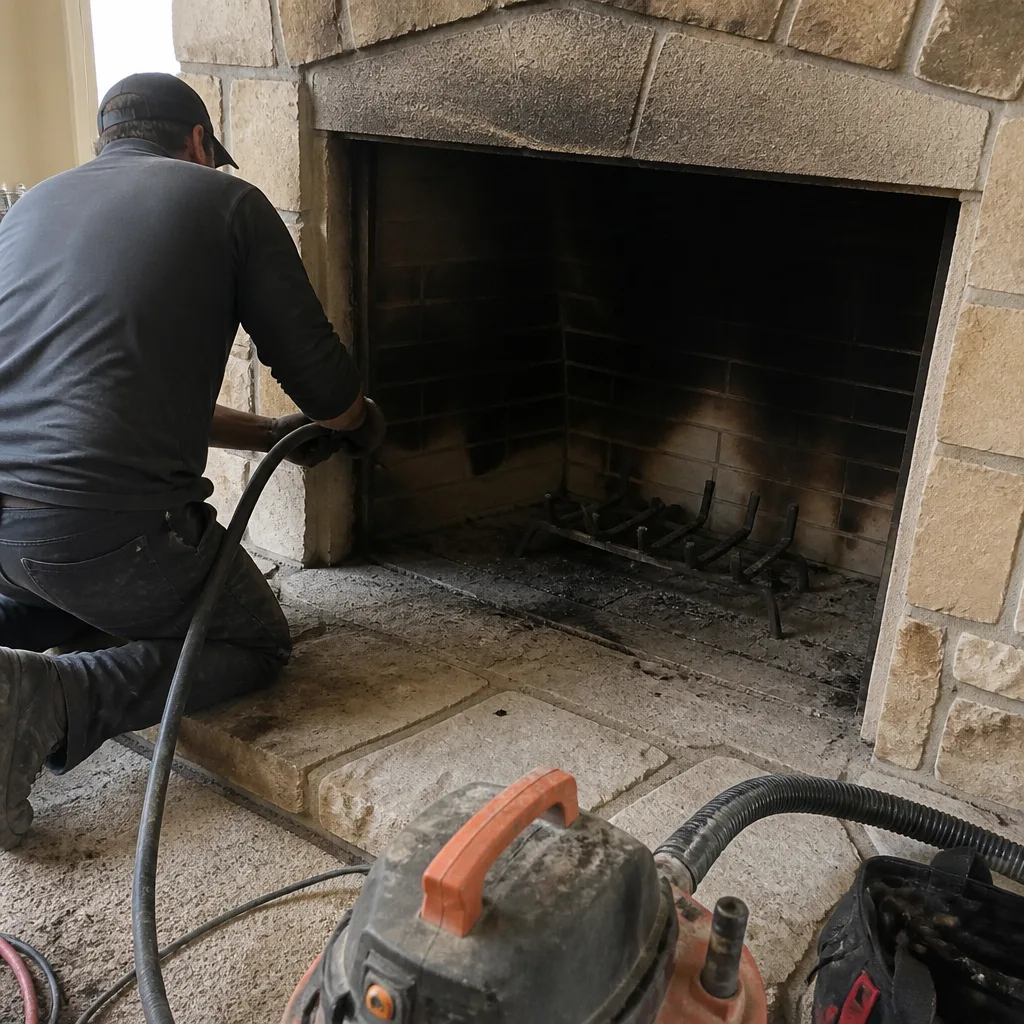 Before
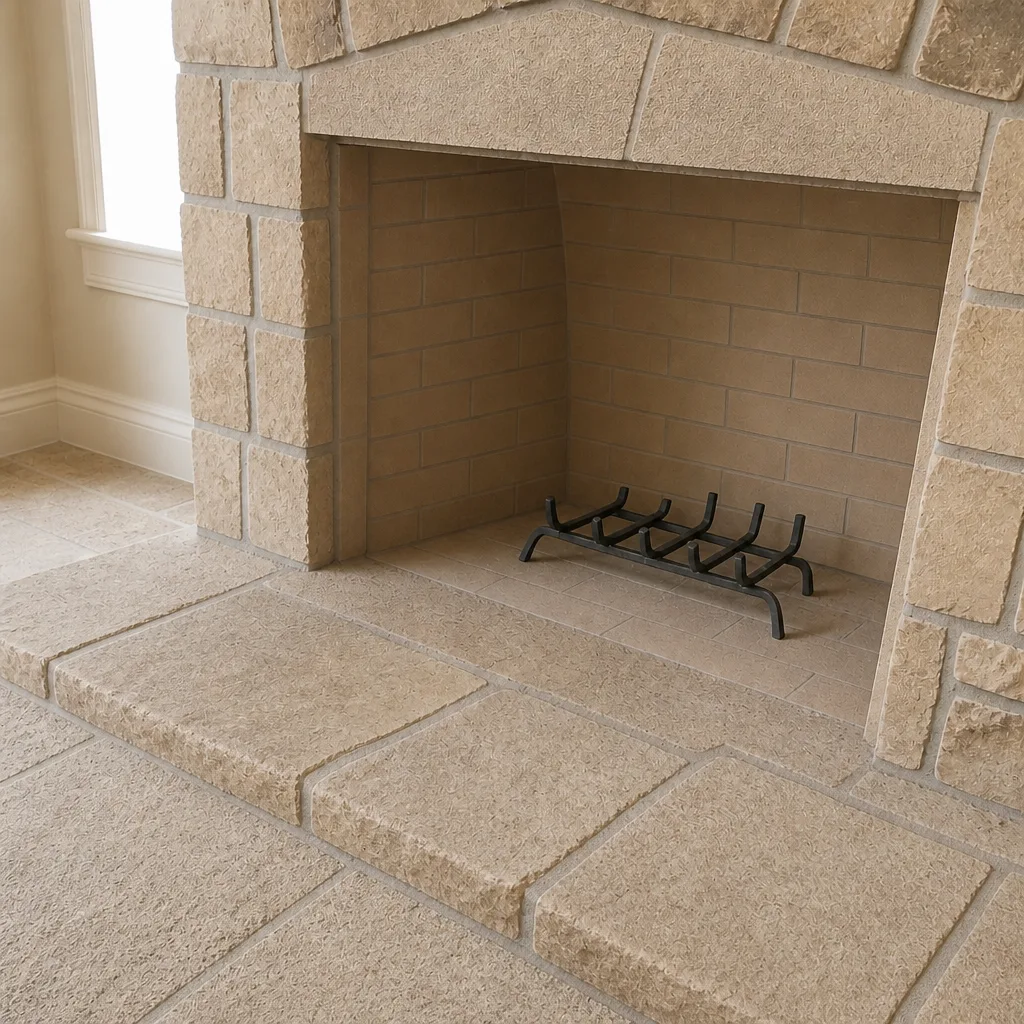 After
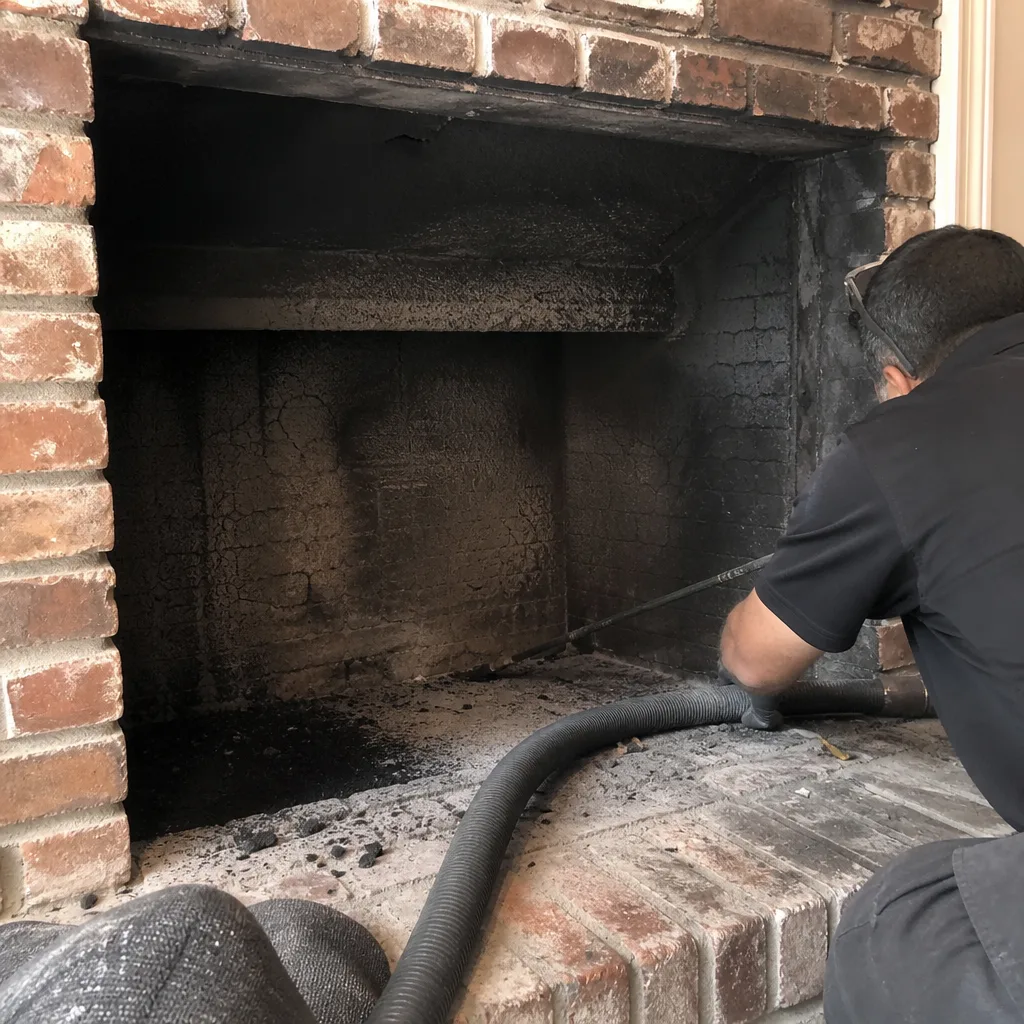 Before
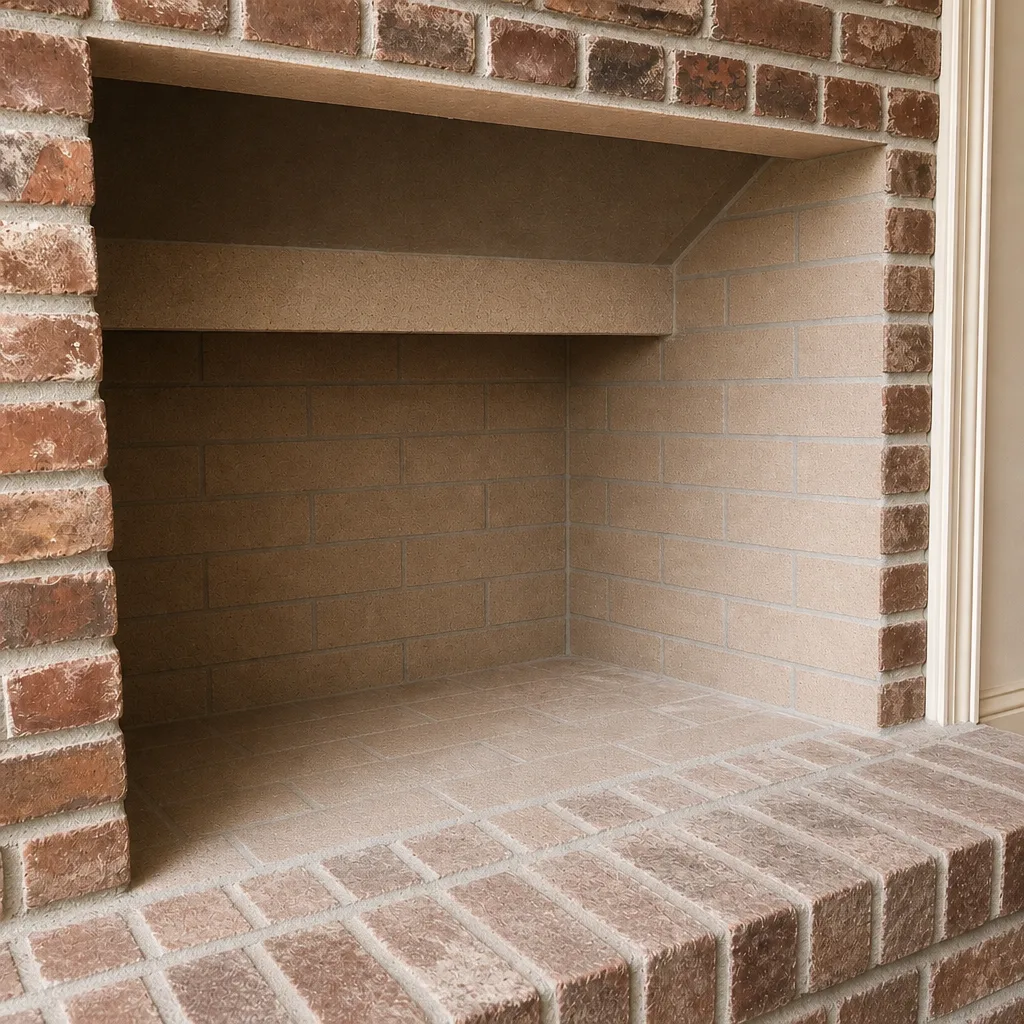 After
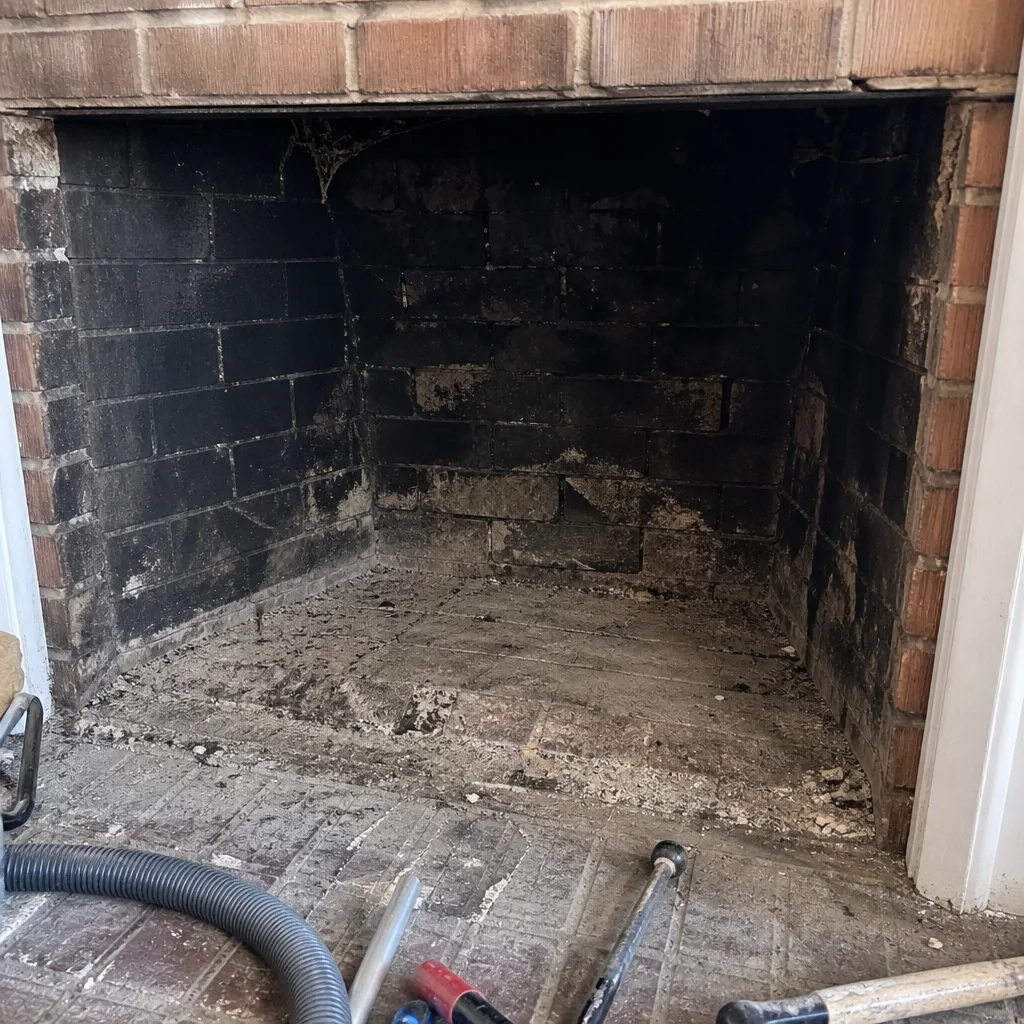 Before
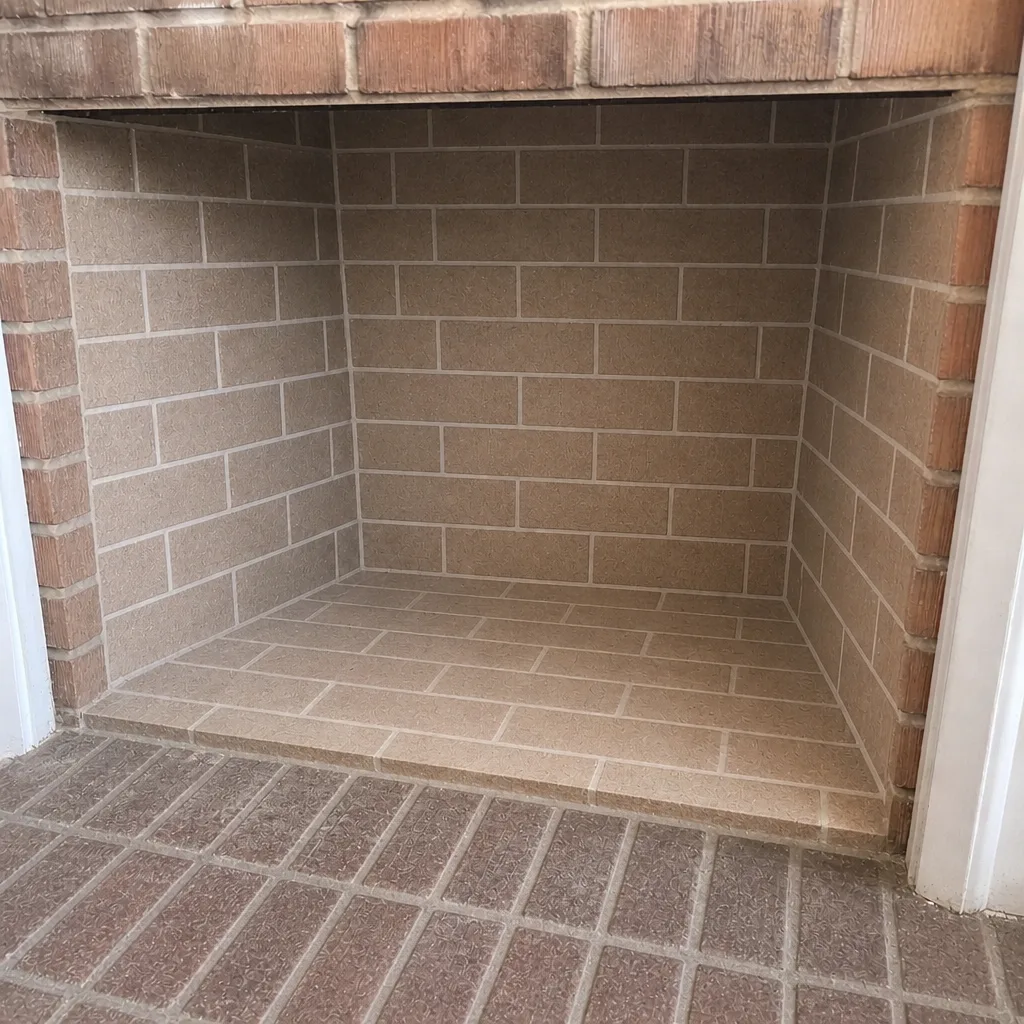 After
When to Call a Professional
Call a professional before you burn if your flue hasn’t been inspected, if you’re buying a home in Far North Dallas, if you see cracks or rust at the cap or crown, or if your chimney backdrafts smoke or smells when idle. Call sooner if you hear an animal above the damper, if you’ve had a chimney fire (even a small one), or if anyone in the household reports headaches or fumes when the fireplace is running. Carbon monoxide risk and chimney fire risk are real, but both are manageable with inspection and proper maintenance; they’re not a reason to panic, they’re a reason to schedule. Chimney Sweep Far North Dallas offers free estimates in Far North Dallas. Call (866) 937-8051 to schedule.
Frequently Asked Questions
Ask for CSIA certification, proof of insurance, a written inspection report with photos, and the names of the materials used for any repair. Legitimate contractors answer all four without hesitation. Texas doesn’t license chimney sweeps, so these credentials are the real filter.
No. Texas does not require a license to perform chimney sweeps, which means the certification question is on you. Ask about CSIA or NFI certification directly, and ask which technician is coming to your home.
Once a year for a fireplace you use regularly, and more often if you burn heavily or burn wood that produces creosote quickly. A home you just bought should be inspected before the first fire regardless of its history. Call (866) 937-8051 for a free estimate on a sweep and inspection.
Photos of the flue interior before and after, the inspection level performed, a condition statement for each chimney component, and itemized repair recommendations with materials named. You should be able to cross-check the report against NFPA 211 standards. If you don’t get one, ask for it before paying.
You pay for one arrival, one inspection, and one written scope instead of two. It also eliminates the gap where two companies disagree about the repair. Sweep-only is fine when nothing else needs doing; the inspection tells you which case you’re in.
Sometimes yes, and a good contractor will tell you which repairs are urgent and which can safely wait. Water intrusion through a failed crown and clearance issues that affect fire safety shouldn’t wait. Cosmetic issues usually can. Ask directly and get the answer in writing.
The Bottom Line
Hiring a chimney contractor in Far North Dallas comes down to separating diagnosis from cleaning. Anyone can sweep a flue; the value is in a certified technician who inspects, documents with photos, names the materials, and tells you honestly what needs repair and what can wait. Ask the five questions, demand the written report, cross-check against NFPA 211, and prefer a company that handles the whole system over one that refers out its findings. A Chimney Sweep Far North Dallas that also handles chimney cap & crown and fireplace repair keeps the scope, the materials, and the accountability in one place. Schedule before burning season, not after the fireplace starts smoking.
Call (866) 937-8051 for a free estimate. We answer 24/7. Fast dispatch from 7am to 7pm, Sunday through Friday.
Written by the team at Chimney Sweep Far North Dallas.