
Last updated November 25, 2026
 Sweep & inspection
 Caps & crowns
 Flue relining
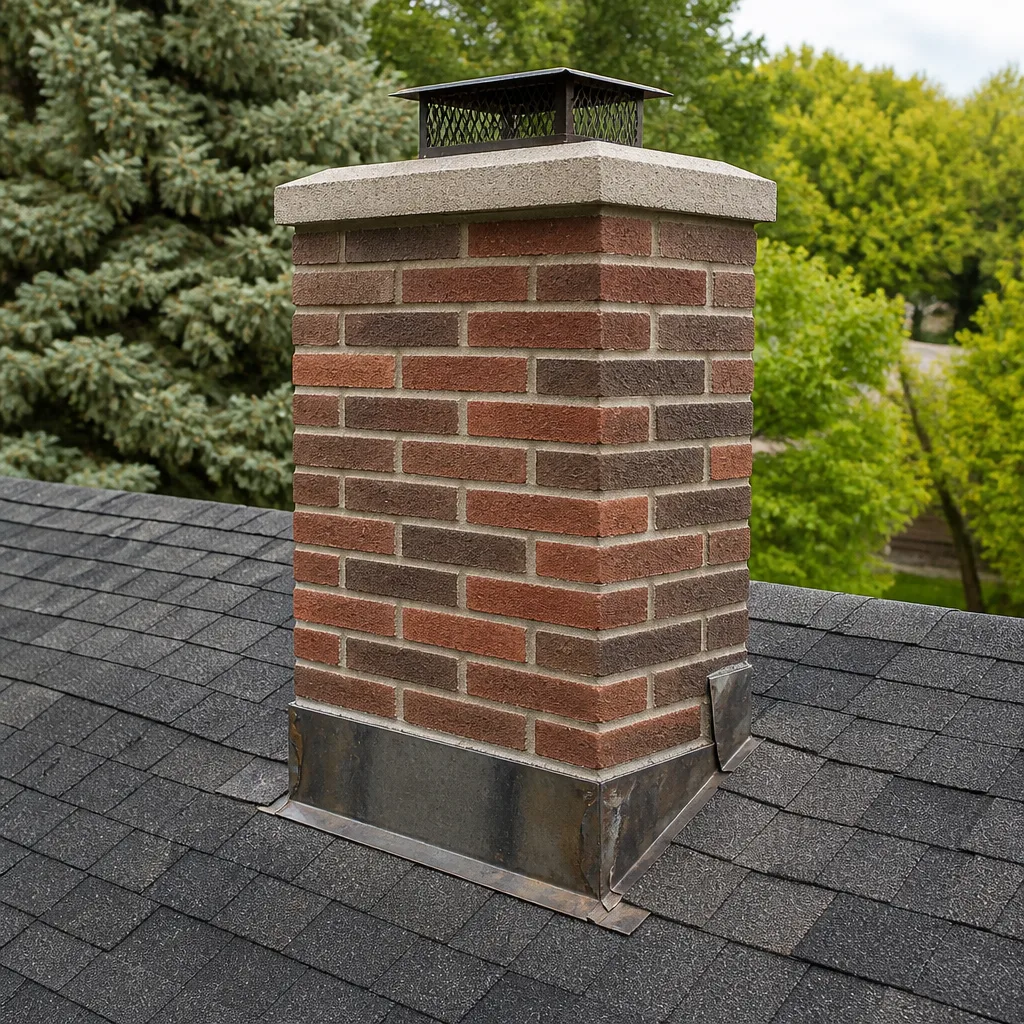 Masonry repair
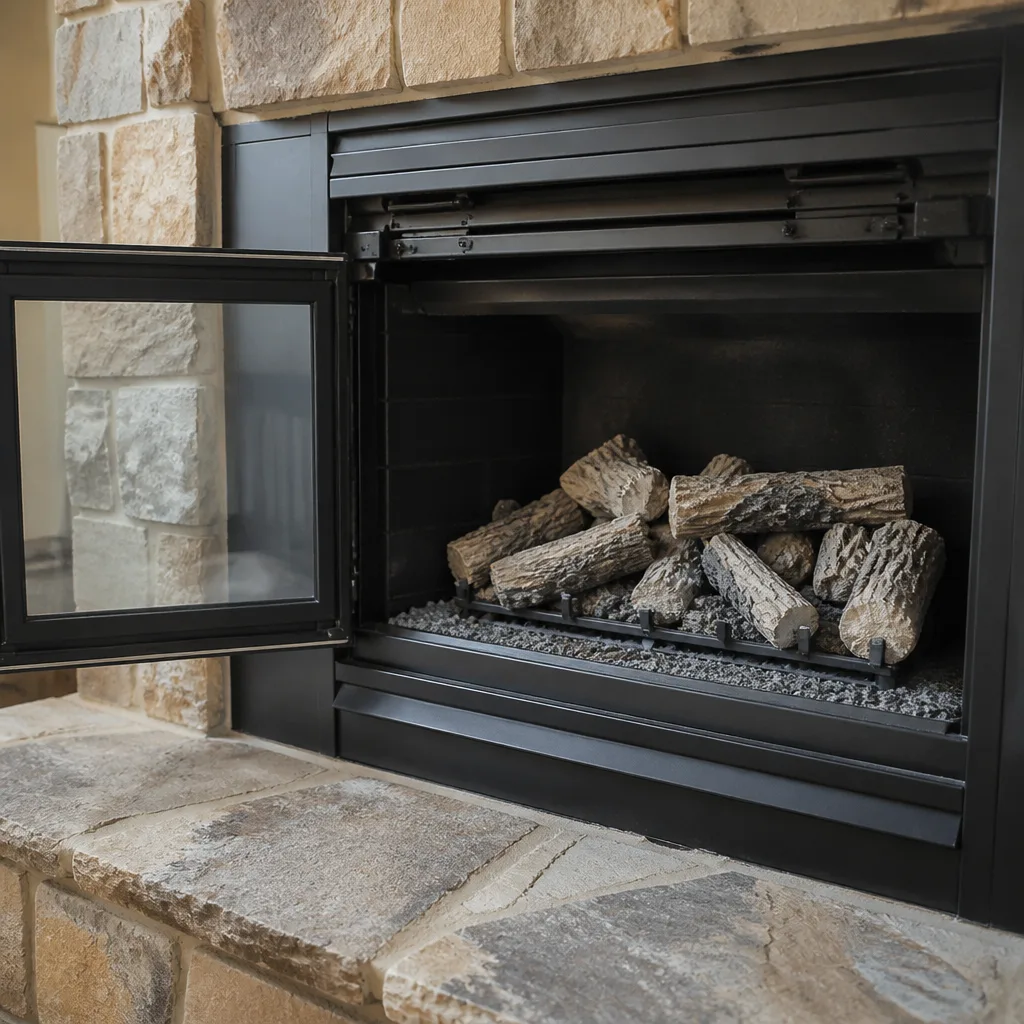 Gas fireplace service
Level 1 sweep and inspection to the NFPA 211 annual standard - flue, crown, cap, and flashing checked and photographed
Chimney sweep logs do not sweep chimneys. They loosen some creosote - which then falls where a brush and vacuum still have to collect it.
Chimney Cleaning Warning Signs: A Far North Dallas Homeowner’s Reference Guide
The warning sign most Far North Dallas homeowners act on is the one they can see: a blackened firebox, a puff of smoke into the room, a cap lying in the yard. The signs that actually prevent expensive damage are quieter than that. A faint smoky smell in July when the fireplace has sat cold for months, a fire that takes two matches to catch, a white chalky film on the firebox brick, a thin gap in the mortar where the chimney meets the roofline. None of these look urgent. Each one tells you something specific about the condition of your chimney system, and each points to a different action. This guide translates those signals into plain language and plain decisions, written from Far North Dallas, where mild winters mean creosote and moisture do their damage slowly and out of sight.
Styles & brands we work with
- Sweep & inspection
- Caps & crowns
- Flue relining
- Masonry repair
- Gas fireplace service
Quick Answer
The chimney cleaning warning signs that matter most in Far North Dallas are draft changes, new odors, and exterior damage you can see from the ground – not just visible soot. If you smell smoke in the house when the fireplace is off, see white staining or rust inside the firebox, or spot a cracked crown or loose cap, book a cleaning and inspection before your next fire. Sudden smoke rollout, a strong chemical smell, or a damaged flue calls for stopping use until a technician looks at it.
Table of Contents
- Draft Signals: What Your Fireplace Tells You Before You Light It
- Odor Signals: Reading Smells Correctly
- Firebox and Flue Signals You Can See Inside
- Exterior Warning Signs You Can See From the Ground
- What’s Normal for a Far North Dallas Chimney and What Isn’t
- Cleaning or Stop-Use: A Clear Decision Tree
- How Often to Sweep and When to Schedule in Far North Dallas
- Common Mistakes to Avoid
- When to Call a Professional
- Frequently Asked Questions
- The Bottom Line
Draft Signals: What Your Fireplace Tells You Before You Light It
Draft is the single best early indicator of chimney health, and it’s the one most homeowners never check. Draft is the movement of air up and out of the flue. When it’s working, your fire catches quickly, burns hot, and sends smoke up the chimney. When it’s not, you get one of three symptoms, and each points at a different part of the system.
Slow ignition
A fire that needs two or three matches, or one that smolders before it finally catches, usually means the flue isn’t pulling air the way it should. A partial obstruction from creosote buildup, a closed or partly closed damper, or a flue that’s cooler than the room can all slow ignition. A warm flue drafts better, but a chronic slow start points to buildup or a restriction that a technician should check. This is the most common draft complaint we hear in Far North Dallas, where fireplaces sit unused for months and the first fires of the season often struggle.
Backdrafting and smoke rollout
Smoke that rolls out of the firebox into the room instead of going up the flue is backdrafting, and it’s a real signal. It can come from negative pressure inside the house – a kitchen exhaust fan or dryer pulling air the wrong way – or from a flue that’s partially blocked. If smoke rollouts happen every time you light a fire, treat it as a reason to have the flue inspected before you keep using the fireplace. Smoke in the room is smoke you’re breathing.
What a compromised cap or liner does to draft
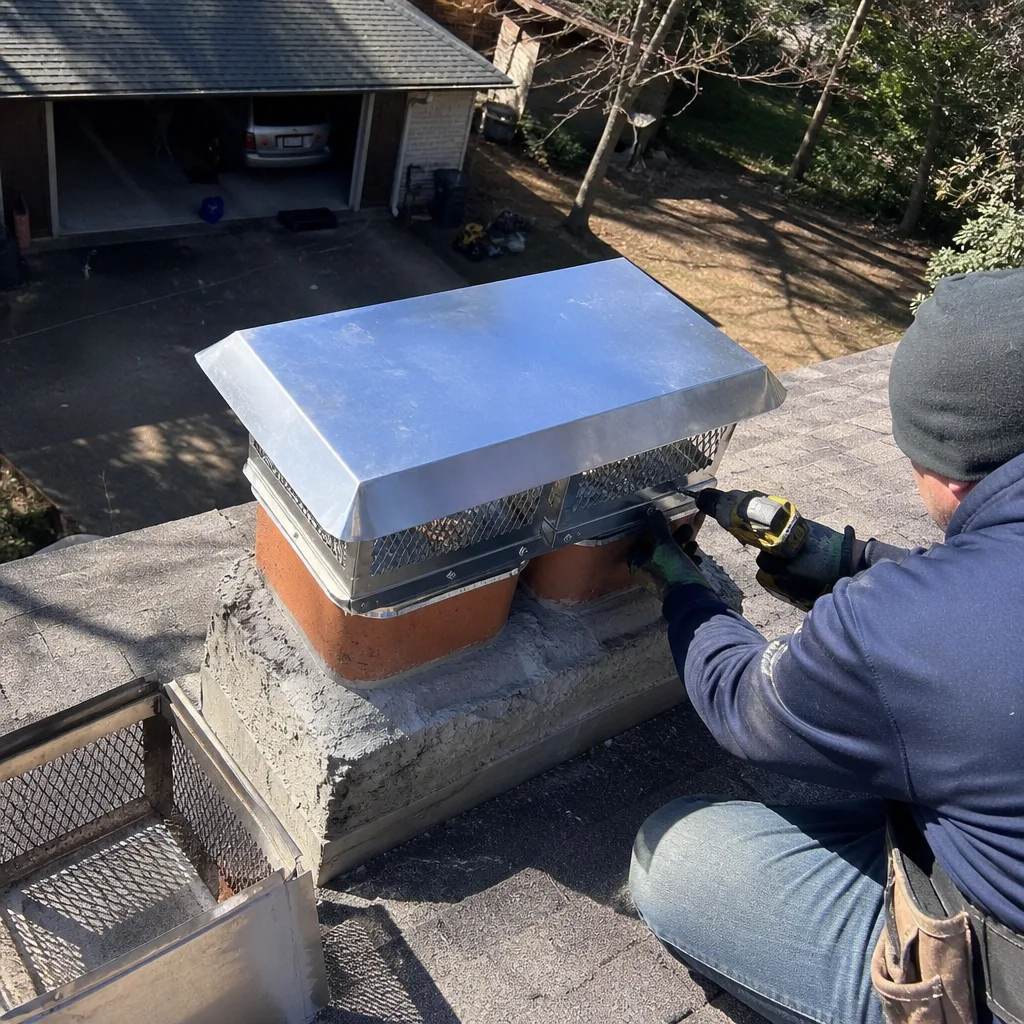
A cap that’s been knocked loose by wind or shifted by an animal can let air and moisture in and change how the flue drafts. A cracked or deteriorating liner creates gaps that let the flue draw air from the wrong place, which weakens the draft and lets combustion gases escape into the structure instead of up and out. When we inspect, that’s exactly what we look for: the cap at the top of the system and the liner from the firebox down to the crown. If the liner has deteriorated but isn’t fully failed, chimney repair with HeatShield ceramic resurfacing can restore it without tearing out the chimney.
Odor Signals: Reading Smells Correctly
Smell is the most misunderstood warning sign, because almost every chimney has some smoke odor and it’s easy to lump all the smells together. They aren’t the same. A faint smoke smell after you’ve burned a fire is normal. A smoky smell in the house when nothing’s been burned in months is not, and it usually points at one of three problems.
A smoky smell during summer
When the fireplace hasn’t been used in weeks and the house still smells like smoke, the cause is almost never the leftover smoke from your last fire. In Far North Dallas’s hot, humid summers, the two usual culprits are:
- Creosote off-gassing. Creosote deposits on the flue walls release an acrid, smoky odor when the flue warms up or when humidity rises. The bigger the buildup, the stronger the smell.
- Moisture intrusion. A failed cap, a cracked crown, or deteriorated mortar lets water into the flue. Once the flue stays damp, the whole chimney smells like a wet ashtray, and that dampness speeds the deterioration of the liner and masonry.
Both of those are structural signals, not cosmetic ones. If your chimney smells in the middle of a Far North Dallas summer, book a chimney sweep and inspection so we can look at the flue and the exterior at the same time.
Animal and moisture odors
A dead-animal smell or the sour, musty smell of a damp flue is a different category altogether. An uncapped or damaged flue is an open door for birds, squirrels, and raccoons, and once something gets in and can’t get out, you’ll know within a few days. A musty smell points to water getting in from above. Both are reasons to inspect the cap and crown, and both are easier to fix than they are to ignore. We work on Gelco and Famco caps sized for the flue opening, with the goal of keeping water and animals out for good.
Firebox and Flue Signals You Can See Inside
Inside the firebox is where the slow, quiet damage shows up first, because the firebox and the lower flue sit at the point where heat and moisture do their worst work. You can check these yourself with a flashlight before you call anyone. Four things are worth looking for.
White efflorescence
A white, chalky, powdery film on the firebox brick or the inside of the firebox walls is efflorescence. It’s the mineral residue left behind when moisture pushes through brick or masonry and evaporates on the surface. Efflorescence is the visible fingerprint of water moving through the chimney structure. It doesn’t mean the chimney is unsafe right now, but it does mean water is getting in from somewhere – most often the crown or the cap above.
Rust staining
Rust on the firebox, the damper, or any metal component inside the firebox is another moisture signal. Firebox metal doesn’t rust from the heat of the fire. It rusts because it’s getting wet, usually from rain reaching down the flue past a compromised cap or a cracked crown. Rust on a damper is worth taking seriously because the damper is one of the parts that keeps your house separate from the flue.
Spalled brick and deteriorating mortar joints
Spalled brick is brick whose face is flaking or popping off, and it’s what happens when moisture inside the masonry expands and contracts over time. Deteriorating mortar joints – the lines between the bricks that look sandy, crumbling, or recessed – are the same issue one step further along. Inside the firebox, both are signs of a moisture problem. On the exterior of the chimney, they’re a sign the chimney is losing structural integrity. Neither is a “wash it and forget it” cosmetic issue.
A deteriorated liner
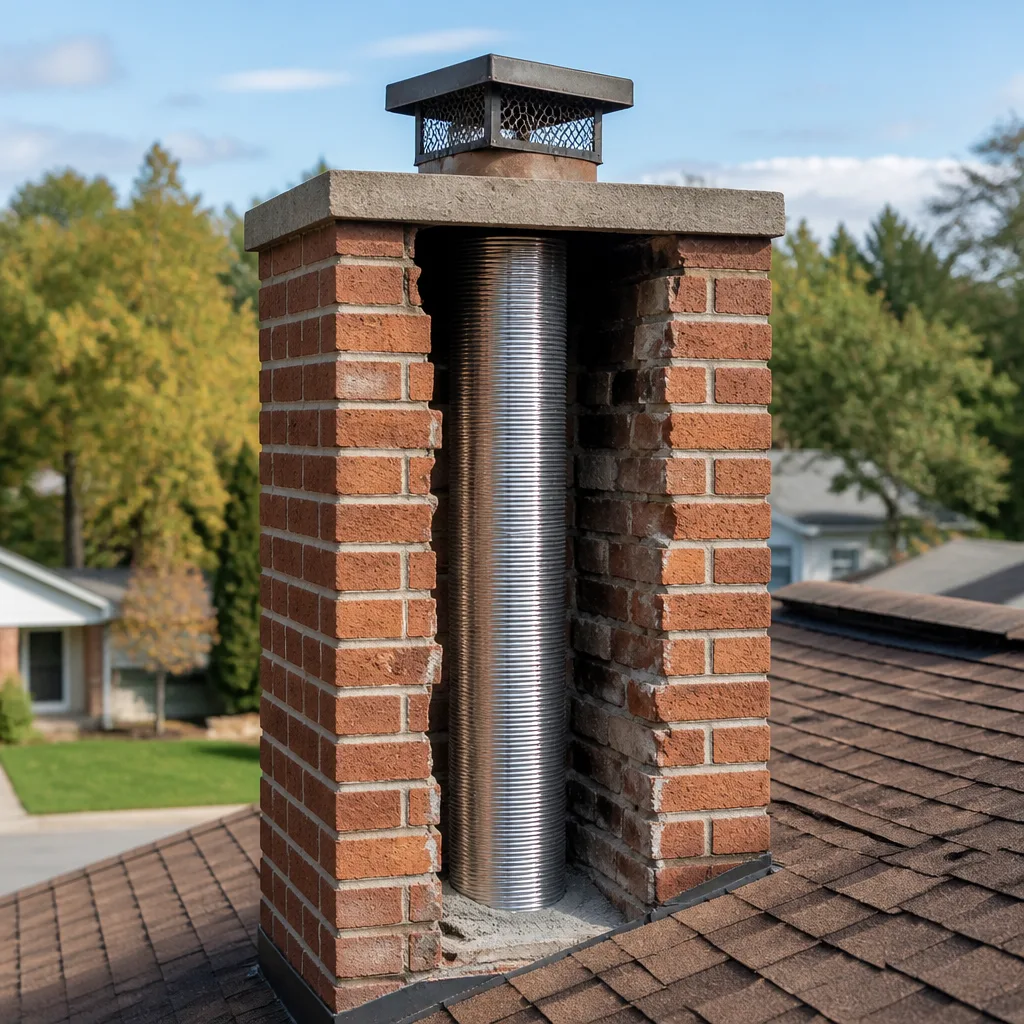
If you can see the inside of the flue from the firebox and the surfaces are cracked, flaking, or missing in patches, the liner has deteriorated. That’s a stop-and-call situation. A failed liner no longer contains the combustion gases and the heat of the fire the way it’s supposed to. HeatShield ceramic resurfacing can repair a liner that’s deteriorated but structurally intact; DuraFlex flexible liners are the option when the existing flue has to be relined. Either way, the decision has to follow an inspection, not a guess.
Exterior Warning Signs You Can See From the Ground
Many of the most serious warning signs are visible without getting on the roof. A homeowner can safely check these from the ground with the naked eye or a pair of binoculars. If you see anything off, stop looking up and call a technician for the roof-level work – don’t climb up yourself.
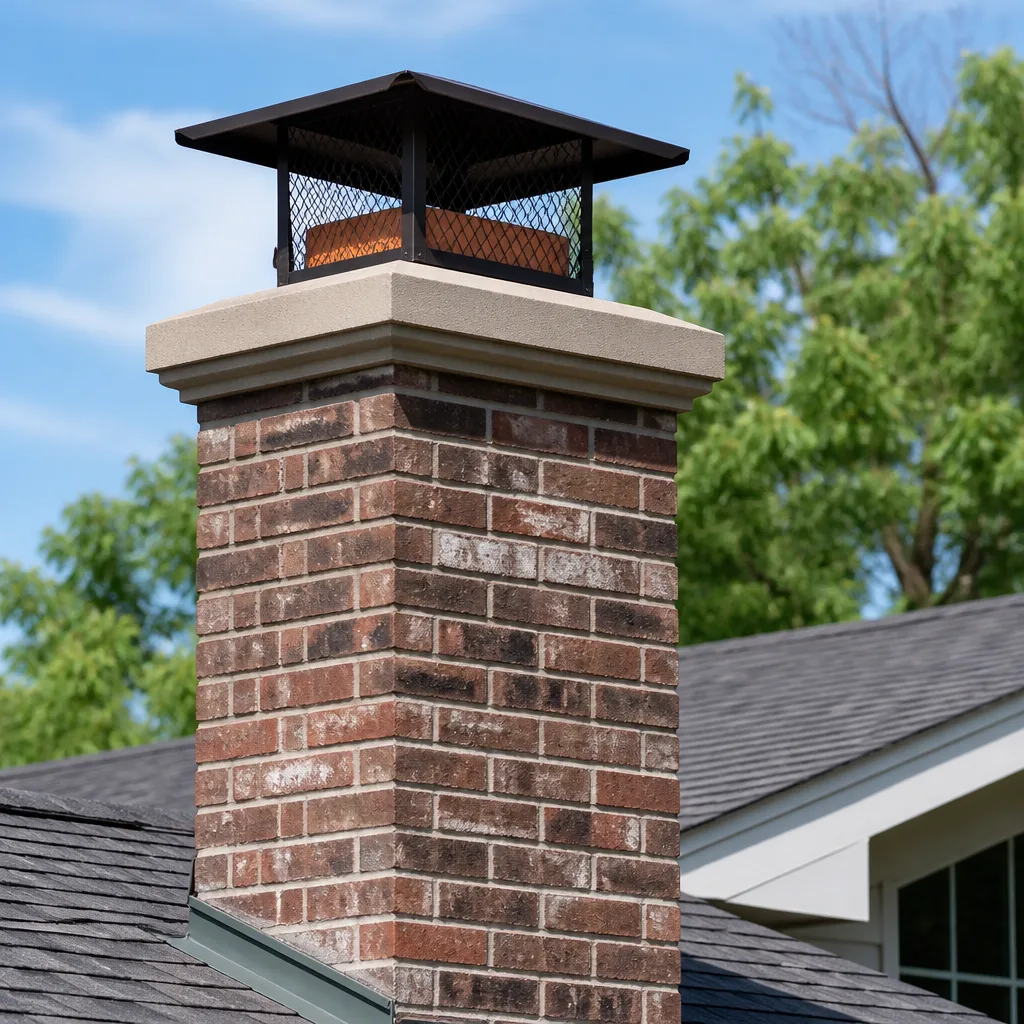
- Cap displacement. The cap should sit level over the flue opening. If it’s tilted, sitting off to one side, or simply missing, the flue is open to rain, animals, and debris until it’s replaced. A loose cap also signals that the last big storm did more damage than is visible from below.
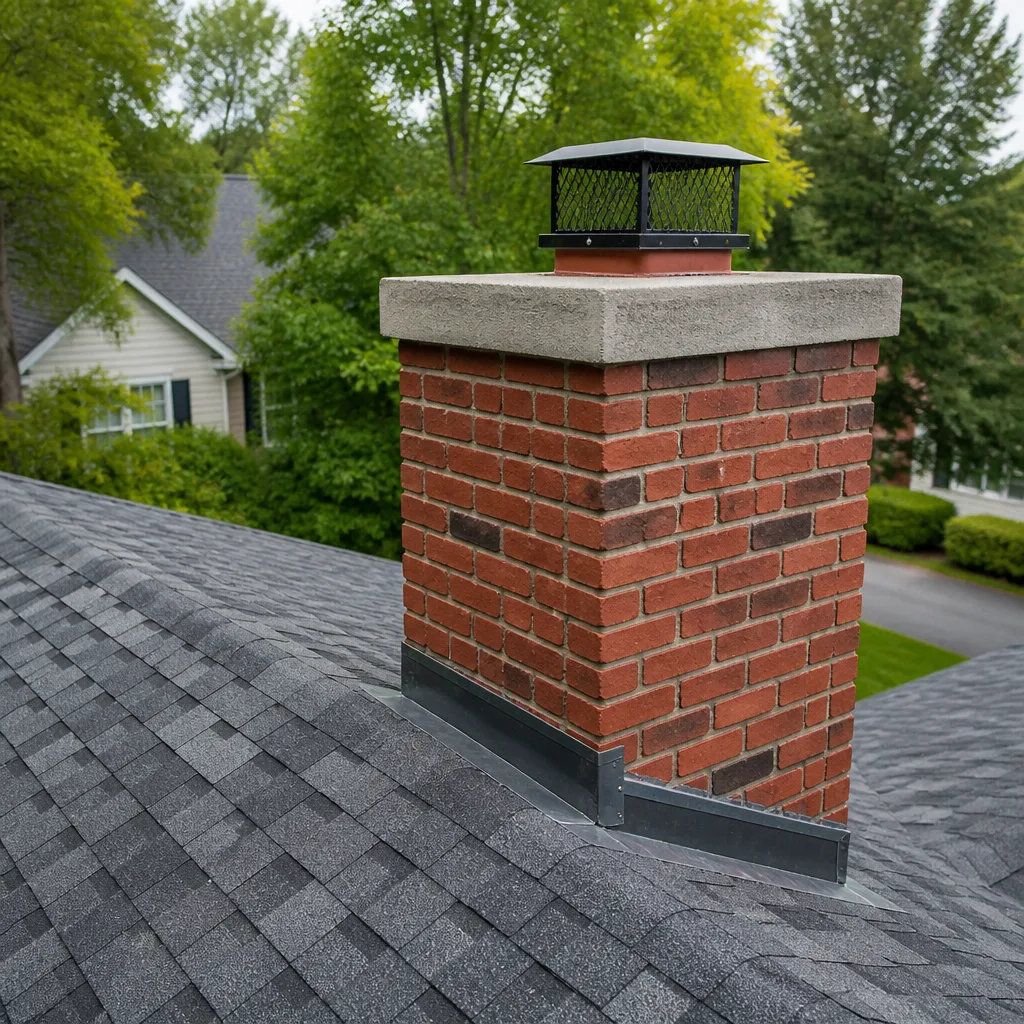
- Crown cracking. The crown is the concrete or mortar surface that sits on top of the chimney and sheds water away from the flue. Hairline cracks are worth watching; larger cracks, cracks that reach the edge, or a crown that’s crumbly or detached are an open invitation for water to get in and for the crown to fail further.
- Mortar line gaps at the roofline. The joints between the bricks should be tight and consistent. Gaps, missing chunks, or sandy mortar at the roofline mean the chimney masonry is weathering and taking on water. This is a common sight on Far North Dallas homes because the sun and long dry spells take a toll on exterior mortar.
- Lean or separation. A chimney that’s leaning, or that has pulled away from the house, is a structural concern and a reason to stop using the fireplace while it’s assessed. That’s not a cosmetic repair.
- Staining on the exterior. Dark or white staining running down the outside of the chimney is water tracking through the masonry, and it’s often the first thing you notice from the driveway.
What’s Normal for a Far North Dallas Chimney and What Isn’t
Homeowners miss warning signs mostly because nobody tells them what normal looks like. Here’s the distinction, in Far North Dallas terms. A little residual smoke smell after a long burn is normal; a smoky smell in August is not. A thin deposit of soot on the firebox walls after a season of use is normal; white powder and rust are moisture signals. A little fine ash in the firebox is normal; an accumulation that grows over several seasons without a cleaning is not.
The local climate plays into this. Far North Dallas summers are hot and humid for a long stretch, and the fireplace sits idle for months while creep. That humidity pushes its way into masonry and flue surfaces. When the fireplace is used again in the fall, the flue warms up and any creosote deposits start to release their odor. Meanwhile, the home is closed up for air conditioning most of the summer, so odors that would drift away in an open house linger and concentrate.
Our technicians have up to 15 years of experience, and what they see most in Far North Dallas is the pattern of a fireplace that’s used regularly for a few cold months a year and then ignored for the rest. The chimney system is a year-round thing even when the fireplace isn’t. The deposits, the water, the animals, and the masonry movement all keep happening between fires.
One more distinction worth getting straight: a chimney that used to draft well and now doesn’t means something changed. A draft problem that appears suddenly is a warning; a fireplace that has always drafted a little slowly is a design or maintenance issue a technician can diagnose on inspection. Either way, “it’s always been like that” is not the same as “it’s fine.”
Cleaning or Stop-Use: A Clear Decision Tree
This is the part of the guide that turns warning signs into an actual decision. If you’re not sure which category a warning sign falls into, use this sequence. When in doubt, the safe response is to stop using the fireplace and have it inspected.
Book a cleaning and inspection (keep using it with care until the appointment)
- A faint smoke smell after burning, but not when the fireplace is cold.
- Slow but workable ignition, or a first fire of the season that takes a couple of tries.
- A known heavy season of use since the last sweep.
- Soot visible in the firebox but no white staining or rust.
- You haven’t had an inspection in more than a year.
Stop using the fireplace until a technician inspects it
- Smoke rolls out of the firebox into the room, consistently.
- White efflorescence, rust, or spalling brick inside the firebox.
- A visible crack, missing section, or flaking inside the flue.
- A strong chemical smell coming from the chimney, or any smell of combustion gas in the house.
- A cracked crown, a missing or displaced cap, or a chimney that’s leaning.
- Odors in the house during summer with the fireplace cold – inspect the cap, crown, and flue before you next light a fire.
Carbon monoxide and chimney fires are the two hazards behind the stop-use list. A blocked or failed flue can send combustion gases into the home instead of up and out, and a heavy creosote buildup can ignite inside the flue. We’re not going to tell you every chimney is an emergency – most aren’t. But if you see something on the stop-use list, don’t light the fireplace until a technician has looked at it. Have a carbon monoxide alarm on each level of the home as a basic backstop regardless of what the chimney is doing.
The right sequence is always the same: Chimney Sweep Far North Dallas first, then an honest recommendation based on what the inspection actually shows. We don’t recommend liner work, cap replacement, or masonry repair unless the inspection gives us a specific reason for it, and we can show you what we found.
How Often to Sweep and When to Schedule in Far North Dallas
Once a year is the baseline for a regularly used fireplace, and that’s where most homeowners in Far North Dallas should start. If you burn more than a cord of wood a season, or you’re burning a lot of green or unseasoned wood, a second cleaning partway through the season is worth considering. A fireplace that’s rarely used can go on the same yearly inspection interval, because the risk from moisture and animal intrusion doesn’t go away just because the fireplace stays cold.
Why timing matters here
The ideal schedule is early fall, before the first burn of the season. That way, the flue is clean and inspected before you actually need it, and any moisture damage from the long humid summer has a chance to be caught and repaired before the fireplace is in regular use. Far North Dallas winters are mild and the burning season is shorter than in colder parts of the country, which is one reason homeowners forget to schedule. The shorter season means the annual sweep has to be a deliberate appointment, not something the weather forces.
What a sweep actually includes
A proper chimney sweep is cleaning plus a look at the whole system, not just the flue. Expect a technician to clean the firebox and flue, remove soot and creosote, and then check the damper, the smoke chamber, the cap, the crown, and the visible portions of the liner. An inspection is a standalone service for a reason, and we treat it that way: an accurate condition assessment before any repair decision, not an upsell attached to the sweep. If the inspection turns up a repair, it’s quoted on its own with the price set by the written estimate.
What a repair decision should look like
When a sweep turns up a repair, the recommendation should match the severity of the finding. Not every deteriorated flue needs a liner. Not every cracked crown needs to be rebuilt. HeatShield ceramic resurfacing is a real alternative for a liner that’s deteriorated but structurally sound, and it’s the kind of repair that a general handyman can’t offer because it’s a specialist material. On the cap and crown side, a Gelco or Famco cap is a purpose-engineered component, not an improvised cover, and it protects the flue from water and animals on a long-term basis. Where the flue has to be relined, DuraFlex flexible liners cover wood, gas, and oil-burning appliances, which matters because Far North Dallas homes use all three.
Common Mistakes to Avoid
- Waiting for a visible problem before booking a sweep. Creosote, moisture intrusion, and a deteriorating liner all build up invisibly. By the time something is obvious, the repair is usually more involved than a cleaning would have been.
- Treating a summer smoke smell as a leftover odor. A smoky smell in a closed-up Far North Dallas home during the air-conditioning months points at creosote off-gassing or moisture intrusion. It’s a signal to inspect, not to air out the room.
- Climbing onto the roof to check the cap. You can see cap displacement and crown cracking from the ground. Roof-level work is a technician’s job; a fall is a much bigger problem than a damaged crown.
- Assuming a sweep is enough. A sweep cleans. An inspection tells you the condition of the cap, crown, and liner. They’re different services, and the repair decision needs the inspection.
- Letting an unqualified handyman reline a flue. Flue liner repair takes specialist materials like HeatShield and DuraFlex, and a general handyman isn’t set up for it. A second call to fix it costs more than doing it right the first time.
- Skipping the inspection after a home purchase. Buying a house in Far North Dallas without a chimney inspection means inheriting whatever the previous owner ignored, including a deteriorated liner, a damaged cap, or a moisture problem the last inspection never caught.
- Ignoring a change in draft. A fireplace that used to draw well and now doesn’t is telling you something changed. Don’t assume it’s the wood.
When to Call a Professional
Call a professional if you’re seeing anything on the stop-use list above, if your fireplace hasn’t been inspected in over a year, if you just bought a Far North Dallas home and don’t have a recent inspection report, or if you’ve noticed any of the draft or odor signals we’ve described. Also call if you see cap or crown damage from the ground, if a chimney smell persists in summer, or if you’re ready to schedule an annual chimney cap & crown check alongside your sweep. A cleaning appointment and an inspection together give you a full picture of the system.
Chimney Sweep Far North Dallas offers free estimates in Far North Dallas. Call (866) 937-8051. We answer 24/7. Fast dispatch from 7am to 7pm, Sunday through Friday. Where the inspection turns up damage, we handle the repair in-house too – cap, crown, liner, and fireplace repair – with materials from DuraFlex, HeatShield, Gelco, and Olympia Chimney, so there’s no need to call a second contractor for the flue, the cap, or the firebox.
Frequently Asked Questions
The price is set per job by the written estimate, so there’s no flat number before we’ve seen the chimney. We give you the sweep price up front before the appointment and the repair price only if the inspection turns up something that needs it. Call (866) 937-8051 for an exact quote – estimates are free.
Not always. A liner only needs replacing when the existing flue is deteriorated beyond what can be safely repaired. If the liner is deteriorated but structurally sound, HeatShield ceramic resurfacing can often restore it without tearing out the chimney. If it’s too far gone, DuraFlex flexible liners are the relining option. The decision has to come from the inspection, not a recommendation over the phone. Call (866) 937-8051 to book a free estimate.
Once a year for a regularly used fireplace, and yearly for the inspection even if you rarely burn. If you burn a lot of wood or a lot of unseasoned wood, a second cleaning partway through the season is worth considering. In Far North Dallas, where the burning season is shorter, the annual appointment is easy to forget, so it’s worth scheduling before the first fire. Call (866) 937-8051 to get on the schedule.
The slow problems keep developing: creosote keeps building up, moisture keeps working into the crown and liner, and animals get access to an uncapped flue. Most of it is invisible until something fails or until you get a professional inspection that finds it. Skipping the sweep doesn’t make the buildup go away. Call (866) 937-8051 for a free estimate on a sweep and inspection.
It’s usually creosote off-gassing or moisture intrusion, not leftover smoke from your last fire. Creosote deposits release odor when the flue warms up in the heat, and a damaged cap or crown lets water into the flue, which makes the whole chimney smell damp. In Far North Dallas’s humid summers, the house is closed up with the air conditioning on, so the smell lingers and concentrates. Book an inspection before the next burn season to find the source.
Some can and some can’t. A hairline crack in the crown that isn’t reaching the edge and isn’t letting visible water in can be watched; a cap that’s loose or missing, or a crown with a working crack, needs attention because water and animals get in and the damage grows. The way to know which you’re looking at is an inspection. Call (866) 937-8051 for a free estimate so we can tell you honestly whether it can wait.
The Bottom Line
The warning signs that matter most in Far North Dallas aren’t the dramatic ones. They’re the summer smoke smell in an otherwise closed-up house, the slow-igniting fire, the chalky film inside the firebox, and the cracked crown you can see from the driveway. Read together, those signals tell you where the problem is: the cap, the crown, the liner, or the damper. The decision is simple – if the sign is on the cleaning list, book an inspection; if it’s on the stop-use list, don’t light the fireplace until a technician has seen it. An inspection first, then an honest recommendation, is how the whole system gets handled properly, from the cap and crown down to the flue and firebox. Call (866) 937-8051 for a free estimate. We answer 24/7. Fast dispatch from 7am to 7pm, Sunday through Friday.
Written by the team at Chimney Sweep Far North Dallas.
See the difference
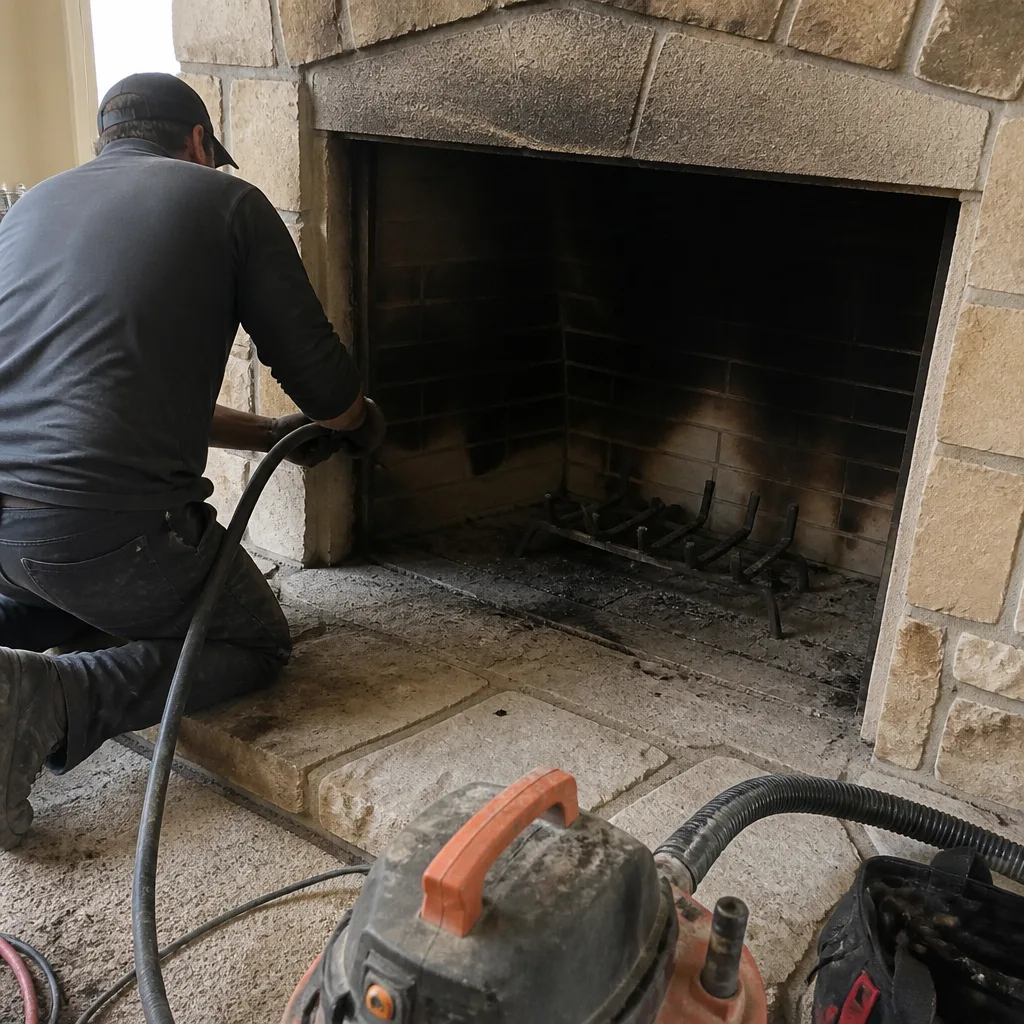 Before
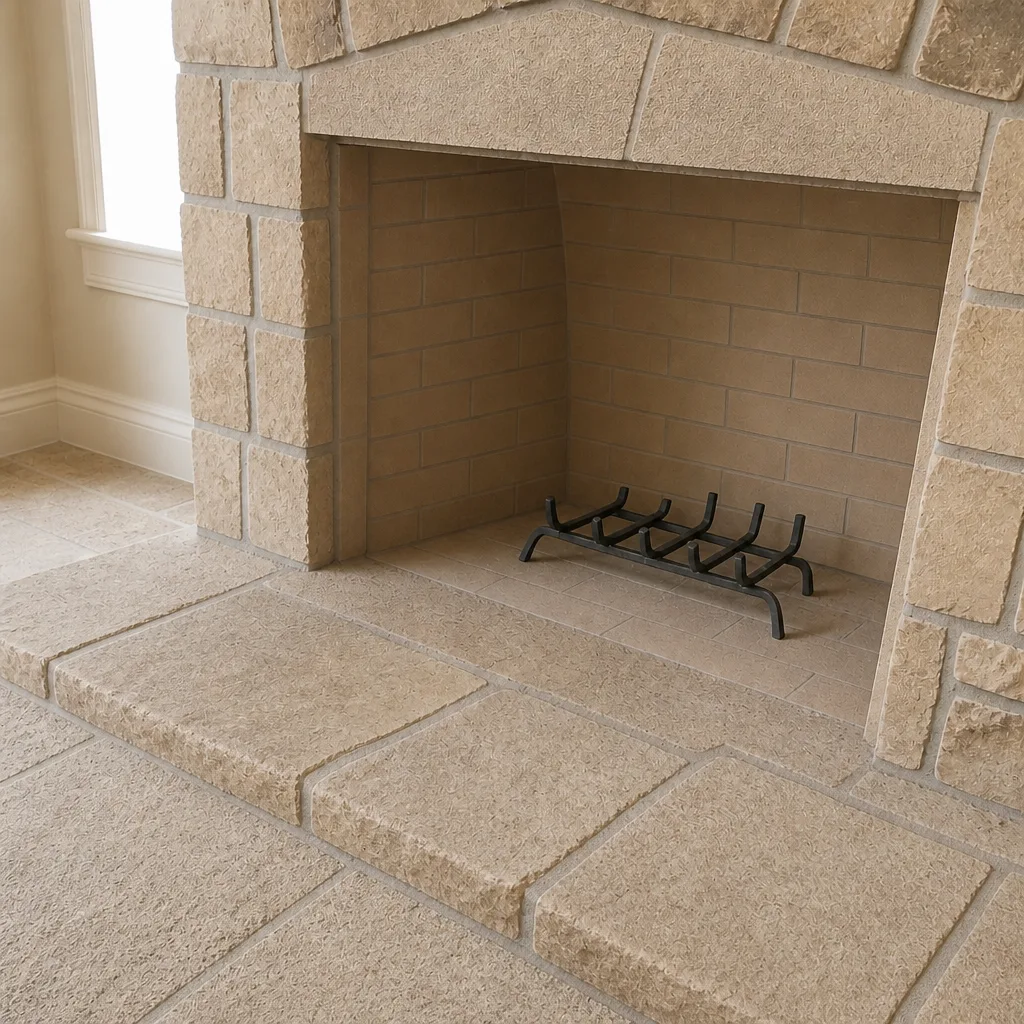 After
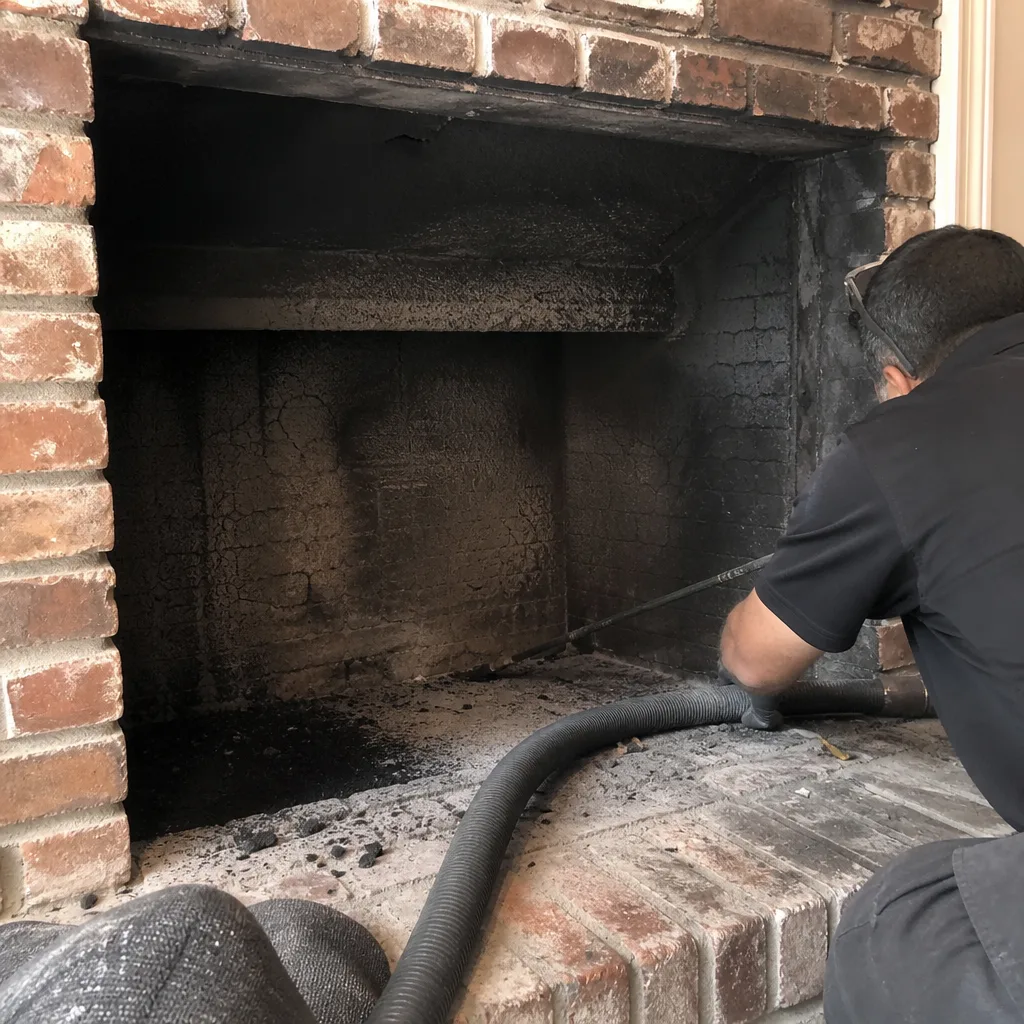 Before
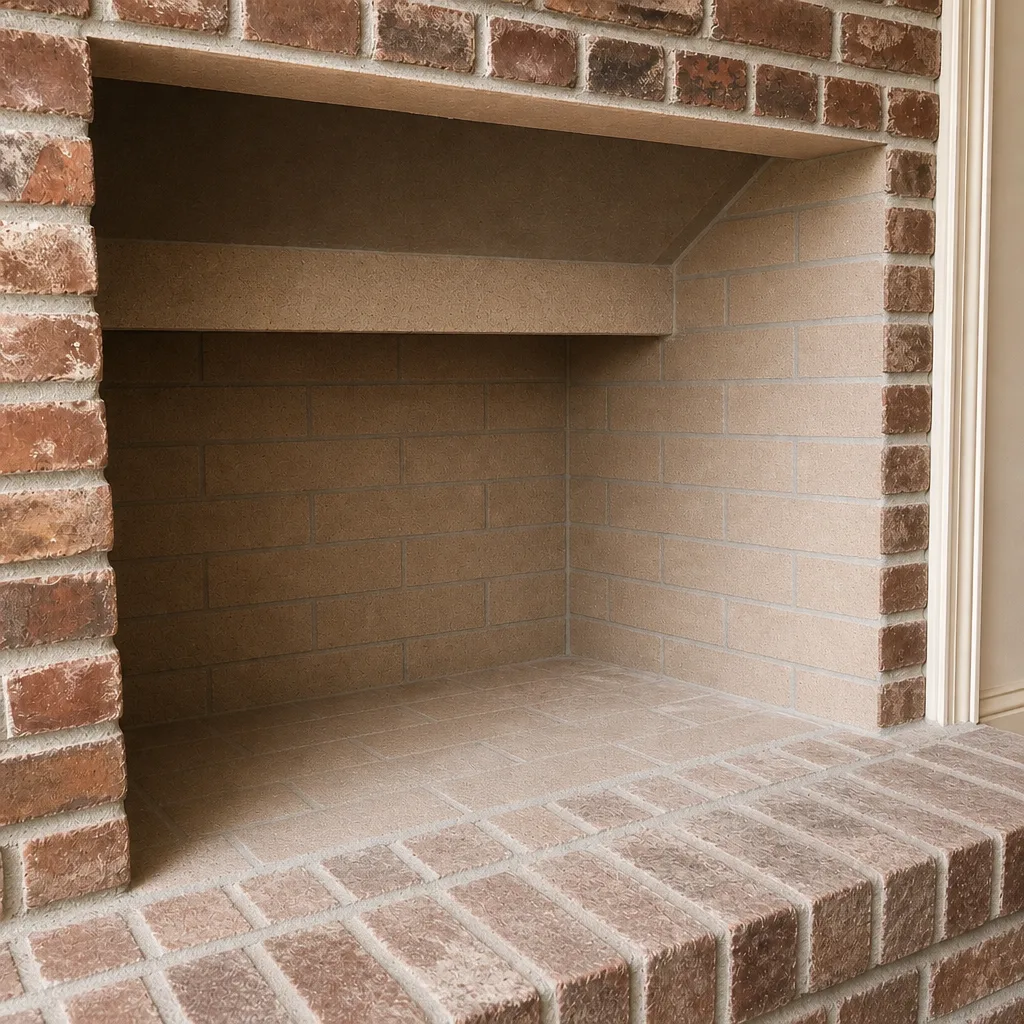 After
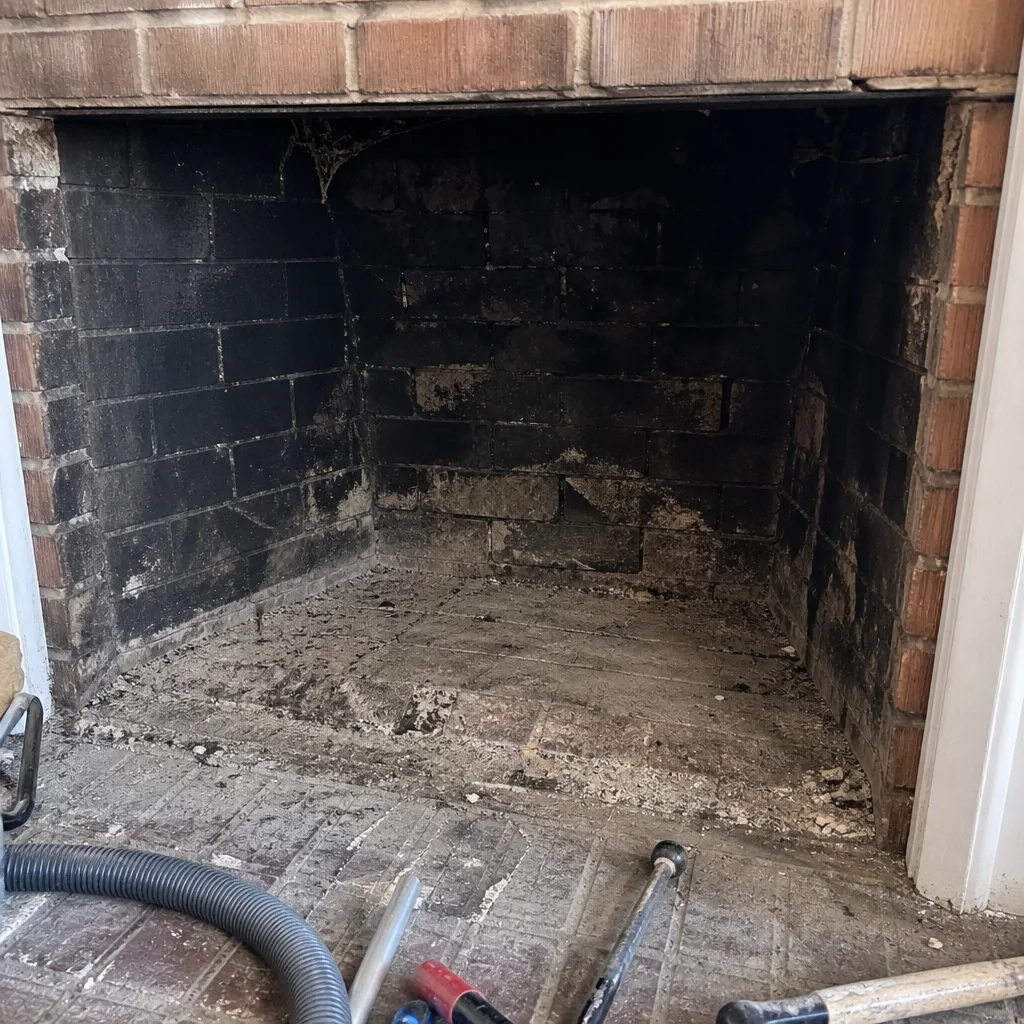 Before
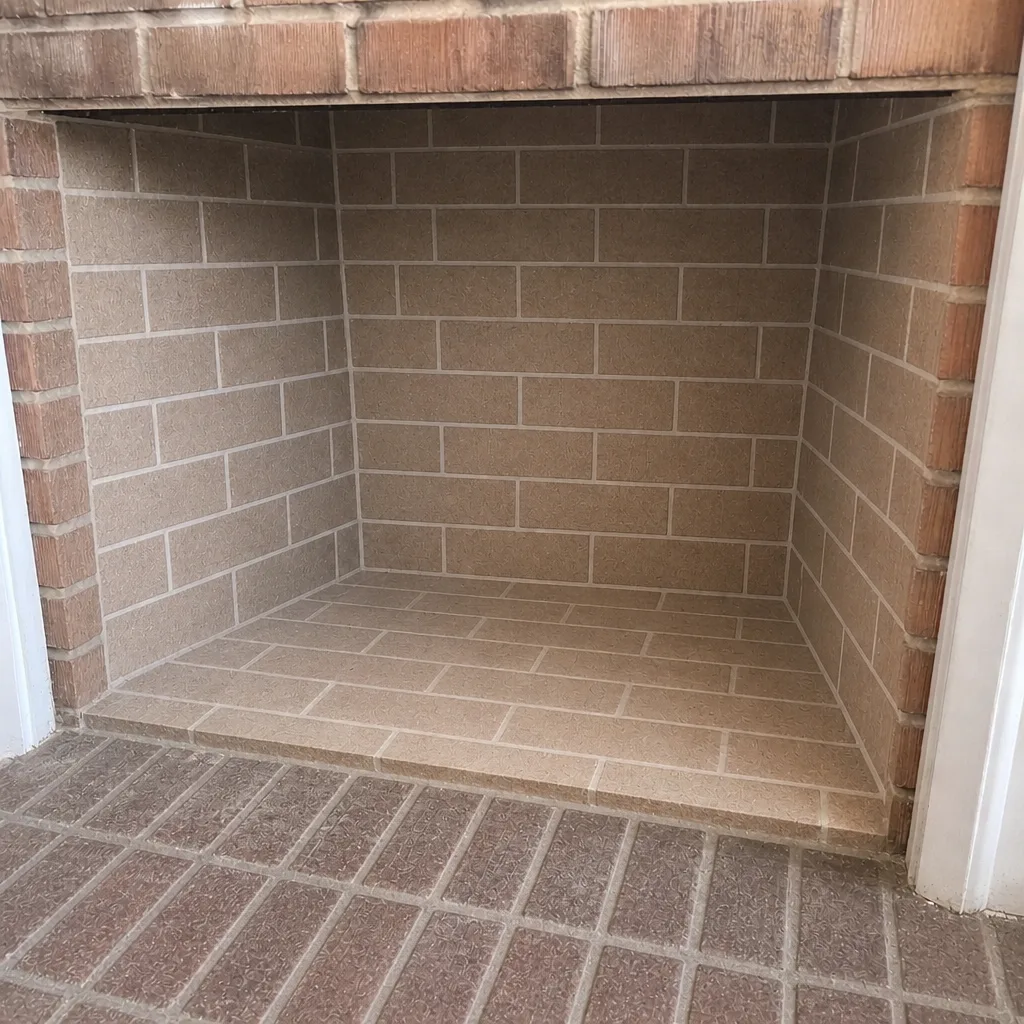 After