
Last updated November 25, 2026
 Sweep & inspection
 Caps & crowns
 Flue relining
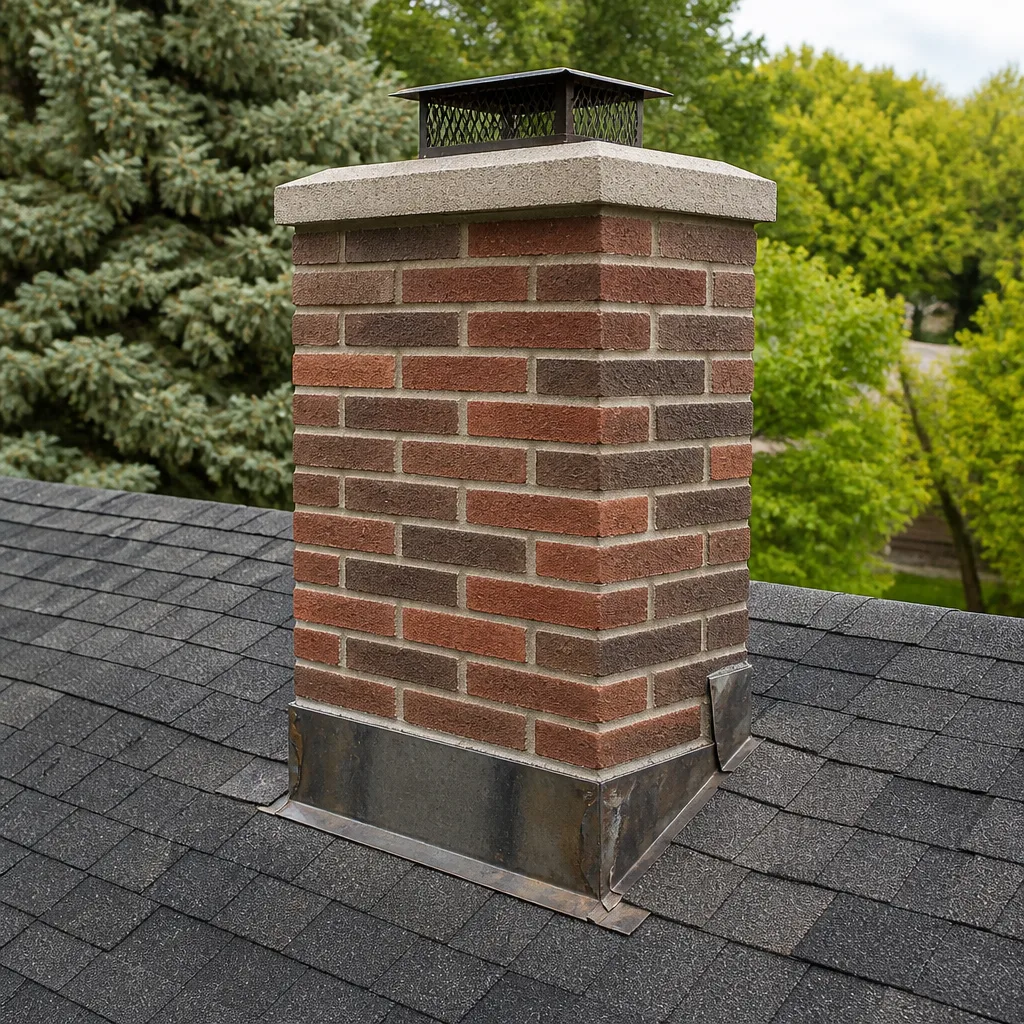 Masonry repair
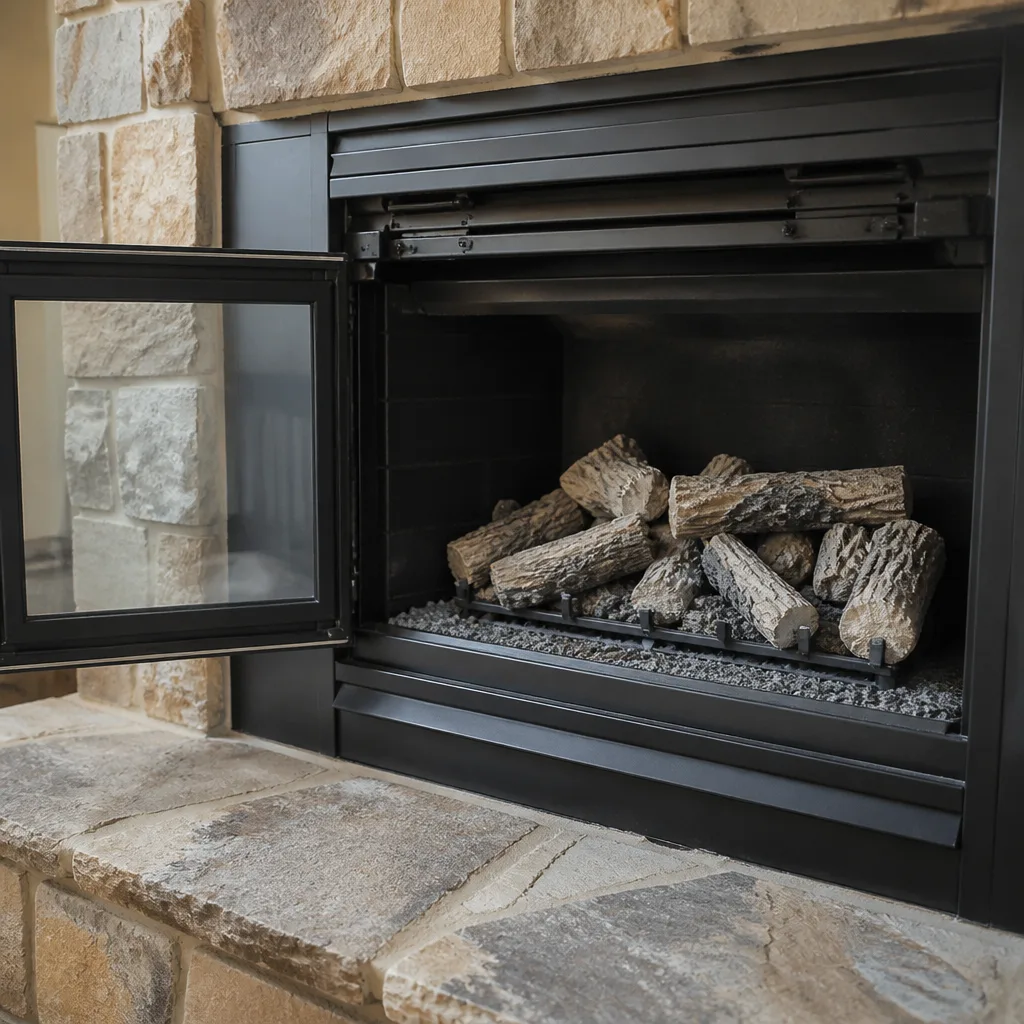 Gas fireplace service
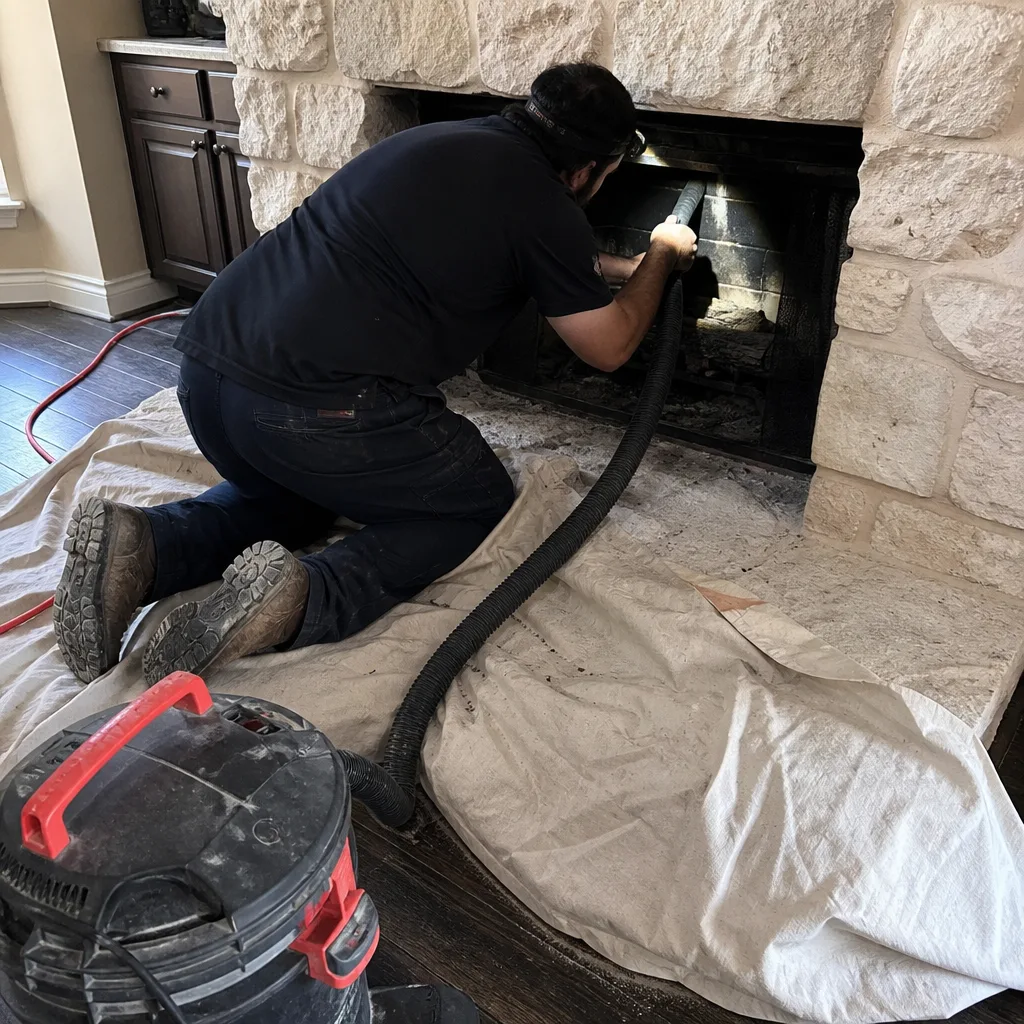
Level 1 sweep and inspection to the NFPA 211 annual standard - flue, crown, cap, and flashing checked and photographed
Chimney sweep logs do not sweep chimneys. They loosen some creosote - which then falls where a brush and vacuum still have to collect it.
Chimney Sweep Maintenance Checklist for Far North Dallas Homeowners
Most chimney maintenance advice floating around Far North Dallas is a single sentence: sweep it once a year. That advice ignores the parts of your chimney that actually fail first. In this part of North Texas, the flue is rarely the weak link. The crown at the top of the chimney, the cap over the flue opening, and the mortar joints in the stack take the brunt of the sun, the temperature swings, and the occasional hail storm. This guide walks through a task-by-task checklist tied to the seasons we actually have here, not a generic four-season script written for a colder part of the country. You’ll learn what to check from the ground, what needs a professional camera, and what to document between service visits.
Styles & brands we work with
- Sweep & inspection
- Caps & crowns
- Flue relining
- Masonry repair
- Gas fireplace service
Quick Answer
A Far North Dallas chimney checklist should run on three schedules: a pre-season check in September, a post-season check in March, and a storm-response check after any significant hail or wind event. The crown, cap, and mortar joints decline faster in this climate than the flue itself, so checklist those parts first. A professional camera inspection once a year catches what the eye can’t. Everything else is documentation you build between visits.
Table of Contents
- Why a Far North Dallas Checklist Looks Different
- Pre-Season Checklist: What to Do in September
- Post-Season Checklist: What to Do in March
- Storm-Response Checklist After Hail and Wind
- What to Document Between Service Visits
- Component Lifespan Reference
- Common Mistakes to Avoid
- When to Call a Professional
- Frequently Asked Questions
- The Bottom Line
Why a Far North Dallas Checklist Looks Different
Chimney maintenance in Far North Dallas isn’t the same job it is in a mountain town or a coastal city. Our winters are mild. We don’t get long months of below-freezing weather hammering the masonry. The flue rarely sits through a real freeze. But mild winters come with their own pattern of wear, and it hits the exterior of the chimney hardest.
Here’s what we’ve seen over years of inspections in this area. The temperature swings through fall, winter, and spring – warm afternoons followed by cool nights, over and over – work on the masonry in a slow, steady way. Mortar doesn’t crack all at once. It goes a little at a time, and the first place you notice it is usually the joints near the crown, up top where the sun and the cooling cycles are most intense. That’s the opposite of what most national chimney checklists tell you to watch, because those lists are written for climates with hard freezes and heavy snow load.
The other factor specific to our area is hail. Far North Dallas sits in a stretch of North Texas that gets its share of spring and early summer hailstorms. A chimney cap that’s been pounded by hail a few times can develop dents, dings, or loosened fasteners that let water in over the next wet season. The crown can take impact damage too. None of this shows up as a burn problem. It shows up months later as water stains on a ceiling or rust in the firebox.
So the checklist here is built around the parts that fail first in our climate: crown, cap, and mortar. The flue is still on the list, but it’s not the headline.
If you want the broader overview of how a professional sweep serves this area, start with our page on Chimney Sweep Far North Dallas.
Pre-Season Checklist: What to Do in September
September is the right time to run your pre-season checklist in Far North Dallas because it gives you a window to book any repair before you start using the fireplace. Fall is when fireplaces come back online, and repair schedules fill up. Checking in September means you have time to schedule an inspection, get a written recommendation, and still get the work done before the first fire of the season.
Some of this checklist you can do yourself from the ground. Some of it requires a professional with a camera. Knowing the difference saves you both time and money.
What you can check from the ground
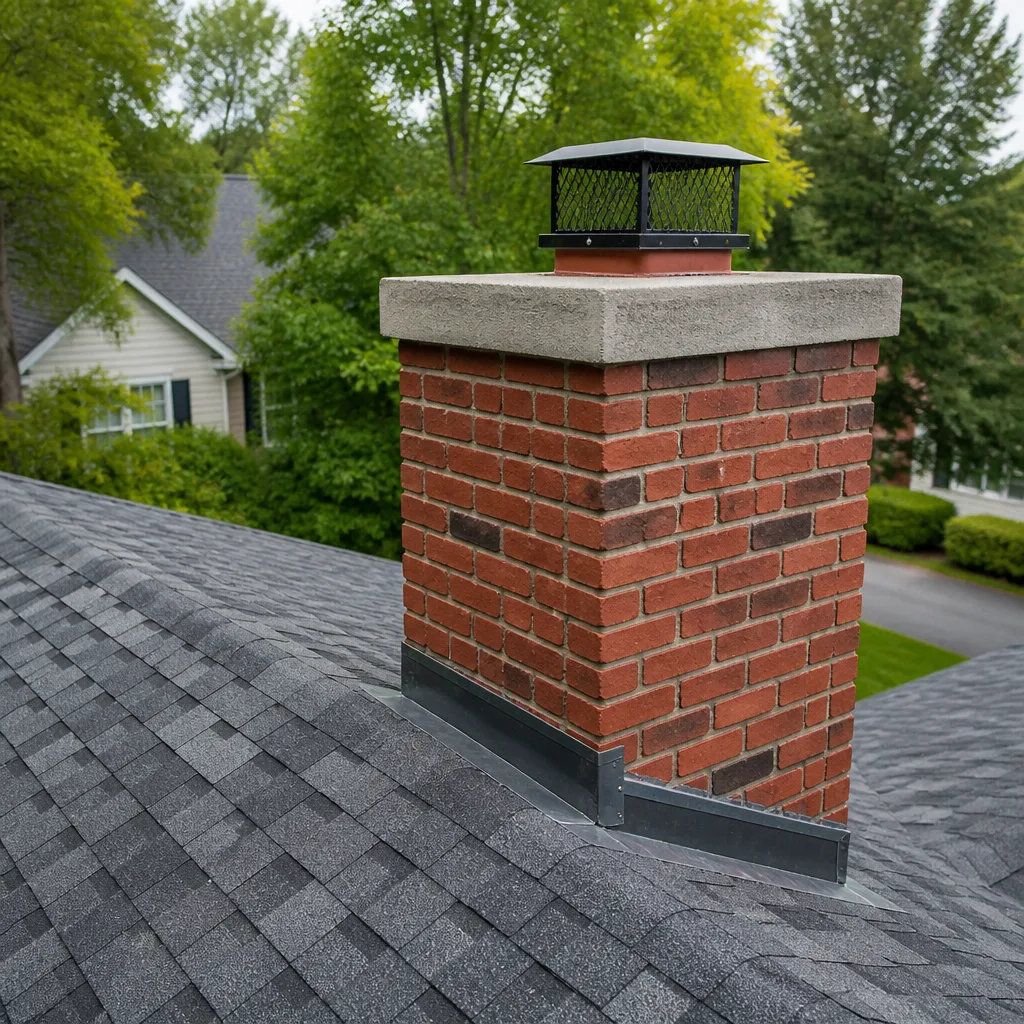
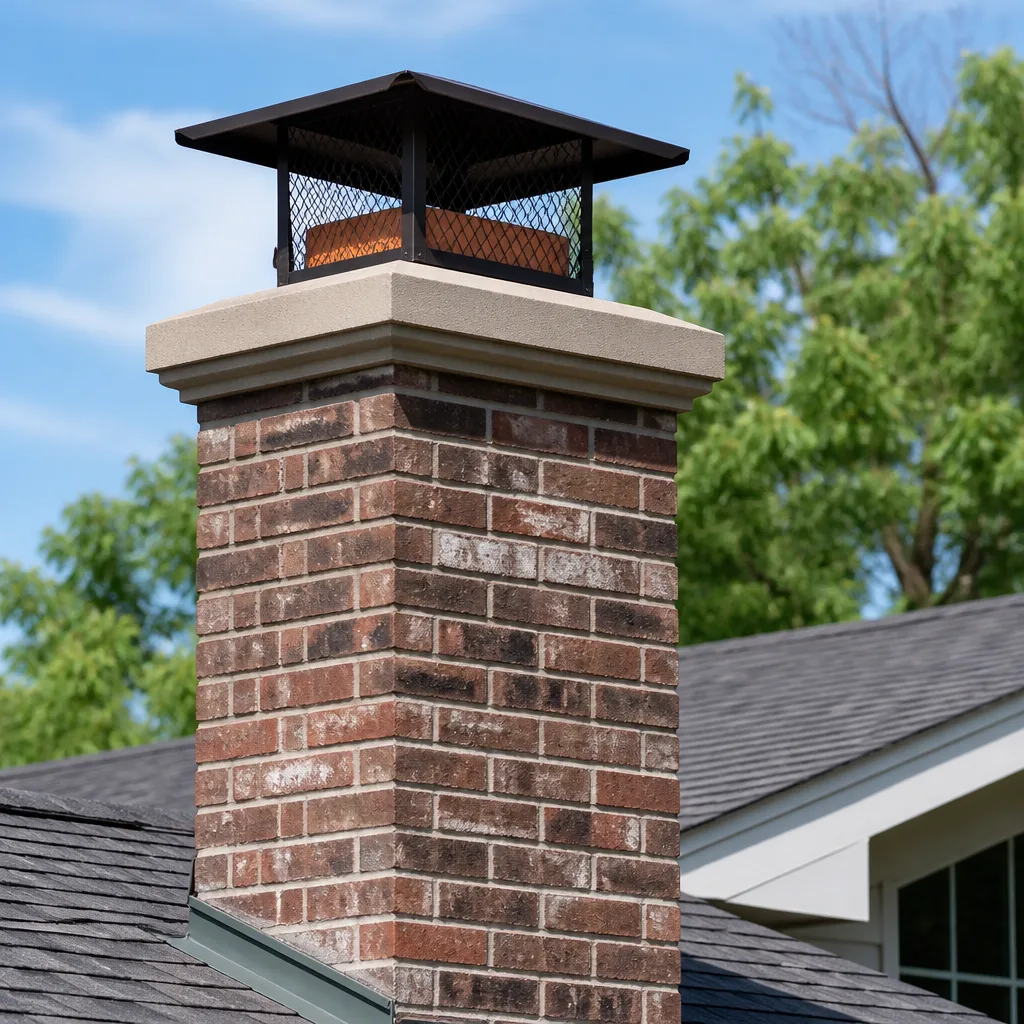
- Crown condition. Look at the top of the chimney from a safe spot on the ground with binoculars if you need them. A crown in good shape is a solid concrete cap at the top of the stack that slopes away from the flue opening so water runs off. Look for visible cracks, pieces missing, or a surface that looks soft or crumbly. A cracked crown is the number one cause of water intrusion we see in Far North Dallas.
- Cap presence and condition. Is there a cap over the flue opening? Is it intact, or does it look dented, tilted, or partially detached? A missing or damaged cap invites water, birds, and debris straight into the flue.
- Mortar joint appearance. Look for joints that are receding, or mortar that looks sandy or has fallen out between the bricks. Visible gaps along the stack are a sign that the masonry is losing its grip.
- Visible cracks in the brickwork. A crack that runs vertically through the brickwork, or stair-steps along the mortar, deserves a professional look.
- Signs of water staining or efflorescence. White chalky deposits on the brick or dark stains running down the stack suggest water is getting in somewhere.
- Damper operation. Open the damper and see that it moves freely. A damper that’s stuck open or stuck closed should be noted for the technician.
What requires a professional camera inspection
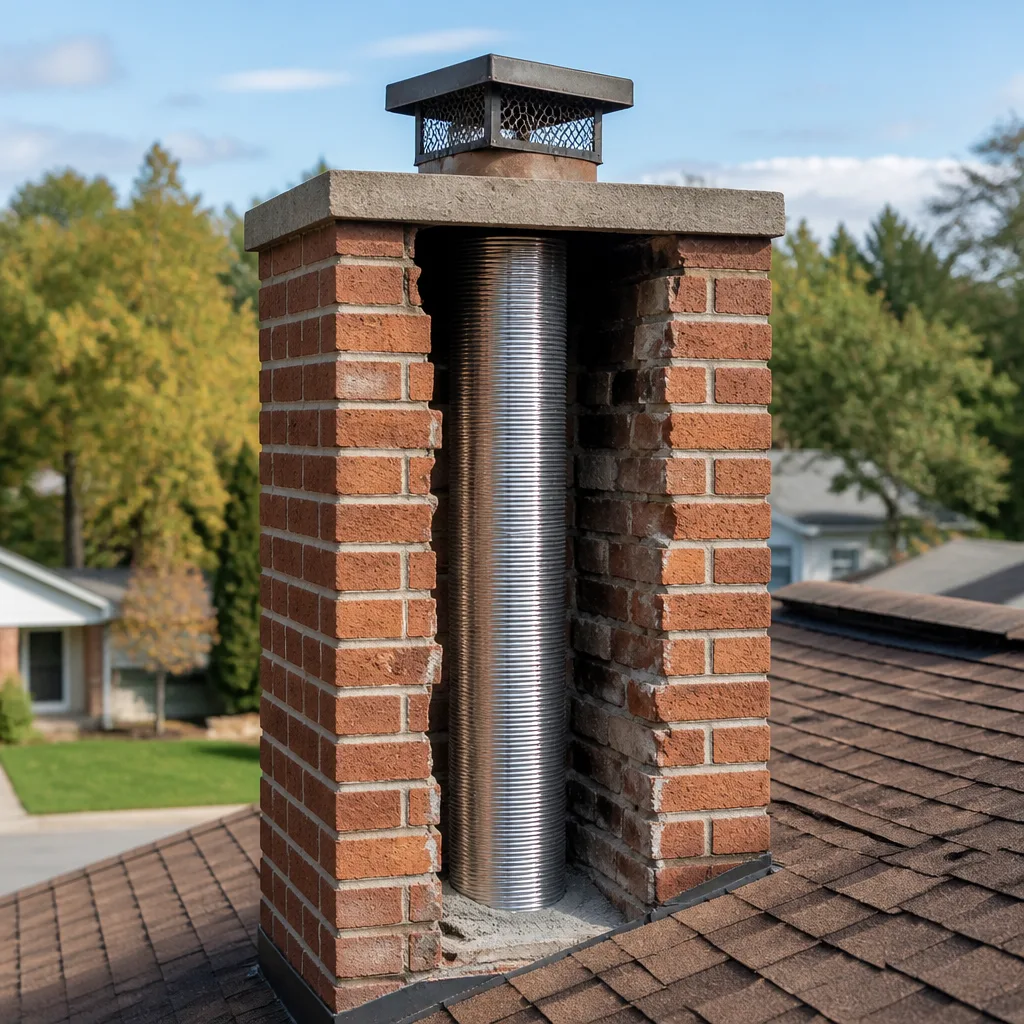
Some of the most important parts of your chimney you simply cannot see from the ground or from inside the firebox. That’s what the camera is for. A professional inspection with a camera lets the technician look at the inside of the flue from top to bottom, checking for cracks, gaps, deterioration, and the kind of buildup that wouldn’t show up in a visual check.
- The internal surface of the flue liner
- Creosote and soot buildup levels inside the flue
- Joints between flue liner sections
- The smoke chamber and the area above the damper
- The firebox and any cracks in its interior panels
An inspection is a standalone service, not just an upsell attached to a sweep. That matters because it means the camera inspection is the basis for any repair decision – not a guess from a visual check. If the camera shows a deteriorating liner but a repair isn’t urgent, you should hear that, and you should hear it clearly.
For a fuller picture of what pre-season work looks like once the camera is in play, our chimney sweep page covers the process step by step.
Post-Season Checklist: What to Do in March
March is when burn season winds down in Far North Dallas, and that’s the right moment to check what’s changed over the winter. A winter of regular fires does two things: it deposits creosote and soot inside the flue, and it works on the masonry with the temperature swings we talked about. By March, you have a full winter’s worth of wear to look at, and you have months of mild weather ahead to schedule any repair on your terms.
Post-season checks are also when we start to see mortar spalling after a mild North Texas winter. Spalling is when the surface of the mortar or brick flakes, peels, or crumbles. It’s the slow result of moisture getting in and the temperature cycling warm and cool. It’s not dramatic – you won’t see a pile of mortar on the ground – but it shows up as rough texture, powder, or shallow pieces missing from the surface. That’s the stage where a repair is simple. Left another couple of seasons, spalling can turn into receding joints, and receding joints turn into a bigger masonry job.
March checklist
- Book a post-season sweep and inspection. A sweep clears out the soot and creosote from the winter’s fires. The inspection checks the flue lining, the smoke chamber, and the firebox after a full burn season.
- Look for mortar spalling. Check the stack from the ground. Loose, sandy, or flaking mortar surfaces are the early signal that the masonry needs attention before next winter.
- Check for water intrusion inside. Look at the firebox interior for dampness, dark stains, or rust on the damper. Water stains on the firebox interior point back to the crown or cap.
- Note any odor changes. A stronger-than-usual smell from the fireplace in early spring can mean creosote buildup or that moisture has gotten into the flue. This is one of the most useful things to document for a technician.
- Note draft inconsistencies. If the fireplace smoked more than usual this winter, or was harder to start, note when it happened and under what weather conditions. That detail helps a technician diagnose.
- Schedule any repair before the fall. Spring and summer are a good window for crown, cap, and masonry work because you’re not using the fireplace anyway.
If you skipped a post-season sweep last year, this March is the moment to restart the pattern. Nothing about the checklist requires you to catch up on multiple years at once – the camera tells the technician exactly where things stand.
Storm-Response Checklist After Hail and Wind
Hailstorms and wind events in North Texas can damage a chimney cap or crown in a single afternoon, and the damage doesn’t always show up as a problem right away. This is why the storm checklist exists as a separate item. It’s the unscheduled version of the checklist, triggered by weather rather than by the calendar.
Wind is the bigger threat to the cap. A cap is fastened to the top of the chimney to keep water and animals out of the flue. A strong gust can loosen the fasteners or lift a cap that was already compromised. Hail is the bigger threat to the crown and the cap surface. Dings, dents, or pits in the cap after a hail event are what you’re looking for.
After-hail and wind checklist
- Check the cap from the ground. Is it still centered and level over the flue opening? Any obvious dents or dings? Any sign that it’s shifted to one side?
- Check the crown. Any new visible cracks, pits, or pieces missing after a storm?
- Check for pieces of cap or crown on the roof or ground. A chunk of concrete or a metal cap fragment on the ground is a clear sign to get the chimney inspected.
- Check the firebox interior for new stains. A storm can drive water in through a loosened cap. Fresh dark stains or dampness in the firebox after a storm points to a cap problem.
- Schedule an unscheduled inspection. After any significant hail or wind event, an inspection is the right move even if everything looks intact from the ground. The camera and a close visual check catch the parts you can’t see.
A purpose-built cap from a supplier like Gelco or Olympia Chimney holds up better to hail and wind than an improvised cover or a hardware-store substitute. That’s one reason we install those components rather than generic alternatives. The full process for cap and crown work is on our chimney cap & crown page.
What to Document Between Service Visits
The single most useful thing a homeowner can bring to a chimney inspection is a record of what’s been happening between visits. A technician with a camera can see the current condition of your chimney. What the camera can’t see is the pattern – when the draft felt off, when the odor got stronger, when the fireplace started smoking more. That pattern often points directly to the cause.
You don’t need a spreadsheet. A notes app on your phone works fine. The goal is a running record that makes the next service visit more efficient and the diagnosis more accurate.
What to record
- Photos taken from the ground. A photo of the crown, cap, and stack at the start of each season gives the technician a baseline to compare against. If something changes, the before-and-after is useful.
- Odor changes. Note when the fireplace smells stronger or different. Summer humidity or a backdraft on a windy day can both push smell into the room. The date and conditions matter.
- Draft inconsistencies. Note when the fireplace was hard to light, when smoke came into the room, or when the draft felt strong versus weak. Include the weather if you remember it.
- Damper operation. Any change in how the damper opens or closes. A damper that suddenly sticks or scrapes is worth noting.
- Water signs inside. Any new dampness, staining, or rust in the firebox or on the damper.
- Ash and soot volume. A rough idea of how much ash and soot you’re cleaning out between fires tells the technician about your burn habits and burn efficiency.
Two or three lines per week during burn season is plenty. When the technician arrives, hand over the notes. The inspection gets faster, the recommendation gets more precise, and you get a better answer to the question that matters most: is this something that needs repair now, or can it wait?
Component Lifespan Reference
The parts of a chimney don’t wear out on the same schedule. In Far North Dallas usage patterns, the exterior components go first because of the sun and the swings, and the flue goes later. Here’s a general reference for what to expect and when to plan for it. These are typical ranges, not guarantees – the camera inspection is what actually tells you where your chimney stands.
- Crown. A well-installed crown with proper slope can last a long time, but in our climate the sun and temperature swings start to show as small cracks and surface wear well before the crown fails outright. That’s why the crown is on the pre-season checklist every year – small cracks can be sealed before they grow into a water problem. When a crown needs replacement, we install a new concrete crown with proper slope so water runs off rather than sitting.
- Chimney cap. A purpose-engineered cap from Gelco or Olympia Chimney holds up for years, but hail and wind are the wild cards. After a heavy hail season, expect to look closely. A cap that’s dented but still held fast may be fine; a cap that’s loosened is a water and animal problem waiting to happen.
- Flue liner. A liner that’s in good shape can last many years. A liner that has developed cracks, gaps, or deterioration is a different story. That’s where HeatShield ceramic resurfacing comes in. HeatShield is a specialist product used to repair a deteriorated flue liner without tearing out the chimney. It’s a non-demolition alternative to a full reline, and it’s a repair option most general handymen can’t offer. When a full reline is the right call instead, DuraFlex flexible liner systems cover wood, gas, and oil appliances.
- Damper. A damper typically needs servicing when it stops sealing well or becomes hard to operate. A damper that doesn’t seal allows heat to escape up the flue when the fireplace isn’t in use, and it allows outside air in. Servicing is usually straightforward.
- Mortar joints. In this climate, mortar joints show wear as spalling and receding before they fail structurally. Repointing or sealing early is much simpler than rebuilding a section of the stack.
Structure the plan around what actually fails first in our climate, and the checklist starts to make sense. The crown, cap, and mortar get checked every season. The flue gets checked with the camera annually. The liner gets repaired only when the camera shows a real problem. For a broader look at the structural side of chimney work, our fireplace repair page covers what happens when the firebox itself needs attention.
Common Mistakes to Avoid
- Skipping the crown because it “looks fine” from the ground. A crown can have hairline cracks that aren’t obvious from twenty feet away. Binoculars help, but a professional inspection catches what the eye misses. The crown is the number one source of water intrusion we see in Far North Dallas.
- Treating the annual sweep as the whole checklist. A sweep clears the flue. It doesn’t check the crown, the cap, the mortar joints, or the smoke chamber unless the sweep is paired with an inspection. Sweep and inspection are two services for a reason.
- Waiting until the first cold snap to book. September is the pre-season window for a reason. Booking in November means competing with everyone else for the same repair slots, and possibly using the fireplace before the inspection is done.
- Ignoring a damaged cap after a hailstorm. A cap that’s been dinged or loosened in a storm can let water and animals into the flue all spring and summer. It’s an easy fix if you notice it early.
- Trying to diagnose a draft problem without notes. “It smoked a few times this winter” is not enough for a technician to pinpoint the cause. Notes on when it happened, and under what weather, tell the story.
- Assuming a strong smell means a dead animal. A stronger smell from the fireplace can just as easily be creosote buildup, moisture in the flue, or a draft problem. An inspection answers the question. Guessing doesn’t.
- Patching a crown or liner with generic hardware-store products. A patch that doesn’t hold fails through the next mild winter and takes the underlying problem with it. Purpose-built products from recognized suppliers hold up better and last longer.
When to Call a Professional
Call a professional when the camera needs to come out, or when the visual check turns up something you’re not sure about. In practical terms, that means: any visible crack or missing piece in the crown; a cap that’s dented, tilted, or missing; mortar joints that look sandy, receding, or flaking; water stains in the firebox; a new or stronger odor that doesn’t go away; a draft problem that got worse this winter; or any significant hail or wind event that hit your roof. In Far North Dallas, we also recommend a professional inspection before the first fire in any home you’ve recently bought, since you don’t have any baseline for the chimney’s condition. Chimney Sweep Far North Dallas offers free estimates in Far North Dallas – call (866) 937-8051. Our technicians have up to 15 years of experience, and the local pro we connect you with is licensed and insured as their state requires. We answer 24/7. Fast dispatch from 7am to 7pm, Sunday through Friday.
Frequently Asked Questions
A chimney sweep in Far North Dallas typically costs somewhere in the low-to-mid hundreds of dollars, and the exact price depends on the fireplace type, the amount of buildup, and whether an inspection is included. Prices in this area are set per job by the written estimate, so the estimate you get before booking is the number that counts. Call (866) 937-8051 for an exact quote.
A chimney should be swept once a year if you use the fireplace regularly, and the annual sweep should be paired with an inspection. That’s the baseline, and it’s the schedule the sweep-and-inspection cycle is built around. If you burn a lot of fires, or if the camera shows heavy creosote buildup, the technician will tell you. Call (866) 937-8051 for an exact quote.
Yes. A sweep clears the flue, and a sweep alone doesn’t look at the crown, the cap, or the mortar joints. Those are the parts that fail first in our climate, so they need their own look. The annual inspection covers them.
Not usually an emergency, but it’s worth a prompt inspection because a cracked crown lets water into the chimney over time. Water is the slow problem that turns into a bigger repair. An inspection tells you the current condition and whether the fix can wait a season. Call (866) 937-8051 for an exact quote.
Check the cap and the crown for new dents, pooling water, or pieces missing, and check the firebox interior for new water stains. Then book an inspection if anything changed. The camera catches what the eye can’t.
A skipped year usually doesn’t cause a problem right away. The risk builds over multiple skipped years, and the parts that build up the problem are the crown, cap, and mortar joints. Water gets in, the masonry takes on moisture, and what would have been a small fix turns into a larger repair. The annual inspection is the cheap version of the repair.
The Bottom Line
Run your Far North Dallas chimney checklist on a schedule that matches the climate. The pre-season check happens in September, before burn season, and covers the crown, cap, and mortar along with the camera inspection. The post-season check happens in March, after the last fire, and catches mortar spalling and winter wear. The storm check is the unscheduled piece, triggered by hail and wind. Between visits, document what changed – odors, drafts, water signs – so the technician has a pattern to work from, not just a single snapshot. The chimney system is more than the flue. Our team works on the whole thing, from sweep to cap to crown to liner repair with HeatShield and DuraFlex, using professional-grade components from suppliers like Gelco and Olympia Chimney. That means one call covers both maintenance and repair, and you get a written recommendation built on camera evidence you can see for yourself. If the checklist turns up anything that needs a technician – or if you haven’t had an inspection in over a year – call (866) 937-8051 for a free estimate. We answer 24/7. Fast dispatch from 7am to 7pm, Sunday through Friday.
Written by the team at Chimney Sweep Far North Dallas.
See the difference
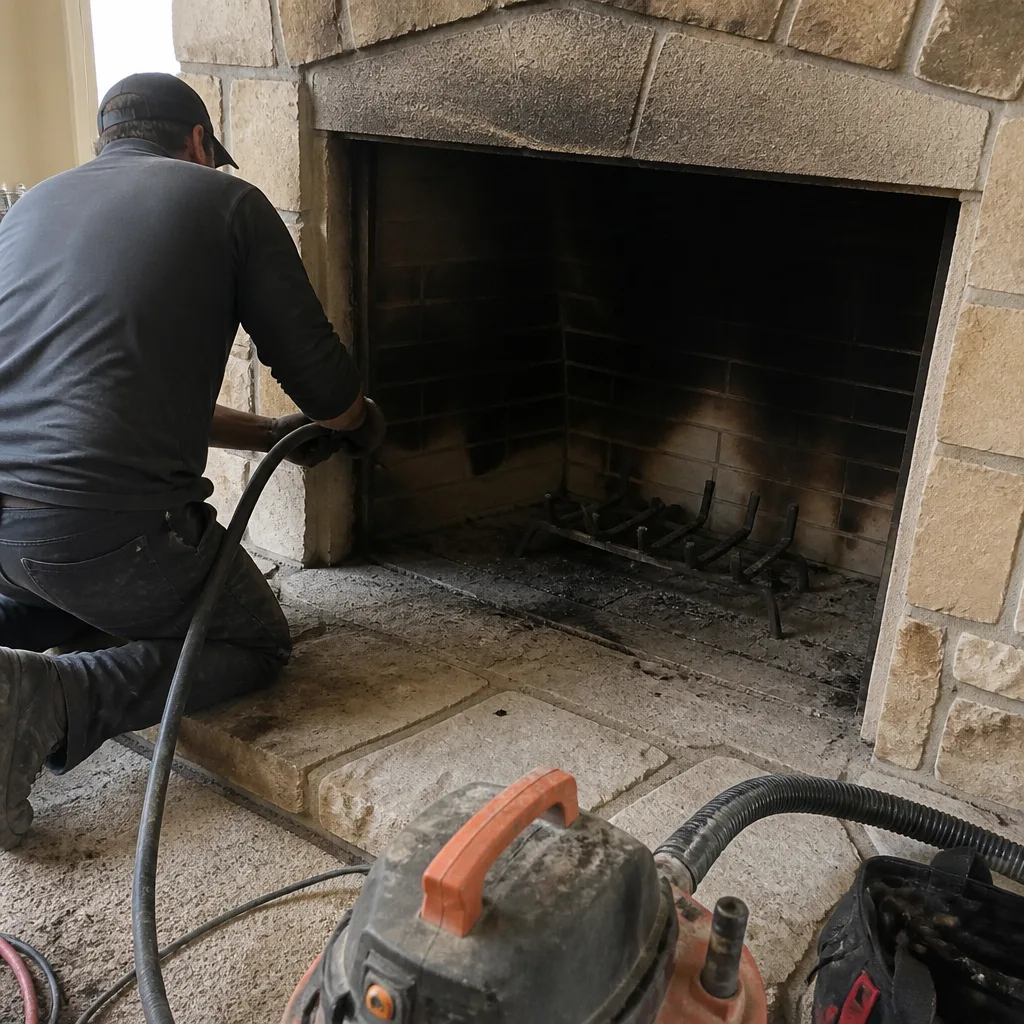 Before
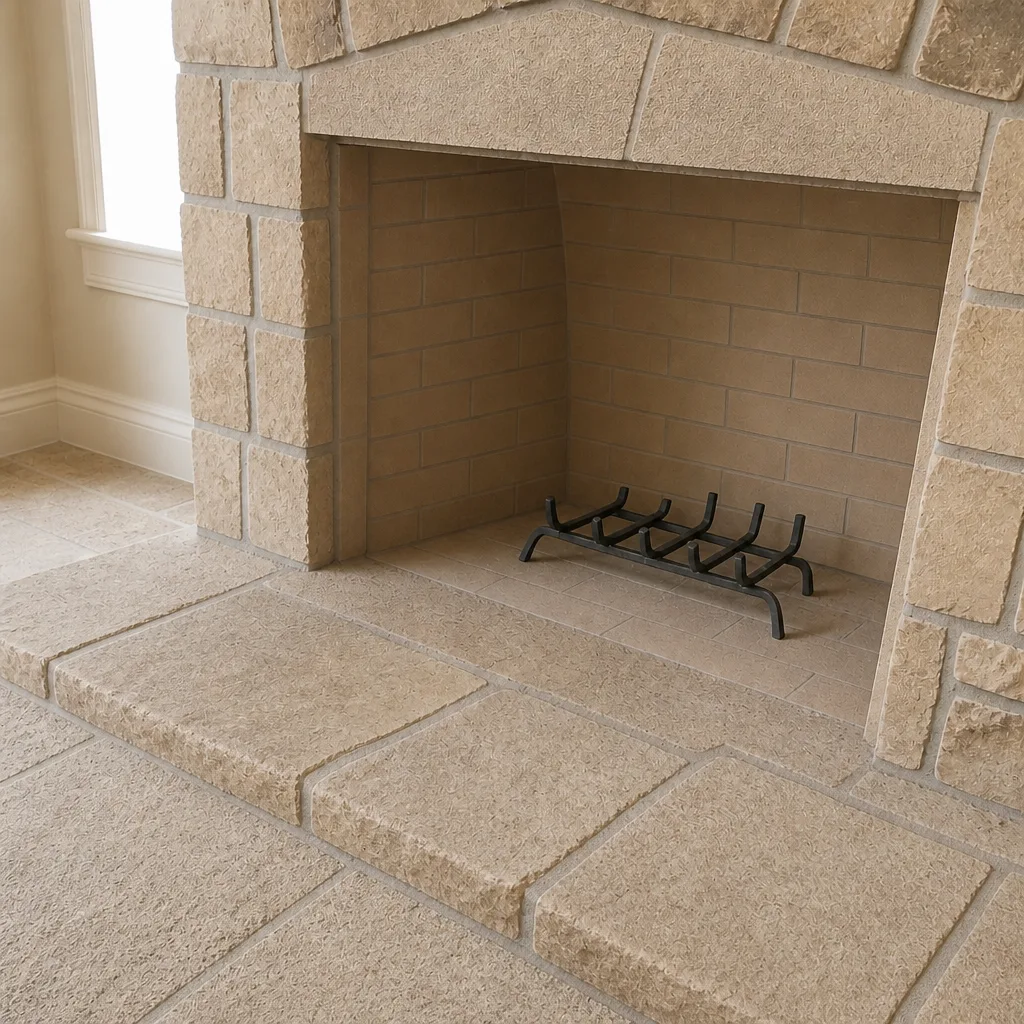 After
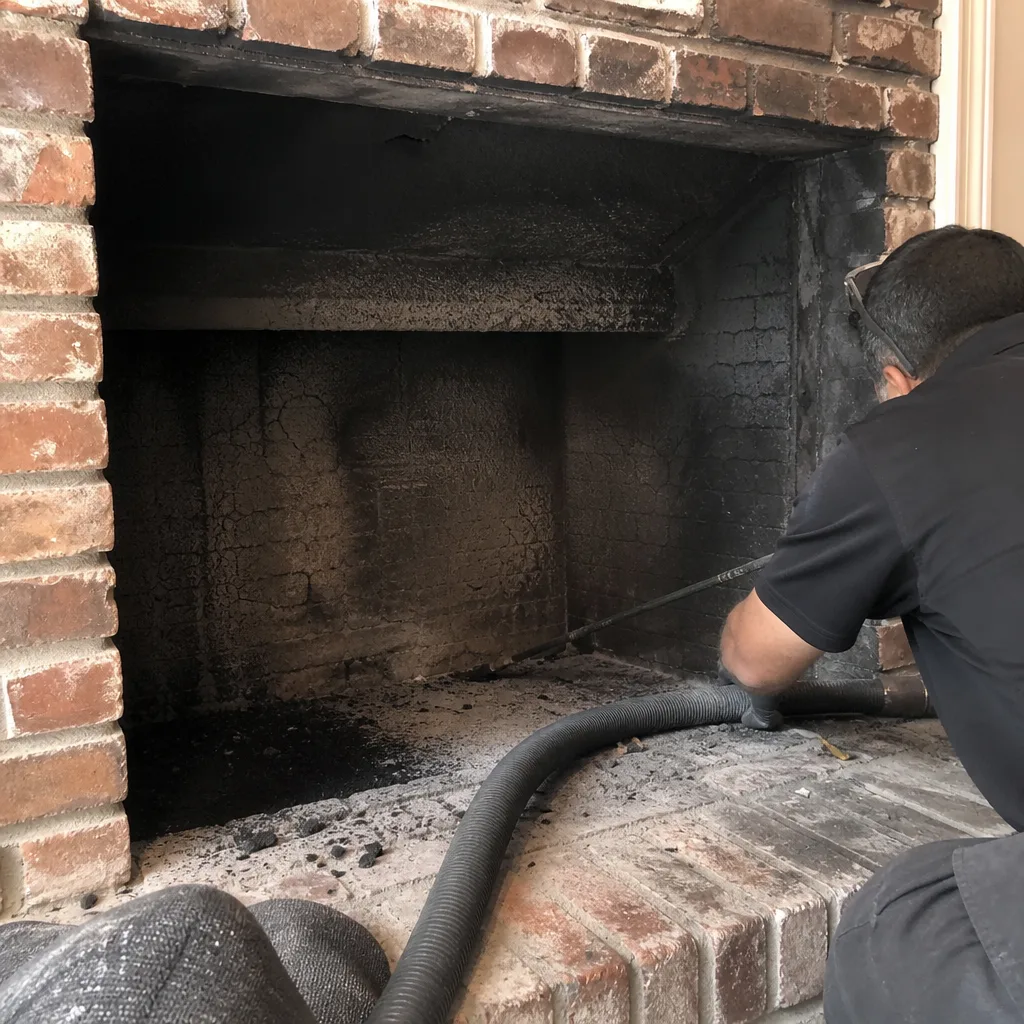 Before
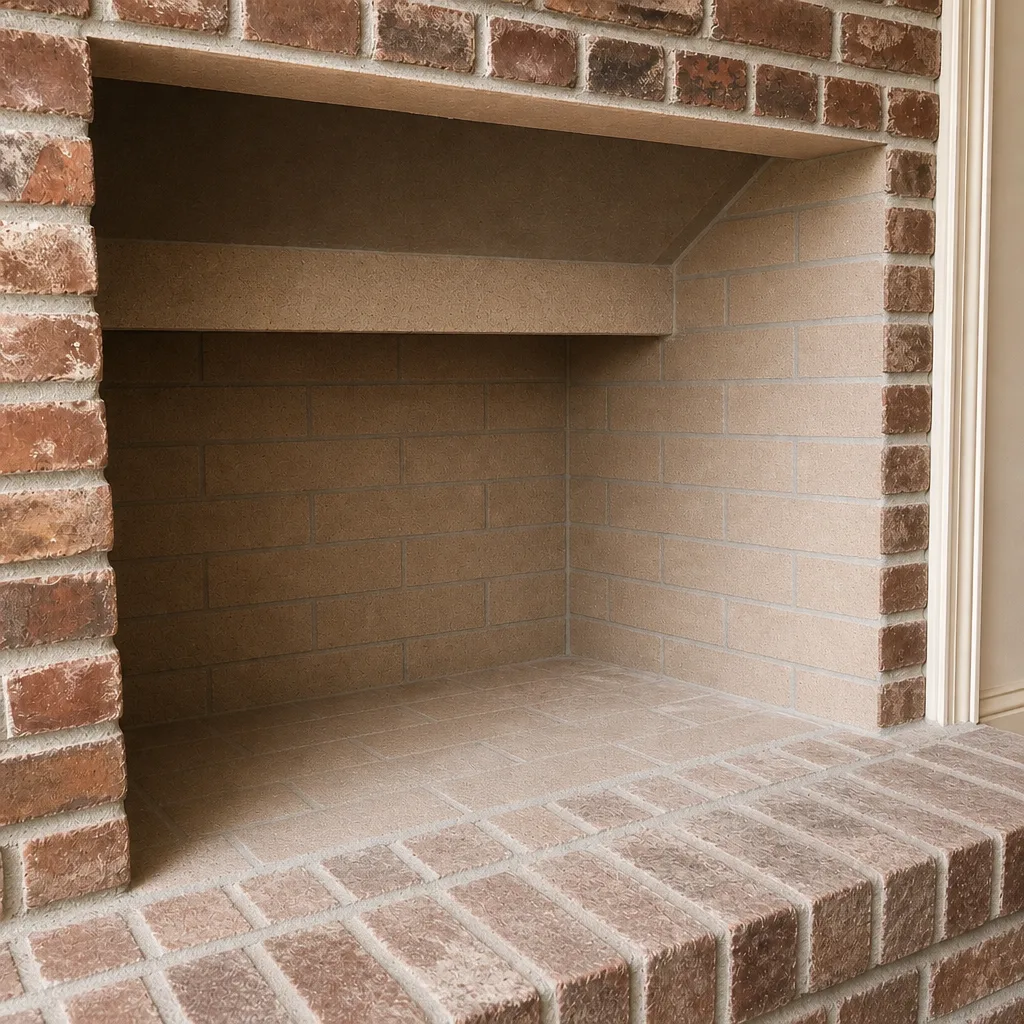 After
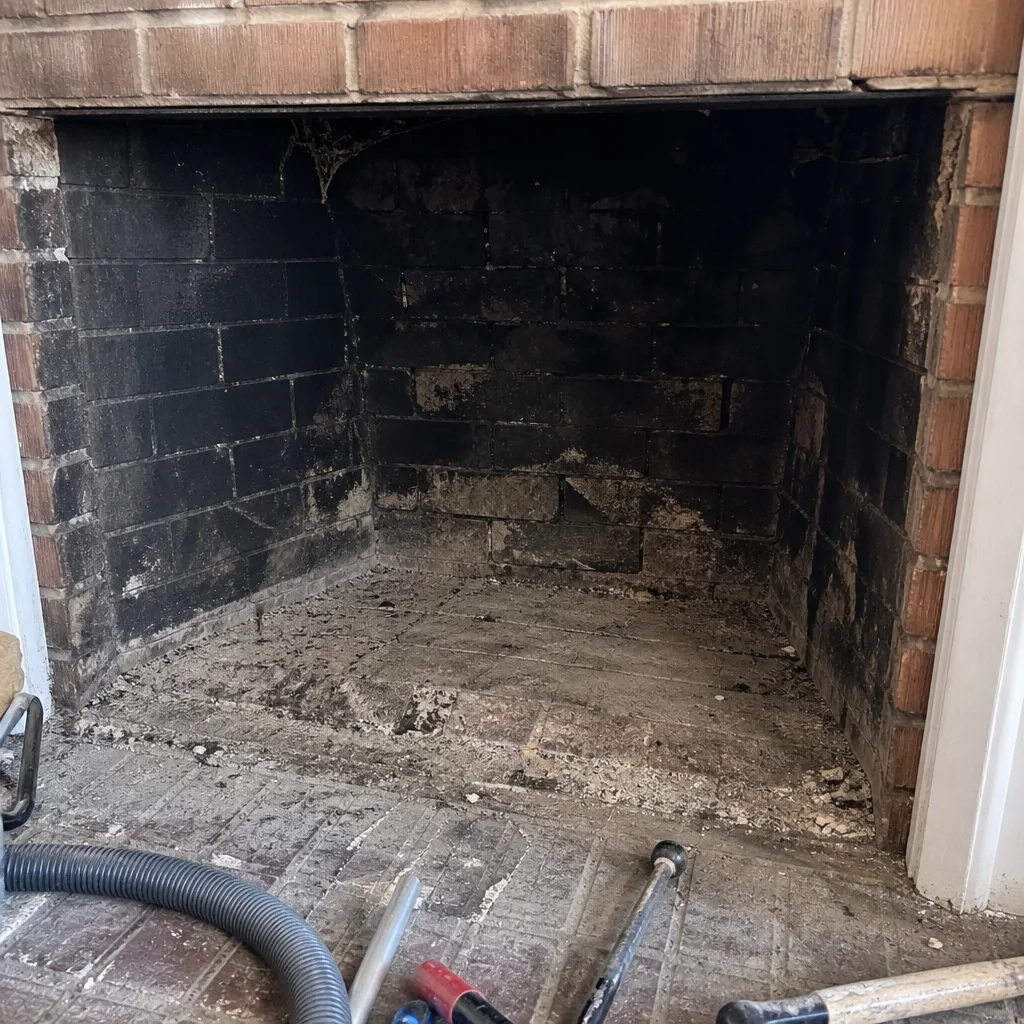 Before
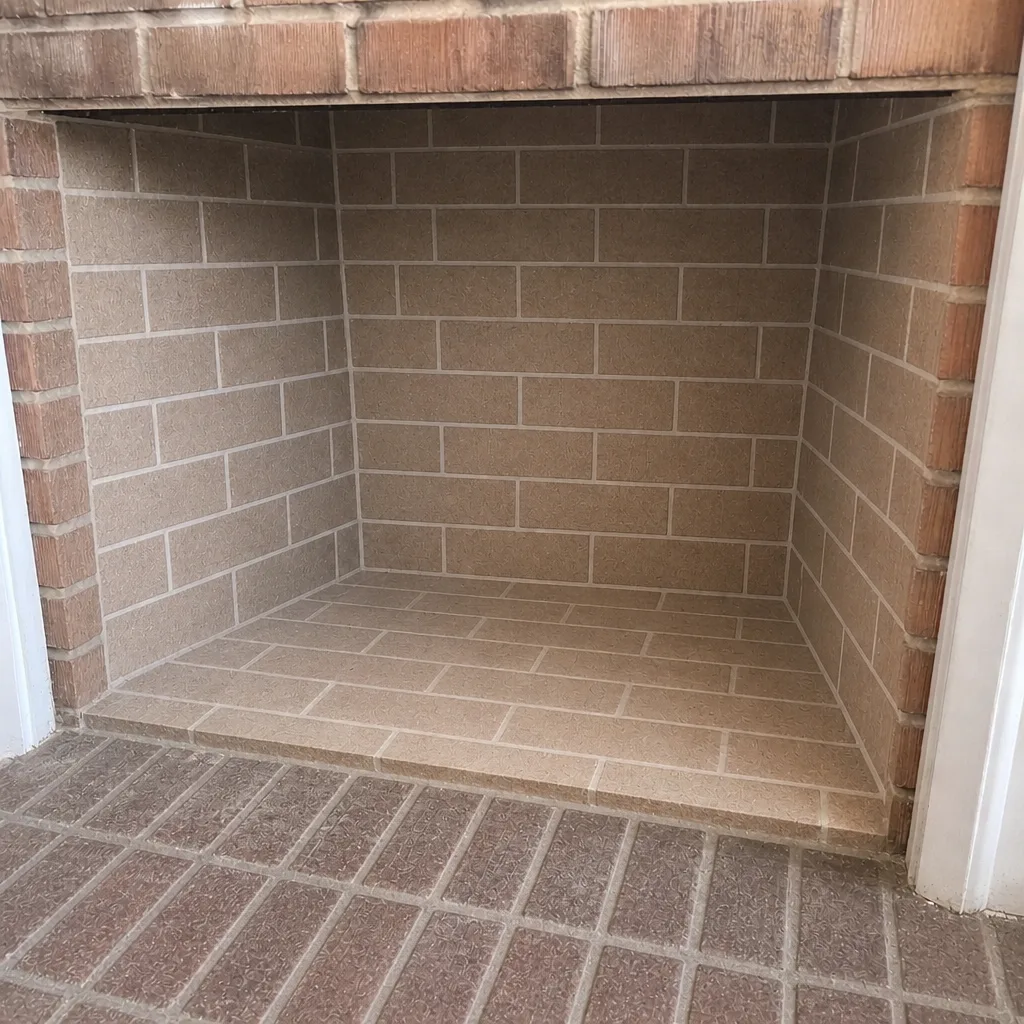 After