
Last updated November 25, 2026
 Sweep & inspection
 Caps & crowns
 Flue relining
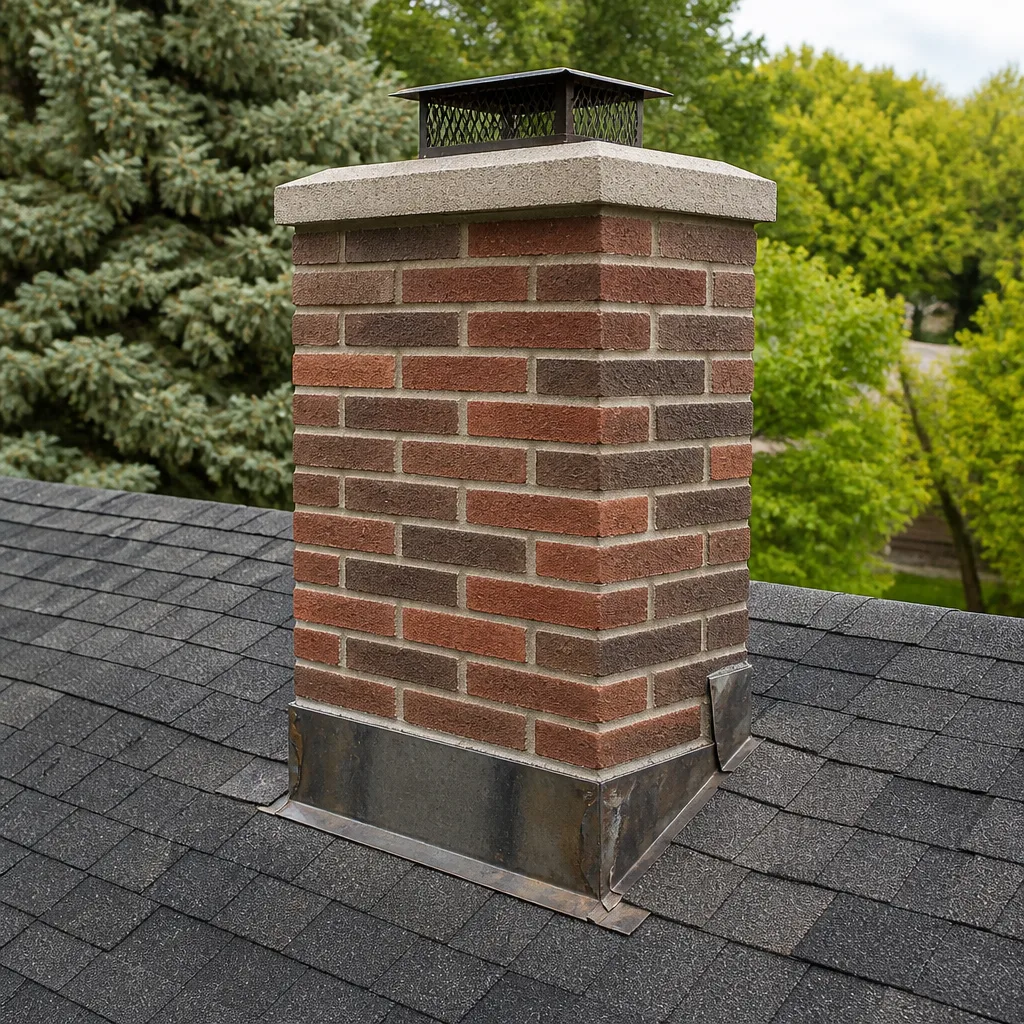 Masonry repair
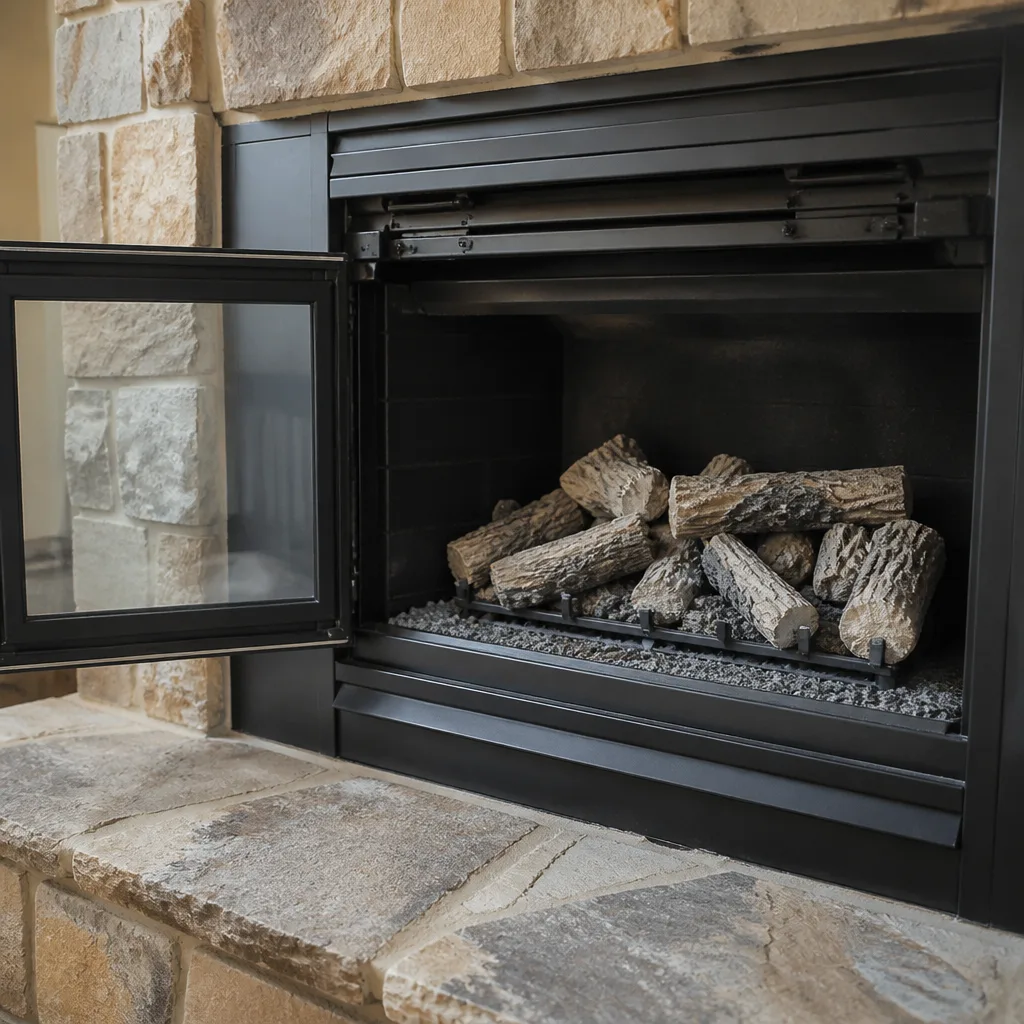 Gas fireplace service
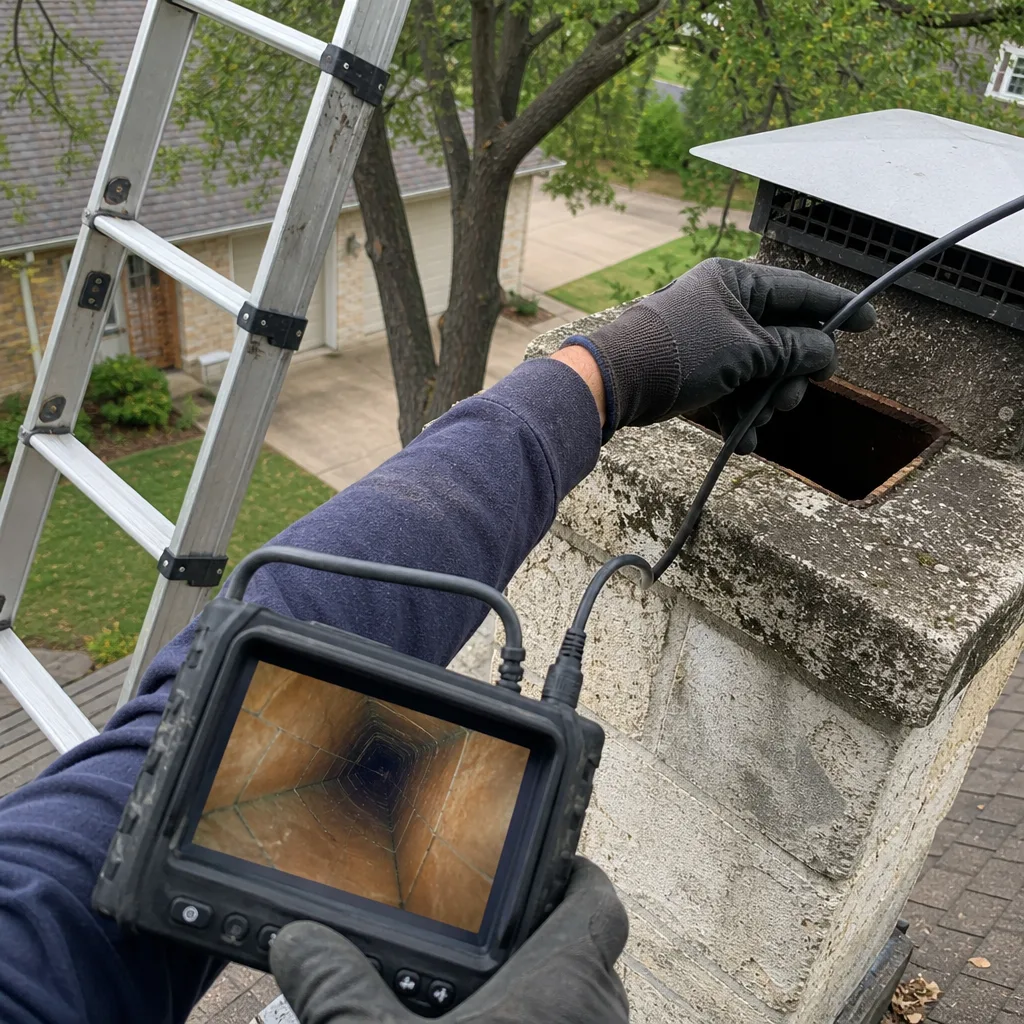
Level 1 sweep and inspection to the NFPA 211 annual standard - flue, crown, cap, and flashing checked and photographed
Chimney sweep logs do not sweep chimneys. They loosen some creosote - which then falls where a brush and vacuum still have to collect it.
The Complete Guide to Chimney Cleaning in Far North Dallas
Most chimney fires don’t start during heavy-use winters up north. They ignite in climates like ours, where sporadic, low-temperature fires produce the dense, glazed creosote that’s hardest to remove and easiest to ignite. A homeowner in Far North Dallas who burns a few fires a month through a mild December and January is often building up worse deposits than someone running a stove hard in a colder state, because a cool, smoldering fire leaves behind more of the sticky stuff that later hardens into glaze. This guide maps the whole chimney system, from firebox to cap, through the actual conditions North Texas chimneys face. You’ll learn how creosote forms here, what a real inspection covers, how to read a sweep’s report, and when repair matters versus when it can safely wait.
Quick Answer
Chimney cleaning in Far North Dallas means removing soot and creosote from the flue and firebox, then inspecting the full system: smoke chamber, damper, crown, cap, and liner. Because our burn season is short and fires often run cool, creosote here tends to build in dense, glazed layers that a quick brush-over won’t touch, so the sweep needs to check what kind of deposit is present before calling the job done. Expect a proper visit to include a cleaning, a condition report, and a clear recommendation on whether any repair is needed now or can wait.
Styles & brands we work with
- Sweep & inspection
- Caps & crowns
- Flue relining
- Masonry repair
- Gas fireplace service
Table of Contents
- Why Far North Dallas Chimneys Build Creosote Differently
- What Actually Happens During a Chimney Cleaning
- Level 1, Level 2, and Level 3 Inspections Explained
- What a Full System Inspection Covers Beyond the Flue
- Why the Right Brushes and Rods Matter for Your Liner
- How to Read a Sweep’s Report
- Repairs a Sweep Might Recommend, and When They Can Wait
- How Often Far North Dallas Chimneys Need Cleaning
Why Far North Dallas Chimneys Build Creosote Differently
The creosote problem in Far North Dallas isn’t about how much wood you burn. It’s about how you burn it. Our winters are short and mild, which means many fireplaces see a handful of fires a week at most, often lit for ambiance on a cool evening rather than run steadily to heat a house. A fire that never reaches full, hot combustion leaves unburned gases to condense on the cooler walls of the flue, and that condensation is what becomes creosote. In a colder climate, a fire that runs hot and long burns those gases off. Here, the fire often doesn’t, and the deposits pile up faster per fire than many national guides assume.
That has a practical consequence. Creosote forms in stages, and the later stages are the dangerous ones:
- Stage 1 is a light, flaky soot that brushes off easily. This is what most people picture when they think of chimney cleaning.
- Stage 2 is a denser, crustier deposit, sometimes called glazed or puffy creosote. It clings to the flue walls and needs more than a light brushing.
- Stage 3 is a hard, glossy glaze that’s baked onto the liner. It’s the most flammable form and the hardest to remove, and it’s the one that most often shows up in homes that burn sporadically in a mild climate.
We’ve seen flues in Far North Dallas neighborhoods like Bent Tree and Prestonwood carrying Stage 2 deposits after a season that felt light on the calendar. The fire count isn’t the issue. The burn conditions are. That’s the first thing a good sweep checks: not just how much is there, but what kind of creosote it is, because the two answers point to different cleaning methods and different safety conclusions. If you’re noticing a heavy, smoky smell or your fires struggle to draw, that’s often the first outward sign that deposits have built up in the flue.
What Actually Happens During a Chimney Cleaning
A professional chimney cleaning is a controlled, contained process, not a quick brush-and-go. The goal is to remove deposits from the firebox, the smoke chamber, and the flue without spreading soot through the house, and to leave you with a clear picture of the system’s condition. Here’s how a typical visit runs:
- Setup and containment. Drop cloths and a sealed vacuum go down around the fireplace so dust and soot stay inside the work area.
- Firebox and smoke chamber cleaning. We clear the firebox, then work the smoke chamber, the angled space above the damper that funnels smoke into the flue. This area collects a lot of soot and is often skipped by a basic sweep.
- Flue cleaning. The correct brush for your liner type goes up the flue, with rods turned by hand or with a powered tool depending on the deposit. Glazed creosote may need a chemical treatment or a more aggressive rotary method to break it down.
- Damper and throat check. The damper is opened, closed, and inspected for smooth operation and a tight seal when shut.
- Cap and crown check from outside. We look at the top of the chimney for a cracked crown, a loose or missing cap, and animal or water entry.
- Cleanup and report. The work area is cleared, and you get a rundown of what was found and what, if anything, needs attention.
The cleaning itself is the easy part to describe. The report is the part that matters most, and a full system inspection is what makes it trustworthy. That’s why we treat the chimney sweep and the inspection as two pieces of the same visit rather than one as an upsell of the other. You should never be told you need work without being shown what prompted the recommendation.
Level 1, Level 2, and Level 3 Inspections Explained
Chimney inspections follow three standardized levels, and the level your home needs depends on what’s changed since the last one. Choosing the right level matters because stopping at a lower level can miss the problems that cost the most to fix later. Here’s how the three compare:
- Level 1. A visual check of the readily accessible parts of the system: firebox, damper, flue from the firebox, and the exterior at ground level or from the roof if reachable. This is the routine inspection during a regular sweep, for a chimney that’s been serviced and hasn’t changed use.
- Level 2. Everything in a Level 1 plus a closer look at accessible portions of the flue and the attic and crawlspace, and often a video scan. A Level 2 is what you want after a change in the system: a new appliance, a fuel-type change, a home purchase, or an event like a chimney fire or a major storm.
- Level 3. The most involved level, used when a Level 1 or 2 finds a serious hazard that can’t be assessed otherwise. It can mean opening walls or removing parts of the chimney to reach a problem area.
For Far North Dallas homeowners, two triggers come up again and again. First, a home purchase: a Level 2 inspection gives a new owner a real picture of what they’re inheriting, and it’s the right move before the first fire is lit. Second, a severe storm: North Texas hail and wind can loosen a cap, crack a crown, or drive water into the flue, and a Level 2 lets us confirm the system is still sound. If your chimney has never been inspected or you don’t know its history, a Level 2 is the honest starting point. When we do an inspection, it’s a standalone service with a written report, not a formality attached to a cleaning, so you can make repair decisions on facts instead of guesswork. Details on how a sweep visit is scheduled are on the Chimney Sweep Far North Dallas page.
What a Full System Inspection Covers Beyond the Flue
Most people think of chimney cleaning as cleaning the flue, and the flue is only part of it. The flue carries smoke. The smoke chamber, damper, crown, and cap decide whether the system works, leaks, or lets animals in. A sweep that stops at the flue can leave the most expensive problems unseen, because the costliest repairs in a chimney almost always live above or beside the flue, not in it.
Here’s what a full system inspection should walk you through:
- The firebox. Look for cracked or crumbling firebrick and deteriorated mortar joints. Firebox damage sends heat where it shouldn’t go.
- The damper. Check that it opens and closes fully and seals when shut, so a cold fireplace doesn’t leak conditioned air or backdraft smoke.
- The smoke chamber. This sloped space above the damper collects soot and, on older builds, can have rough surfaces that trap creosote. We use HeatShield ceramic resurfacing to smooth and restore a deteriorated smoke chamber or flue liner without tearing out the chimney.
- The flue liner. Confirm the liner is continuous, correctly sized for the appliance, and free of cracks or gaps that let heat reach the framing.
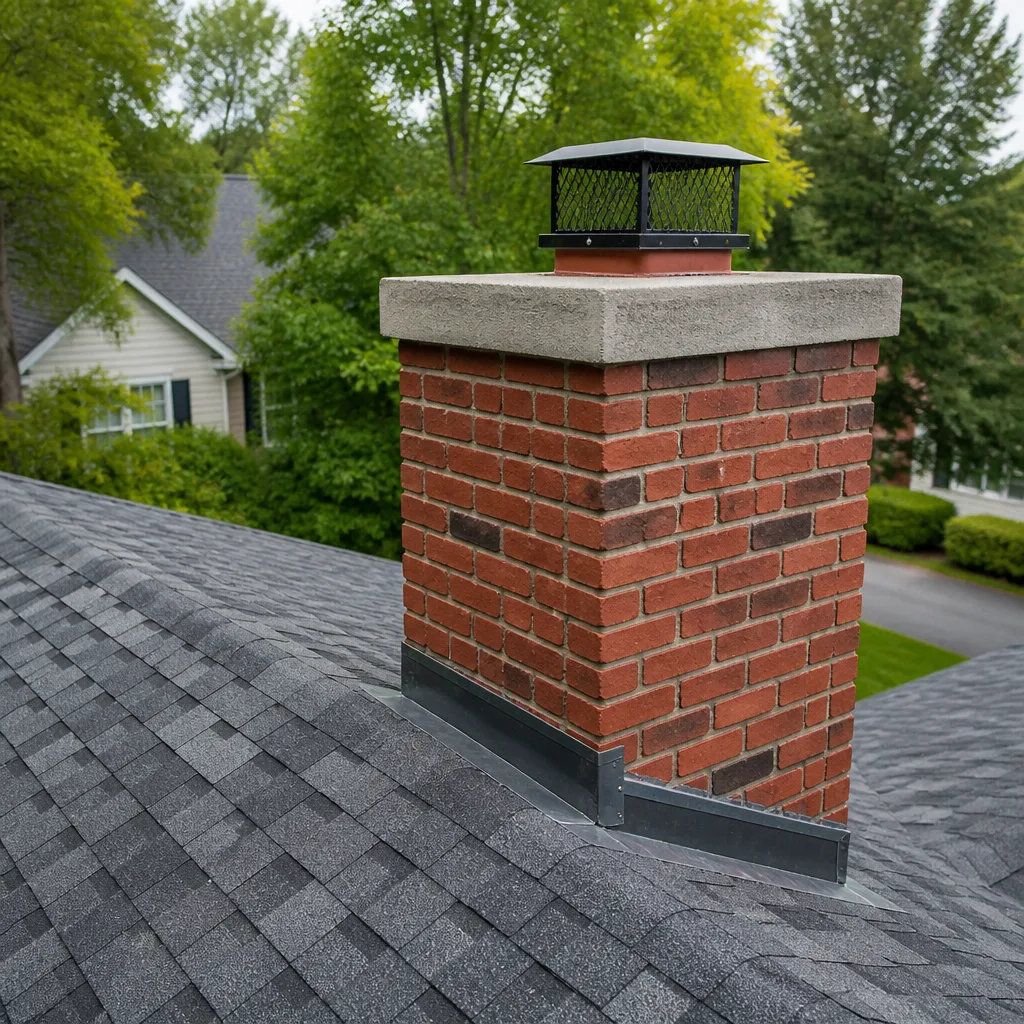
- The crown. The concrete cap at the very top. A cracked crown lets water into the chimney structure, which causes damage far from where the leak started.
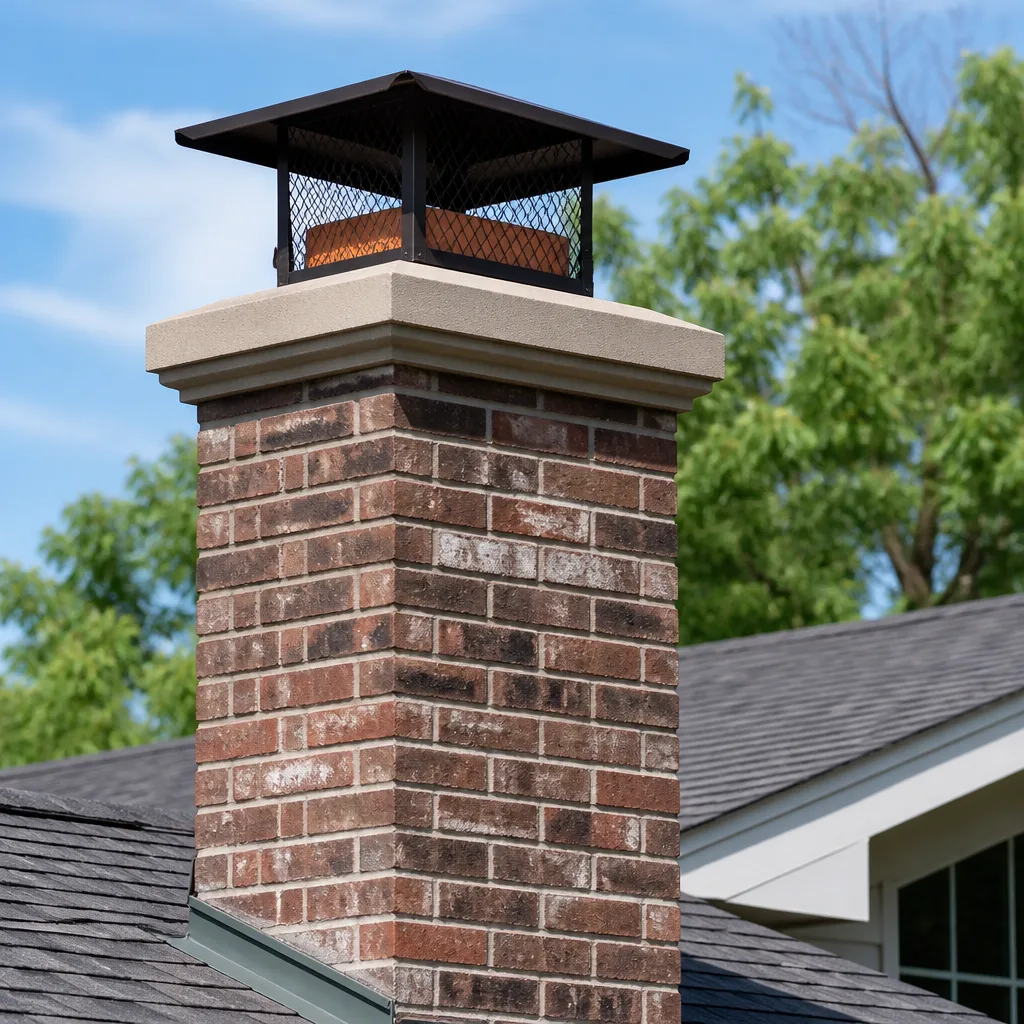
- The cap. The cover over the flue opening. A missing or failing cap means rain, birds, and squirrels get in.
When cap or crown work is needed, we install purpose-engineered components from Gelco and Famco rather than improvised covers, so the fix does the job long term. That whole-system view is what we mean when we say we work on the whole chimney system, not just the flue. You can see the scope of that work on our chimney cap & crown page. If you’ve noticed a draft, a smoky smell, or visible damage at the top of the chimney, that’s the inspection you want before anything else.
Why the Right Brushes and Rods Matter for Your Liner
The tools a sweep uses depend on what your flue is made of, and getting that wrong can damage a liner. Many Far North Dallas homes, especially in older established neighborhoods, have clay tile flues, while newer builds and relined chimneys often have stainless steel. The two need different treatment. A stiff brush that’s fine on clay tile can scratch or score a stainless steel liner if it’s the wrong type or size, and the wrong-size brush skips the corners where creosote hides.
Here’s how the two liner types differ in practice:
- Clay tile flues. The standard for many older Far North Dallas homes. Tiles can crack with heat and settle over time, and those cracks become paths for heat and creosote. Brushing needs to be firm enough to clear the tile joints without chipping the clay.
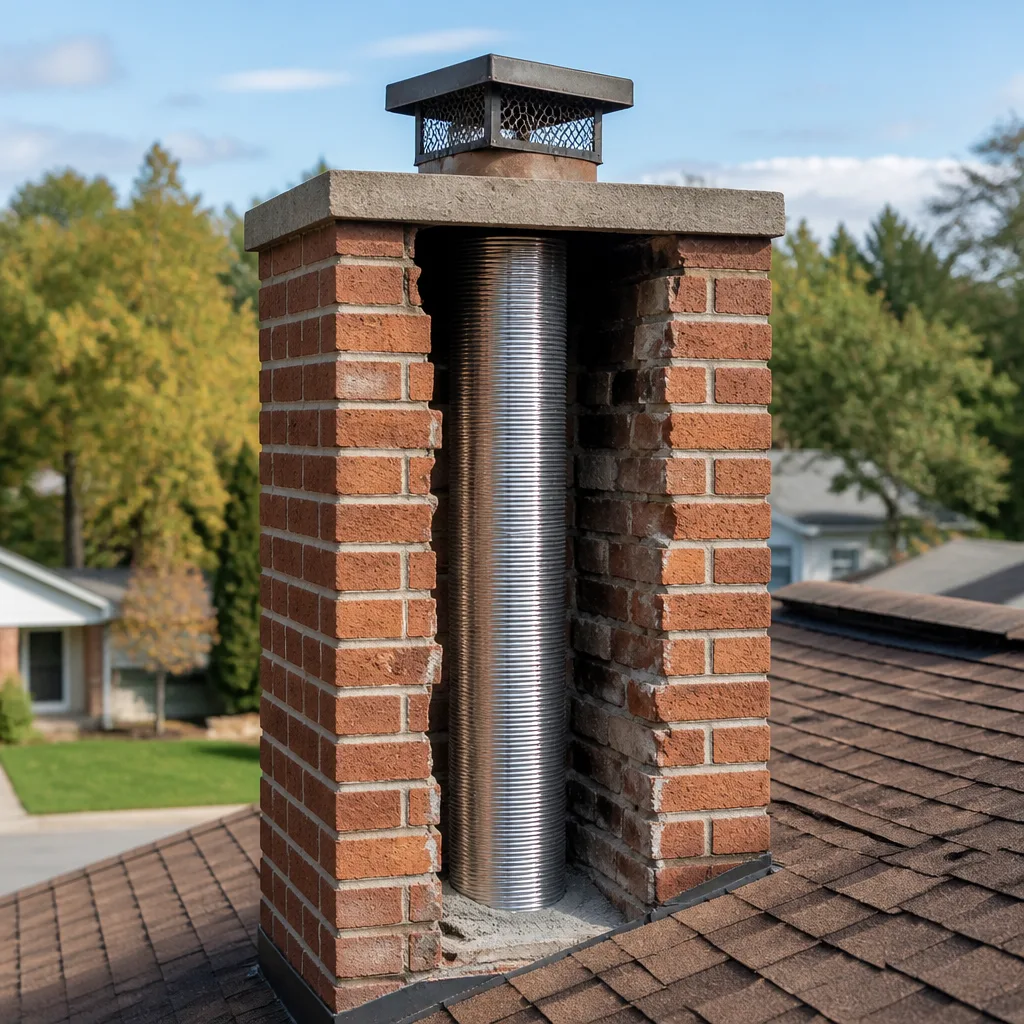
- Stainless steel liners. Common after a reline. These need a poly or soft brush matched to the liner’s profile so the surface stays intact. DuraFlex flexible liner systems are what we install when a chimney needs a new or upgraded flue for gas, oil, or wood-burning appliances.
The brush-and-rod choice isn’t fussiness. A misplaced brush can turn a routine cleaning into a repair bill. And for homes with a damaged liner that doesn’t need full replacement, HeatShield ceramic resurfacing can restore the flue from the inside, which is a specialist repair most general handymen can’t offer. We use professional-grade products from recognized industry suppliers because the parts inside the chimney are the ones doing the safety work, and a hardware-store substitute is a false economy there. For fireplace-side masonry and structural work, our fireplace repair service covers the firebox and surround.
How to Read a Sweep’s Report
A good sweep hands you more than a receipt. The report is where you learn whether your chimney is safe to use and what’s likely to need attention next. The trouble is, reports use shorthand that means nothing to most homeowners, and that’s where unnecessary worry or false confidence creeps in. Here’s how to read the language you’ll see.
“Light deposit” or “Stage 1.” This means a thin, flaky soot that came off cleanly. It’s the best outcome and usually means the chimney is in good shape for the coming season.
“Moderate deposit” or “Stage 2.” Denser, crustier buildup that clings to the flue. It means the fire has been running cool or the cleaning interval has stretched. It’s manageable now, but the report should tell you what the sweep did to remove it.
“Glazed creosote” or “Stage 3.” Hard, shiny, baked-on glaze. This is the form that ignites most readily and resists ordinary brushing. A report that flags glaze should tell you exactly how it was treated and whether it was fully removed.
Two more things to look for. First, whether the report covers the smoke chamber, damper, crown, and cap, or only the flue. A report that only mentions the flue didn’t inspect the full system. Second, whether it separates what needs doing now from what can safely wait. A liner crack, a damaged crown, or glazed creosote is a today problem. A slightly weathered cap or a hairline crown crack may be a watch-it item. You should never be sold a several-thousand-dollar repair on a verbal say-so. Ask to see the camera evidence and photos. If a sweep can’t show you why a repair is needed, that’s your cue to get a second look. This is exactly why a standalone inspection matters: it gives you the facts before anyone quotes a repair.
Repairs a Sweep Might Recommend, and When They Can Wait
Not every finding turns into a repair, and a trustworthy sweep tells you which is which. The honest version of a chimney report sorts problems into “fix it before you light another fire” and “plan for this in the off-season.” Some can safely wait. Some can’t. The difference usually comes down to fire and carbon monoxide risk.
Repairs that should be handled before the next fire:
- Cracked or gaping flue liner. Heat can reach the framing around the chimney. We handle liner work with HeatShield resurfacing when the flue can be restored in place, or with a DuraFlex flexible liner when a full reline is needed for a gas, oil, or wood appliance.
- Glazed Stage 3 creosote that wasn’t fully removed. A glaze layer is fuel sitting in the flue. It should be gone before the next burn.
- A failed cap letting water in. Water intrusion damages the chimney structure over time. A Gelco or Famco cap protects the flue opening and keeps animals out.
- A badly cracked crown. A cracked crown channels rainwater into the chimney body. Small cracks can be watched; open cracks should be repaired.
Repairs that can often be planned rather than rushed:
- A weathered cap that’s still doing its job, which is worth noting and replacing when it degrades further.
- Minor firebox mortar wear that hasn’t compromised the brick.
- A slightly spalled area on the crown with no path for water to reach the interior.
Because we carry the full range of services in-house, from cleaning through cap and crown work to liner and structural repair, a repair doesn’t mean rounding up a second contractor and starting the story over. The same person who found the problem can explain it and fix it with proper materials. Our conversation about the firebox and surround is on the fireplace repair page. Nothing gets recommended without evidence you can look at yourself.
How Often Far North Dallas Chimneys Need Cleaning
The usual advice is to have a chimney swept and inspected once a year, and in our climate that remains a sensible floor. But Far North Dallas fireplaces can hit the point of needing attention on a different rhythm than the national rule assumes. A home that burns lightly and often, with cool fires, can reach Stage 2 deposits faster than a home that runs a few hot fires. The right interval is less about the calendar and more about what’s happening in the flue.
Here’s a workable schedule for a Far North Dallas home:
- Once a year, get a sweep and inspection. This catches buildup before it hardens into glaze and lets you see the crown and cap condition from the top.
- Before any burning season, confirm the system is clear. A pre-season check is the cheapest insurance against a problem that shows up mid-winter.
- After a home purchase, get a Level 2 inspection. You don’t know the previous owner’s habits, and a video scan tells you what you’ve inherited.
- After a serious storm or a suspected chimney fire, get a Level 2 inspection. Wind and hail can damage a cap or crown, and a fire event can crack a liner invisibly from the inside.
- Anytime you switch fuel type or install a new appliance, get a Level 2. A flue sized for one appliance may not be right for another.
If your fire smells smokier than it used to, drafts poorly, or you see soot around the firebox, those are signs to move the next cleaning up rather than wait. Our team at Chimney Sweep Far North Dallas handles the full system, from the firebox to the cap, so a single visit covers cleaning, inspection, and any repair the report turns up. Our technicians have up to 15 years of experience working with liners, caps, and the parts that keep a chimney safe to use.
Common Mistakes to Avoid
- Treating a light-calendar burn season as a light-deposit season. A few cool fires a week in Far North Dallas can out-deposit a colder climate’s steady burning. The fire count isn’t the measure; the kind of creosote is.
- Judging the chimney by the flue alone. A clean flue with a cracked crown or a missing cap still isn’t ready for winter. The most expensive problems live above the flue.
- Skipping the inspection during a sweep. A brush-over without an inspection leaves condition unchecked. Ask for the system, not just the flue.
- Accepting a big repair quote without seeing the evidence. No camera scan, no photos, no decision. A repair recommendation should show you why it’s needed.
- Using the wrong brush for a stainless steel liner. The wrong brush can score a liner that a proper poly brush would leave intact.
- Replacing a liner that could be restored. HeatShield ceramic resurfacing can bring back a deteriorated flue without tearing out the chimney, and it’s worth asking about before a full reline is quoted.
- Burning soft or unseasoned wood to “warm up” a cold season. Wet wood runs cool and leaves more creosote. Dry, seasoned wood gives a hotter, cleaner fire.
See the difference
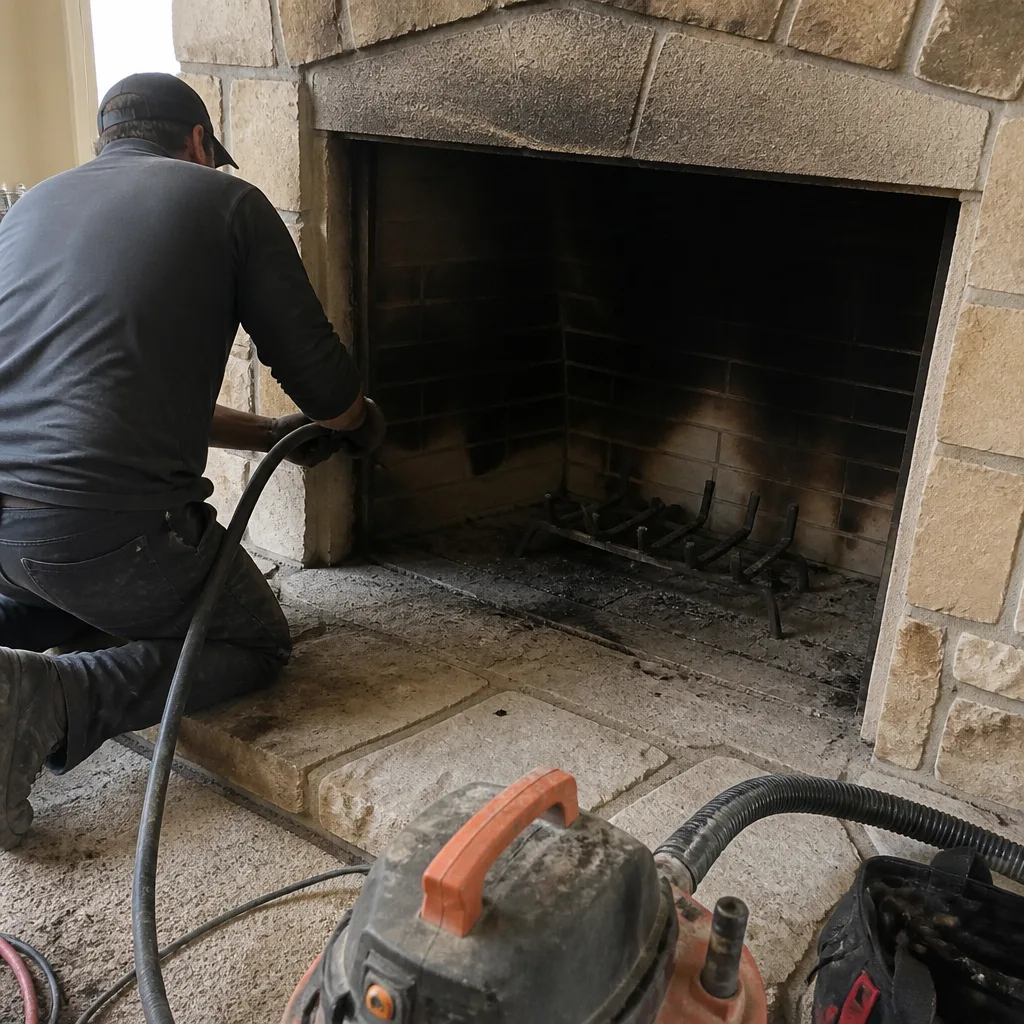 Before
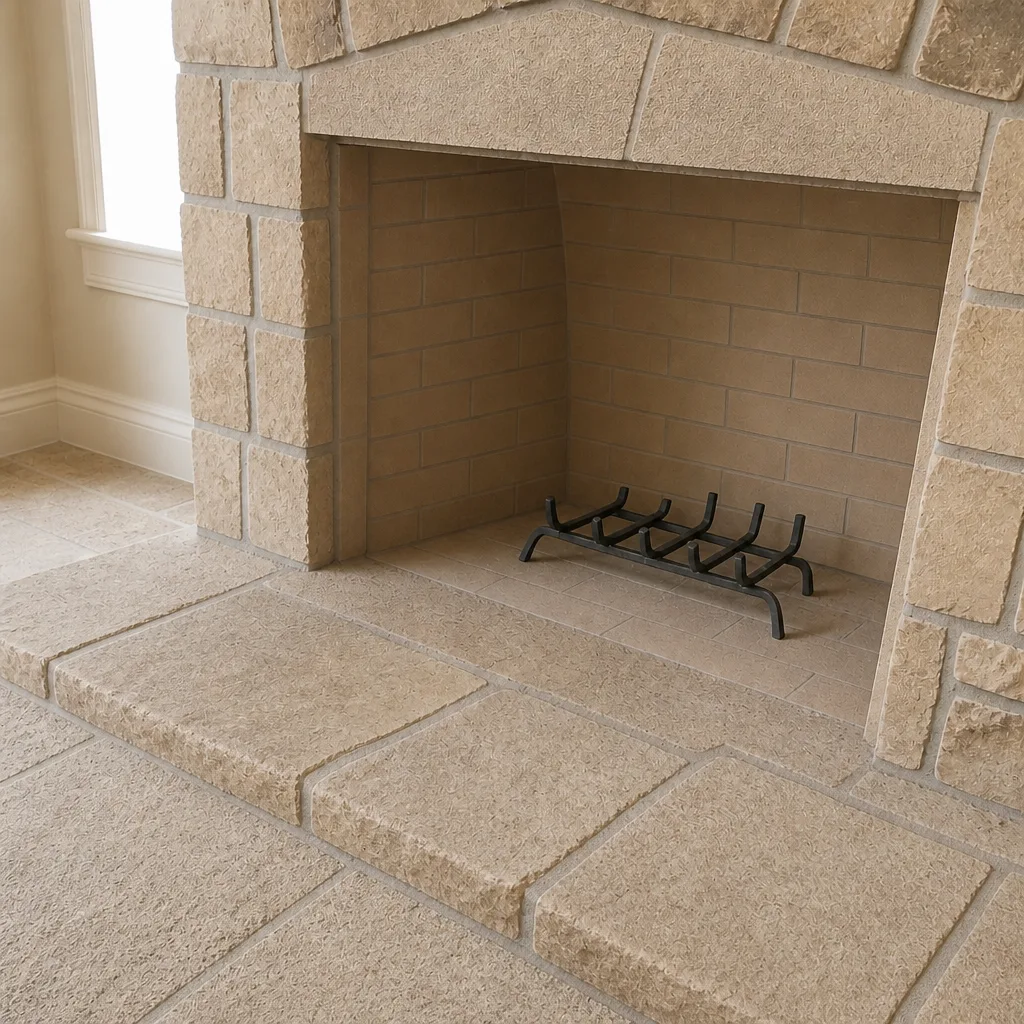 After
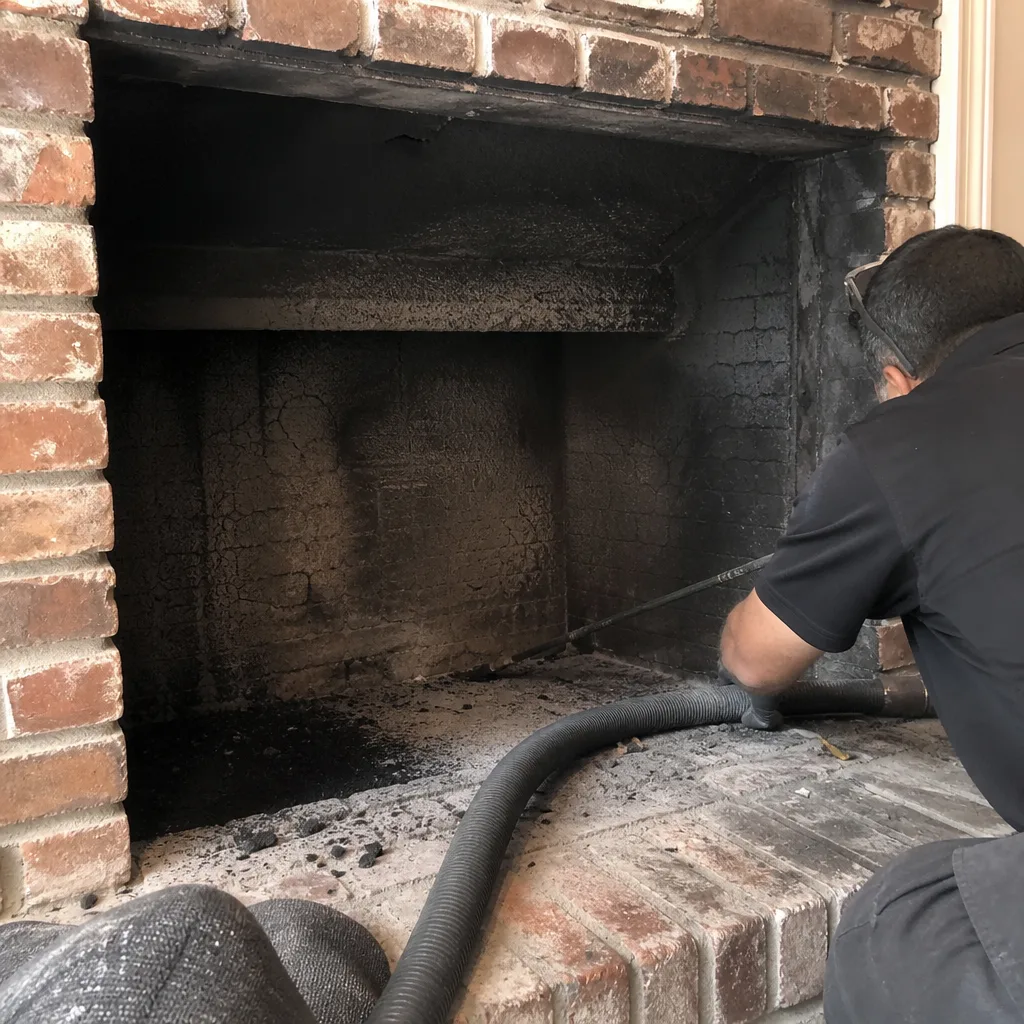 Before
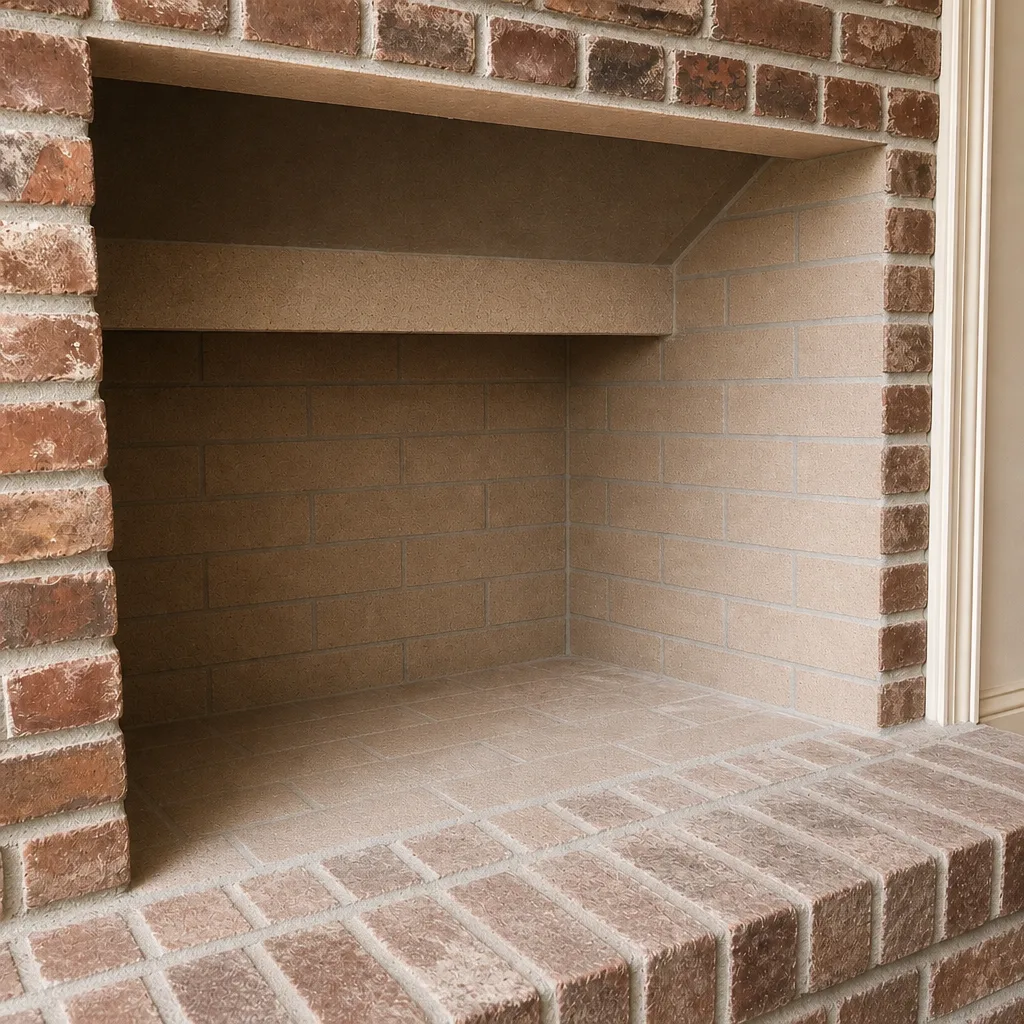 After
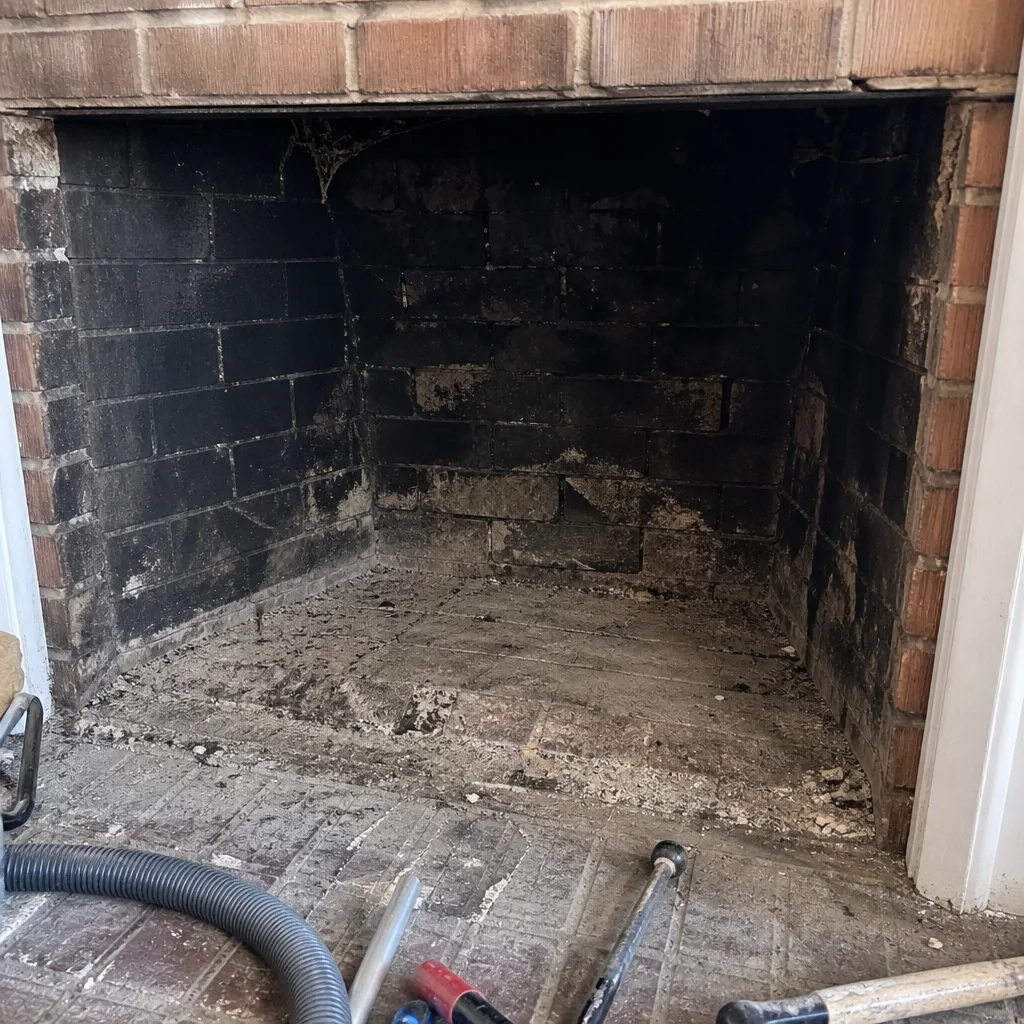 Before
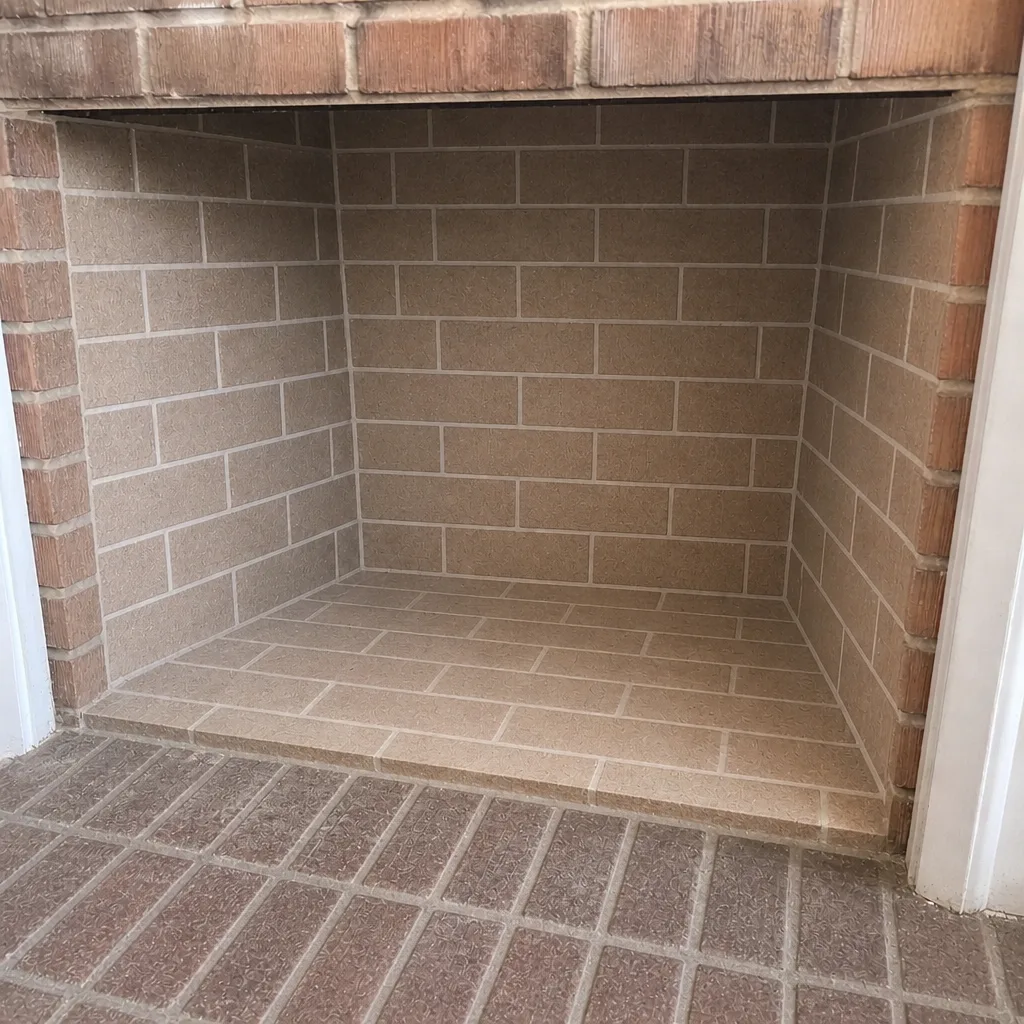 After
When to Call a Professional
Some chimney problems are obvious, and some are invisible until they aren’t. Call a professional when you see visible damage to the crown or cap, when the firebox brick or mortar is cracked or crumbling, or when your fires draft poorly or send smoke into the room. Call after a home purchase, after a violent storm, or any time you suspect a chimney fire, even a small one, because the liner can crack from the inside where you can’t see it. And call when you can’t tell what kind of creosote is in the flue, since the difference between a light flake and a baked glaze is the difference between a routine cleaning and a fire risk. Chimney Sweep Far North Dallas offers free estimates in Far North Dallas. Call (866) 937-8051. We answer 24/7.
Frequently Asked Questions
Chimney sweeping is priced per job by a written estimate, so the number depends on your flue type, how much deposit is present, and whether any repair is involved. We don’t quote blind over the phone; we look at the system and give you a written estimate before the work. The estimate is free. Call (866) 937-8051 and we’ll set up a visit and an exact quote.
Once a year is the sensible baseline, along with an inspection each time. In our climate, a home that burns cool, occasional fires can build dense creosote faster than the calendar suggests, so watch for a smokier smell or poor draft and move the next cleaning up if those appear. Call (866) 937-8051 for an exact quote on a sweep and inspection.
Often it can be repaired rather than replaced. HeatShield ceramic resurfacing restores a deteriorated or cracked flue from the inside without tearing out the chimney, and a DuraFlex flexible liner covers cases where the flue needs a full reline for a gas, oil, or wood appliance. The right answer comes from an inspection that shows the damage. Call (866) 937-8051 for a free estimate.
Creosote builds up in the flue, and the denser glazed stages ignite more readily, which is a chimney fire risk. A blocked or restricted flue can also send carbon monoxide into the home instead of up and out. Skipping cleaning doesn’t stop the buildup; it just hides it. Call (866) 937-8051 to get the system checked before the next burn.
You can do a light firebox cleaning, but the flue and the roof-level inspection are where it gets dangerous and where the judgment matters. The top of a chimney means working at height, and inspecting a liner or smoke chamber safely takes the right tools and a trained eye. We recommend a professional for the flue and the full system check. Call (866) 937-8051 for a free estimate.
A Level 1 is a visual check of the accessible parts during a routine sweep. A Level 2 adds a closer look at the flue and often a video scan, and it’s what you want after a home purchase, a storm, or a suspected chimney fire. If you’re not sure which you need, call (866) 937-8051 for a free estimate.
The Bottom Line
Chimney cleaning in Far North Dallas is about more than removing soot. Our short, mild burn season produces dense, glazed creosote that national guides understate, and the only way to know what’s in your flue is a proper cleaning paired with a full system inspection. That means checking the firebox, smoke chamber, damper, crown, and cap, not just the flue, and using the right brushes and products for your liner. Read the report with the language in mind, ask to see the camera evidence behind any repair quote, and know which fixes can wait. Safety is the reason to act; the proof is in what you can see. A sweep that finds the problem and fixes it with professional-grade materials saves you a second contractor and a second opinion.
Call Chimney Sweep Far North Dallas at (866) 937-8051 for a free estimate. We answer 24/7. Fast dispatch from 7am to 7pm, Sunday through Friday.
Written by the team at Chimney Sweep Far North Dallas.