
Last updated November 25, 2026
 Sweep & inspection
 Caps & crowns
 Flue relining
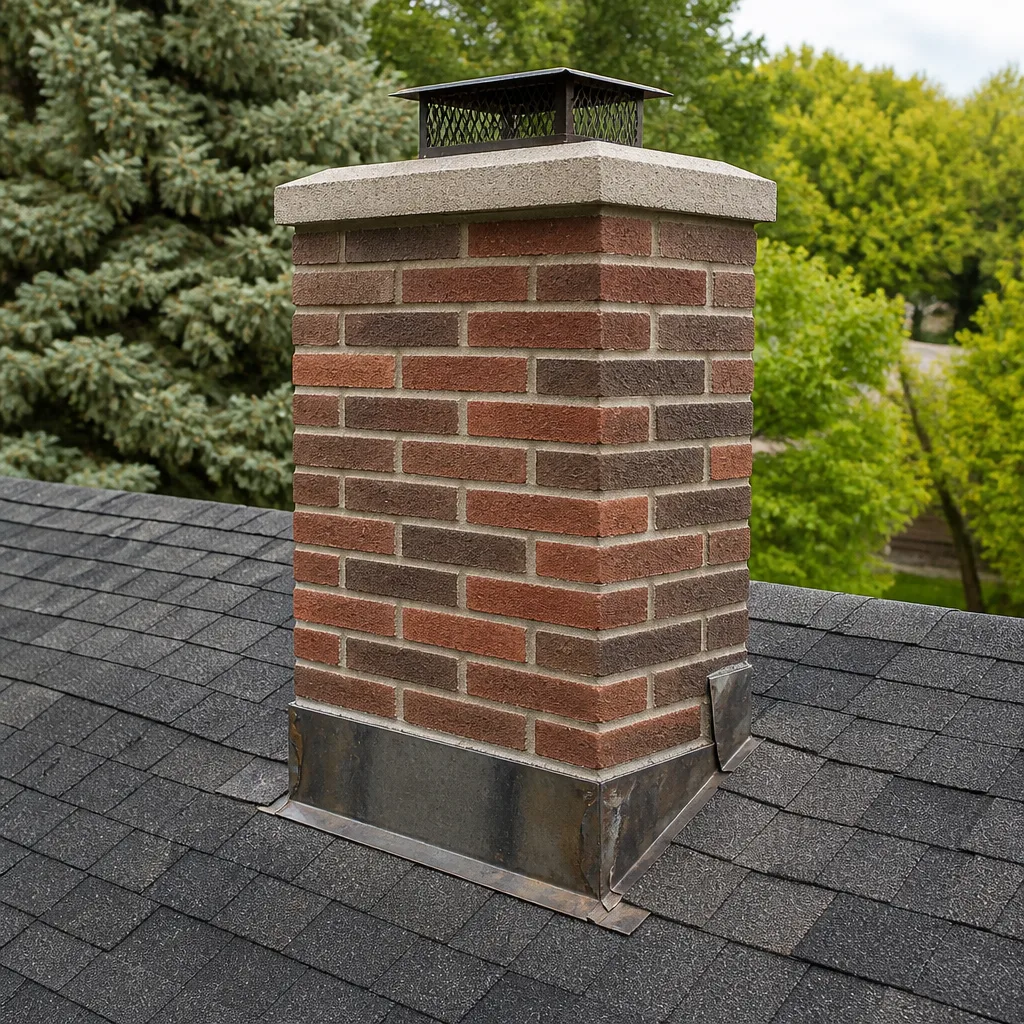 Masonry repair
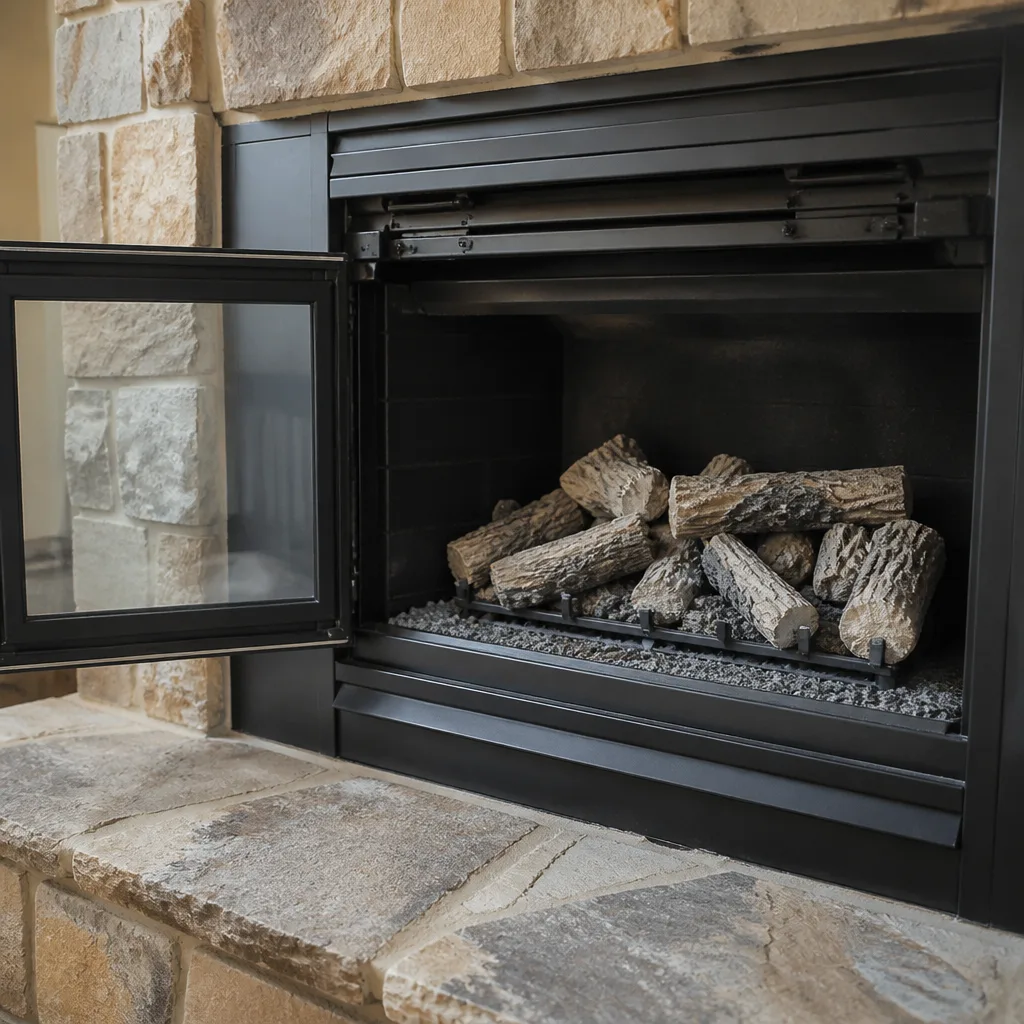 Gas fireplace service
Level 1 sweep and inspection to the NFPA 211 annual standard - flue, crown, cap, and flashing checked and photographed
Chimney sweep logs do not sweep chimneys. They loosen some creosote - which then falls where a brush and vacuum still have to collect it.
Chimney Cleaning Emergency Preparedness Guide for Far North Dallas Homes
Most people picture a chimney fire as flames shooting from the roof. It rarely looks like that. A chimney fire can burn at well over 2,000°F inside the flue while the house outside looks completely normal, which is why Far North Dallas homeowners who later say “we didn’t know anything was wrong” are usually telling the truth. The fire stays contained in the flue, starves itself of visible drama, and does its damage quietly to the liner, the masonry, and the framing behind it. This guide maps the two kinds of chimney emergencies you can actually face, the ones that need a 911 call right now and the ones that need the fireplace shut down and inspected, and gives you a specific action at each step. Keep it somewhere you can find it before you need it.
Quick Answer
A chimney emergency in Far North Dallas means one of two things: an active flue fire (call 911, get everyone out, shut the damper if you can do it safely) or a condition that has made the fireplace unsafe to use (shut it down, keep it shut, book a Level 2 inspection before you burn again). The difference matters because overreacting wastes a fire crew and underreacting lets a damaged flue, a blocked flue, or a cracked liner put carbon monoxide into your living room. Every category below tells you which one you’re in.
Styles & brands we work with
- Sweep & inspection
- Caps & crowns
- Flue relining
- Masonry repair
- Gas fireplace service
Table of Contents
- How to know you have an active chimney fire
- What to do after a chimney fire: the Level 2 rule
- Carbon monoxide risk: nests, collapsed liners, and closed dampers
- When an animal comes down the chimney
- The Far North Dallas emergency preparedness checklist
- Draft problems and odors: emergency or not?
- Keeping inspection records for insurance and resale
- When to call a professional
How to know you have an active chimney fire
An active chimney fire is happening inside your flue at this moment, and you need to treat it as a fire in the structure of your home, because that’s what it is. Get everyone outside and call 911 first. The signs fall into three groups: sound, smell, and sight. Any one of the sight or sound signals below, combined with a fireplace that’s been burning, is enough to clear the house and make the call.
Sounds
- A low roaring that sounds like a freight train or a distant jet, coming from the chimney itself
- Loud popping or crackling that continues after you stop adding wood
- A tapping or vibrating noise in the flue pipe, which can be the liner flexing under heat
Smells
- A hot, acrid, almost chemical burning smell that isn’t normal wood smoke
- Smoke backing into the room with the damper open and the fire drawing normally a minute earlier
Sight
- Dense black or dark brown smoke from the top of the chimney (the dangerous kind, versus the thin gray-white of a normal burn)
- Visible flame or sparks at the chimney top
- Creosote flakes or pieces of liner on the roof or in the yard after the fire is out
- Discolored or warped metal on the damper, the firebox, or the cap
What you do next matters more than what you noticed. Get out, call 911, and don’t re-enter until the fire department clears the house. If the damper is open and you can close it without reaching over flames, closing it starves the fire of air, but only attempt that from a safe distance before you leave. A fire that has spread past the flue into the chase or the roof cannot be put out with a garden hose, and Far North Dallas homes with wood-shake accents or attached garages need the fire crew involved early rather than a homeowner guessing at the severity from the driveway.
What to do after a chimney fire: the Level 2 rule
Once the fire department has gone and the house is safe to re-enter, the fireplace stays out of service until a Level 2 inspection has been completed. Not a level 1 check. Not a sweep. A Level 2 inspection is the one that includes a video scan of the interior of the flue, and it’s the only way to know what a fire that hot did to the liner and to the joints between flue tiles.
Here’s what that inspection actually checks for:
- The flue liner itself. Flue tile cracks that weren’t there before, spalling where a tile face has broken away, and gaps in the joints where the mortar has cooked out.
- The smoke chamber. The sloped section above the damper is where heat concentrates, and a fire can pit or crack the parging there without any visible sign from the firebox.
- The damper. Warping or a damper that no longer seats properly means you can’t control the air supply to the fire, which changes how the whole system drafts.
- The crown and the cap. A hot fire can crack the crown at the top and distort or lift a metal cap.
- The chase and adjacent framing. Heat transfer through a damaged liner can char wood framing in direct contact with the chimney, and a video inspection plus a look at accessible framing is how that gets caught.
In our experience, the homes we see after a flue fire in Far North Dallas fall into two roughly equal groups: those that need a good cleaning and a documented inspection, and those with liner damage serious enough that the fireplace shouldn’t be used until it’s relined. You cannot tell which group you’re in from the outside. Some of that repair work can be done without tearing the chimney apart. HeatShield ceramic resurfacing, for example, restores a deteriorating flue liner from the inside when the damage is within its range, and a DuraFlex flexible liner handles the cases that need a full reline for gas, oil, or wood. Which one applies to your chimney is the inspection’s call, not a guess from the driveway. Until you have the report, treat the fireplace as closed.
Carbon monoxide risk: nests, collapsed liners, and closed dampers
Carbon monoxide is the emergency that doesn’t announce itself. It has no color and no smell, and it comes from incomplete combustion backing up into the room instead of going up the flue. The scenarios that turn a working chimney into a CO path are all common in Far North Dallas homes.
- Bird nests and animal debris. A nest near the top of the flue narrows the opening and can block it entirely. The fire still lights, the smoke has nowhere clean to go, and it comes back into the room.
- Collapsed liner sections. A piece of flue tile that’s come loose and dropped can block the flue below the smoke shelf, and the blockage is invisible from the firebox.
- A closed damper during a burn. This one is almost always human error, someone closes the damper out of habit or to “hold the heat in,” and the fire keeps producing CO with no exhaust path.
- Negative pressure in the house. A tightly built home with a strong kitchen exhaust or a clothes dryer running can pull flue gases back down the chimney even when the flue is clear. This is why a fireplace that worked fine last winter can back-draft now.
The plain safety guidance, and it is not a scare tactic: every home with a fuel-burning appliance, including a wood fireplace or a gas insert, should have working CO alarms on each level and outside sleeping areas. If your CO alarm sounds and you have a fire burning or embers still hot, get everyone out and call 911, then call the fire department’s non-emergency line if the alarm silences on its own. Do not “air it out” and go back to the fire. A CO event is a stop-and-inspect moment. We can work with your insurer and document what’s found when that moment comes.
When an animal comes down the chimney
An animal in the flue or the firebox is a genuine emergency, and the correct response is not to open the firebox door and grab it. Birds, squirrels, and raccoons in Far North Dallas chimneys bring two risks at once: injury from a frightened animal, and a CO or smoke hazard if a blocked flue gets used. The right sequence is calm and order-specific.
- Stop using the fireplace immediately. Don’t light a fire, don’t burn a candle in the firebox, and don’t run a fire that was already going.
- Close the firebox doors if you have them. If there’s a glass door or a screen, shut it and leave the room. The animal should be contained where you can see it, not chased through the house.
- Open a door or window to the outside in the same room and dim the lights. A bird that’s escaped into the room will fly toward daylight and quiet.
- Do not try to reach up the flue. The flue isn’t a place you can safely grab an animal; the chase above and the smoke shelf below are full of edges and turns.
- Call for help. A chimney professional can remove a bird nest or a blocked animal and inspect the flue afterward for damage and nesting material. An injured or cornered raccoon is a call to animal control, not a DIY job.
- Book the inspection before you burn again. The reason is not just the animal. A blocked flue is a CO path, and a nest near the top means you have a missing or damaged cap, or a cap with a gap wide enough to let a squirrel through.
After the animal has been removed and the flue cleaned, the underlying problem is the opening at the top. A properly fitted cap from Gelco or Famco is purpose-engineered for exactly that job: it keeps water out and keeps animals from making the flue their next home. This is a case where the right repair at the top prevents the emergency at the bottom, and it’s why we treat cap condition as a preparedness item, not a cosmetic one.
The Far North Dallas emergency preparedness checklist
Preparedness for a chimney emergency is a short list of facts and documents you should have ready before anything happens. If you had to move fast, you’d want these in a single folder, digital or paper.
- Cap and damper status, documented. Does your chimney have a cap, and what type? Is the damper a throat damper, a top-sealing damper, or absent altogether on a gas appliance? Write it down.
- Flue dimensions. The inside dimensions of the flue (typically round or rectangular) and its height from the firebox to the top. This is the number a liner replacement depends on, and having it ready is the difference between a one-visit reline and a second trip to measure.
- The appliance type. Wood-burning fireplace, wood stove, gas insert, oil furnace flue. Liner choices come from that answer, and gas, oil, and wood each call for a different liner system, which is why DuraFlex covers the range.
- Your most recent inspection report. The report tells the next technician what was found and when. If you’ve never had an inspection, that’s the first item on the list.
- Homeowner’s insurance policy details. Know your policy number and your claim line. If a flue fire happens, you’ll be making decisions about a claim while cleaning up, and having the details ready is the one part you control.
- Where your CO alarms are and when you last tested them. This is the alarm that buys you minutes, not the smoke alarm.
- The phone number for your chimney service. Ours is (866) 937-8051. More on that at the end.
Put the list together with a flashlight and one door key in a place every adult in the house knows about. A chimney emergency is not the moment to be searching for a policy number in a drawer.
Draft problems and odors: emergency or not?
Most draft problems are not emergencies, but a few of them are the early signal of one, and the difference is worth understanding. The non-emergency version is a fireplace that smokes a little on cold start, then settles, or an odor from the firebox on warm, humid days when the fireplace is unused. The emergency version is smoke backing into the room during an active burn or a fire that won’t draw at all.
What moves a draft problem from annoying to serious:
- A burn that smokes back into the room after the fire has been going for several minutes, which points to a blockage or a liner problem, not a cold-flue issue.
- A strong creosote smell in the house during warm weather, which means the flue and smoke chamber are coated and the smell is migrating down.
- An odor plus a CO alarm, which is the immediate 911 scenario, not a service call.
- A fireplace that drafts well in the morning and poorly in the evening while the furnace or dryer runs, which is negative pressure and needs a professional look at the whole system.
In our experience, the difference between a fireplace that needs a good chimney sweep and one that needs repair shows up in the inspection, and the two get confused by homeowners all the time. The honest answer is that you shouldn’t have to guess. A proper inspection is a standalone service we offer for exactly that reason, so the recommendation is based on what’s actually in the flue instead of on what a sweep happened to notice while the vacuum was running.
Keeping inspection records for insurance and resale
Chimney documentation earns its keep in exactly two moments: a claim and a sale. In a claim, an inspection report dated before the incident is how you show a flue was in known condition and that you maintained it. At resale, a clean inspection report is part of what a buyer’s inspector will want to see, especially on Far North Dallas homes built in the 1970s through the 1990s where the original flue tile has had decades of heat cycles. The number to have ready for a fast liner replacement is the flue dimension from that report, and the appliance type for the liner choice. That’s why our inspection work is not attached to the sweep as an upsell. It’s a separate category of service because the report is the document that matters later.
Keep the report with your closing documents if you’ve bought the house recently, and if you inherited a chimney with no paperwork, book an inspection and start the file. If you’re not sure what to look for on your own, you’ll find the details on how a chimney cap & crown inspection fits into the record, and on how fireplace repair is documented, on our service pages. The point is the same: the paper trail is part of the safety system.
Common Mistakes to Avoid
- Using the fireplace after a fire just because it “looks fine.” A cracked or displaced flue tile and a warped damper don’t show from the firebox. The fireplace stays closed until a Level 2 inspection says otherwise, full stop.
- Closing the damper mid-burn to “keep the heat in.” This is a direct CO path. The fire is still producing carbon monoxide with no way out.
- Assuming the smoke alarm covers you. It doesn’t. CO alarms on every level and outside sleeping areas are the only alarm that warns you about a blocked flue or a back-draft.
- Skipping the cap because the chimney “needs to breathe.” It doesn’t need to breathe through the top of the flue. A cap from Gelco or Famco keeps water out and animals from nesting, and a missing cap is how a bird nest blocks a flue in the first place.
- Burning wet or “seasoned” wood that was never actually dried. Wet wood is the single most common way Far North Dallas homeowners build up creosote fast, and creosote is the fuel a chimney fire burns. Stick to properly dried wood and don’t over-fire the box.
- Calling a sweep before the problem is diagnosed. A sweep cleans the flue; it doesn’t tell you why the fireplace smokes back, why CO is present, or what the liner looks like. An inspection comes first, then an honest recommendation.
- Treating an animal in the flue like a pest problem. The real danger is a blocked flue being used while the animal is still in there. Close the doors, contain the room, and call a professional who can remove it and inspect what it damaged.
See the difference
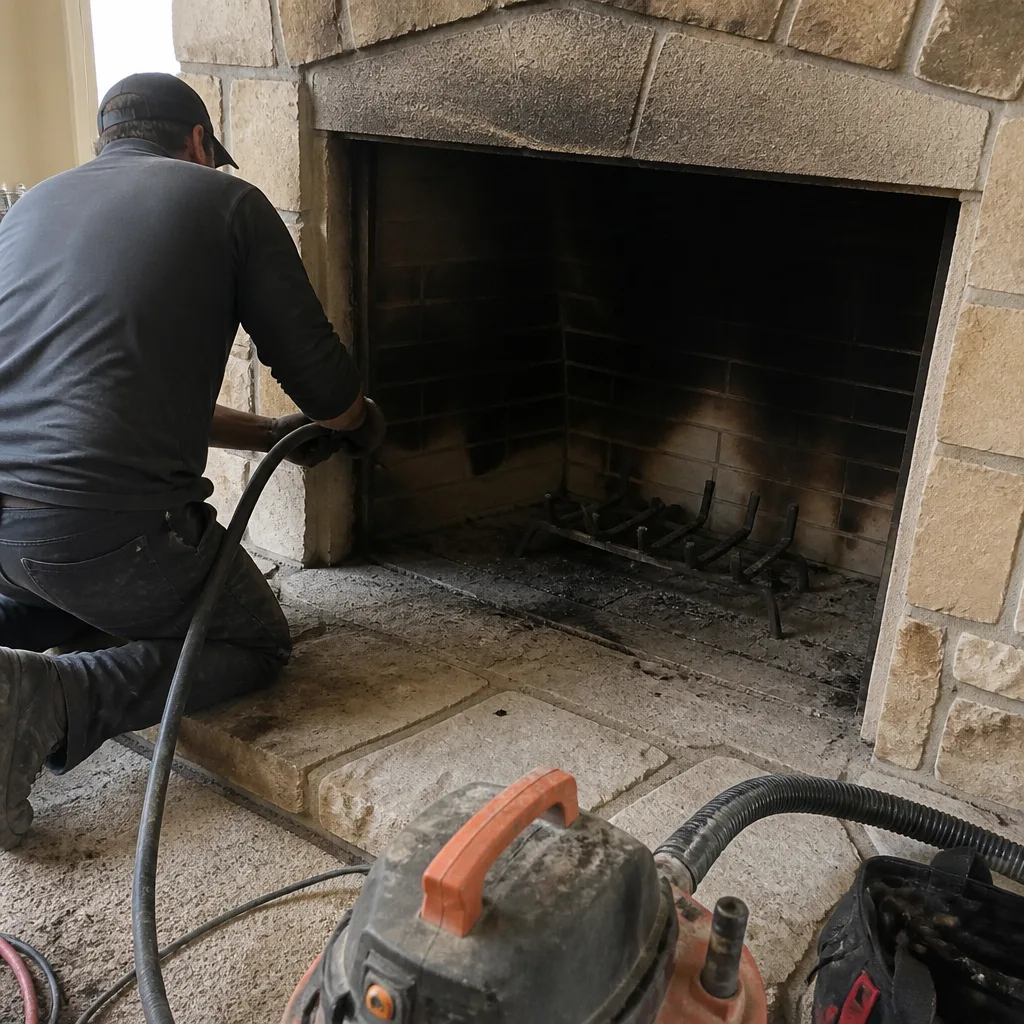 Before
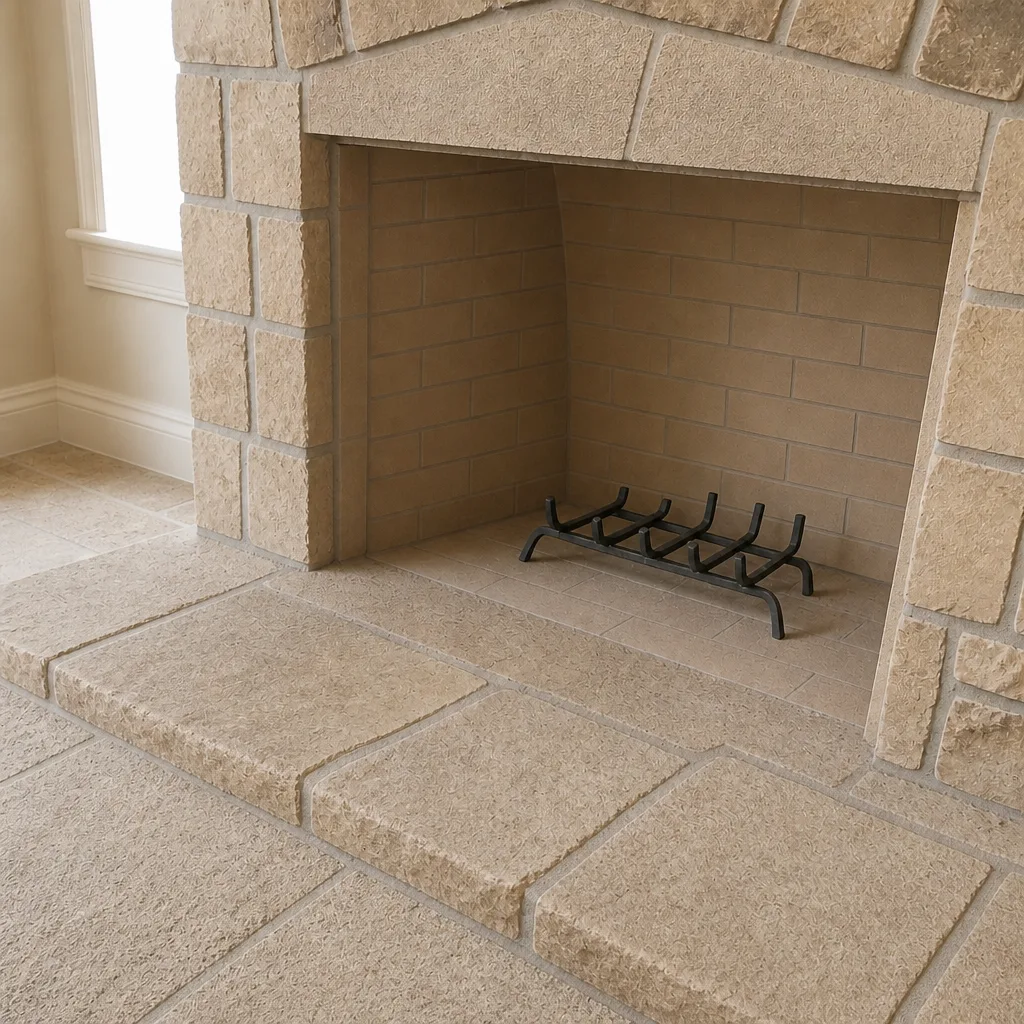 After
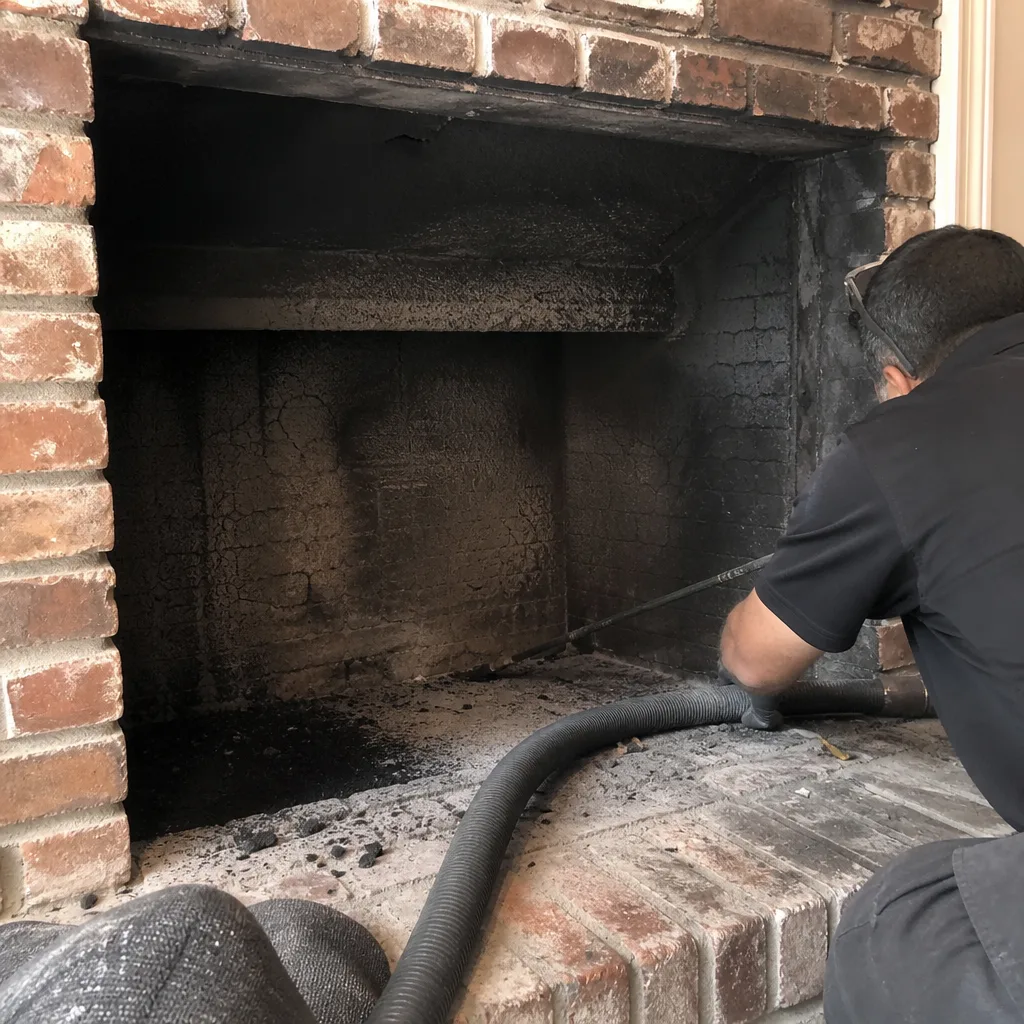 Before
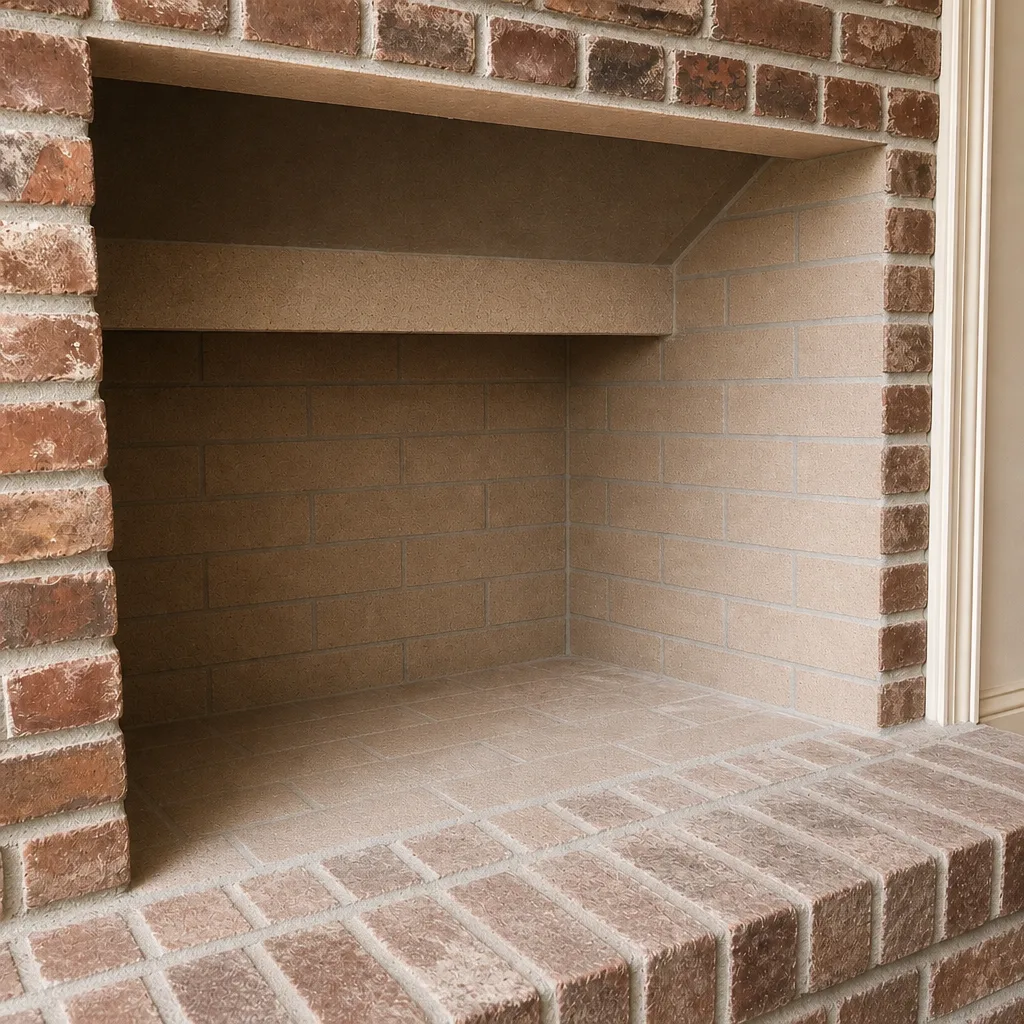 After
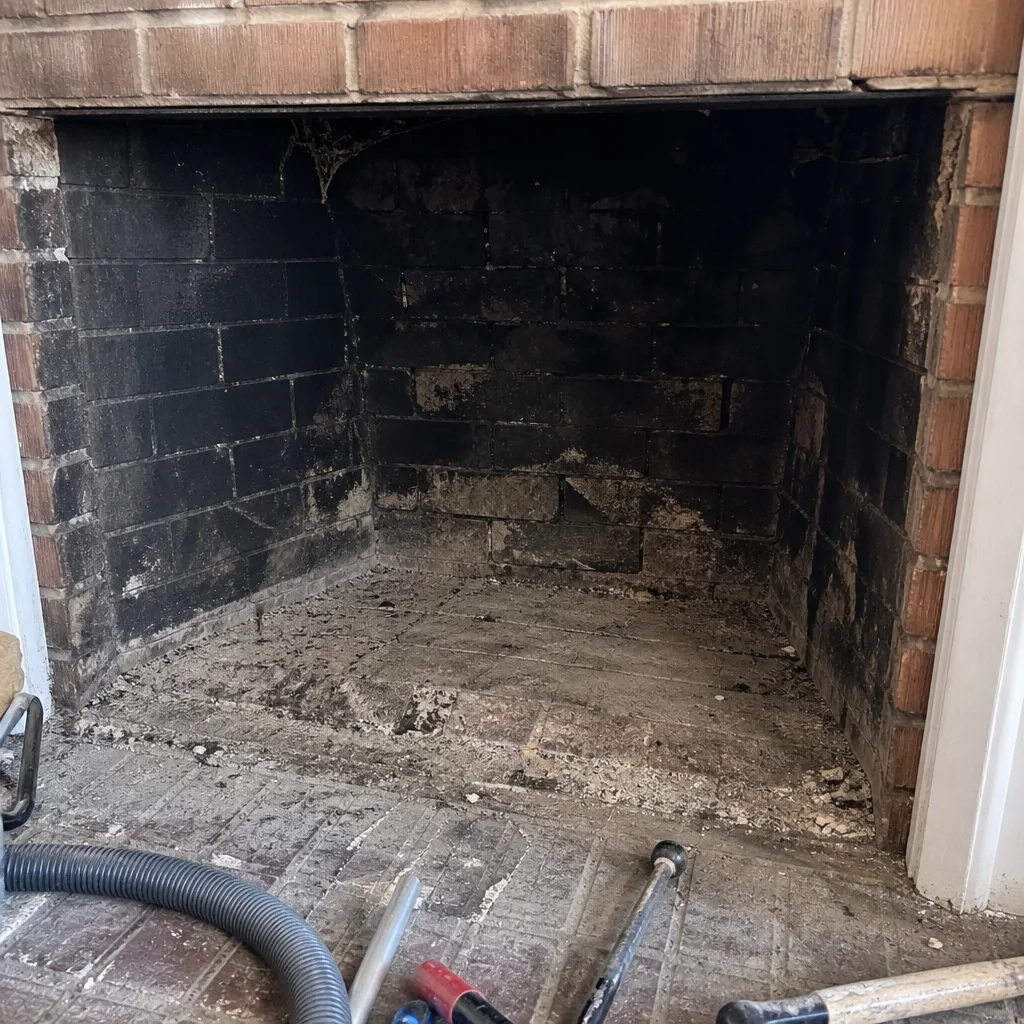 Before
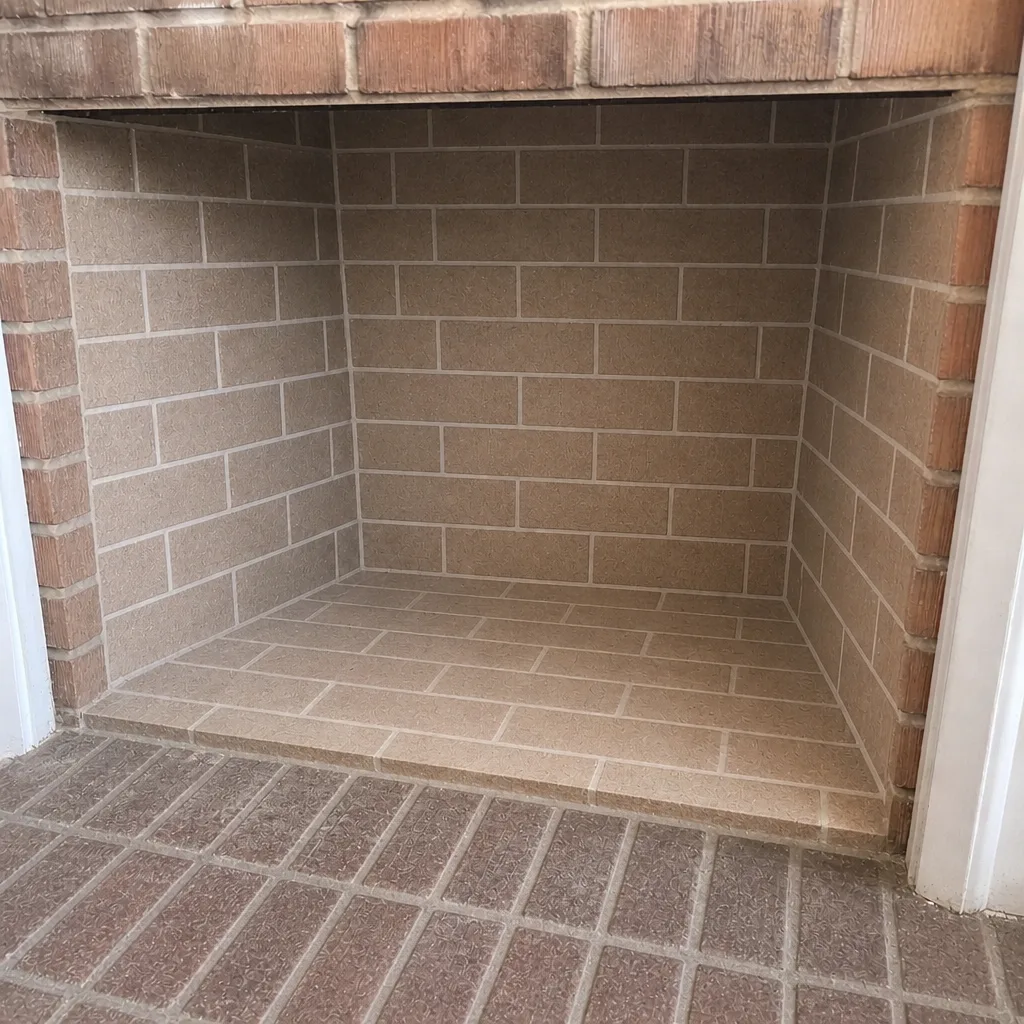 After
When to Call a Professional
Call a professional in Far North Dallas when the fireplace is smoking back into the room mid-burn, when your CO alarm has sounded and the fire is out, when anything has come down the flue, when a flue fire has happened even if it was put out quickly, or when the chimney cap or crown shows visible damage. Call before you burn again if you’ve noticed the fire not drawing like it used to. And call before the first burn of the season if you haven’t had an inspection in over a year or you’ve just bought the house. Chimney Sweep Far North Dallas offers free estimates in Far North Dallas, and we can work with your insurer if a fire has already happened. Call (866) 937-8051. We answer 24/7. Fast dispatch from 7am to 7pm, Sunday through Friday. One call covers cleaning, inspection, cap replacement, and structural repair.
Frequently Asked Questions
Look for the three signs, in order: dense black smoke from the chimney, a roaring sound while the fire is burning, and creosote flakes or liner pieces on the roof afterward. You can have a fire with none of those visible from outside, and that’s why the inspection matters. If you’re unsure, call (866) 937-8051 and book a Level 2 inspection before using the fireplace again.
Stop the burn and open the damper fully, then get everyone out into fresh air and open a window, and if you have any doubt about CO, call 911. A fireplace that’s smoking back into the room means the flue is blocked, damaged, or the house is in negative pressure, and none of those can be fixed by opening a window and hoping. Call (866) 937-8051 for an inspection once the house is safe.
Yes, treat it as one. Get everyone outside and call 911, and don’t re-enter until the fire department clears the house. A CO alarm with no obvious source can point to a blocked or damaged flue, a back-draft, or a furnace or appliance problem. Once the scene is clear, call (866) 937-8051 for a chimney inspection, and in Far North Dallas, we can inspect the whole chimney system and document what we find.
No. The fireplace stays out of service until a Level 2 inspection with a video scan of the flue has been completed. The fire can crack flue tile and damage the smoke chamber and the liner joints without any visible sign from the firebox. Book the inspection first, then decide about the liner, which may run anywhere from a HeatShield resurfacing to a full DuraFlex reline. Call (866) 937-8051 to book.
Stop using the fireplace, close the firebox doors, contain the room, and call for professional removal. Don’t reach up the flue or try to light a fire to “smoke it out.” A blocked flue is a carbon-monoxide path while the animal is still in there. After removal, the flue needs a cleaning and an inspection to check for damaged tiles and nesting material. Call (866) 937-8051 for that visit, and ask about a fitted cap while we’re on the roof.
At least once a year, and more often if you burn several cords a season. The annual inspection is the one record that protects you in a claim, and the report carries the flue dimensions you’d need for a fast liner replacement. If it’s been more than a year or you’ve never had one, call (866) 937-8051 to book an inspection in Far North Dallas.
The Bottom Line
The two real chimney emergencies have two different responses. An active flue fire or a CO alarm means 911, get everyone out, and stay out. A smoking fireplace, a damaged cap, or an animal in the flue means shut the fireplace down and get it inspected before you burn again. The people who handle these well are the ones who know which category they’re in and have their cap status, flue dimensions, inspection report, and insurance details ready before anything happens. Start the season with an inspection, keep the report, and don’t use a fireplace you don’t trust. If you want the whole system checked, one call covers the Chimney Sweep Far North Dallas sweep and inspection side and the repair work behind it.
Contact Us
If you’ve had a flue fire, heard a CO alarm, or noticed smoke, odor, or visible damage to your cap or crown, call (866) 937-8051 for a free estimate in Far North Dallas. We answer 24/7. Fast dispatch from 7am to 7pm, Sunday through Friday. We work on the whole chimney system, not just the flue, and every repair recommendation comes from what the inspection actually shows. Nothing is added to the job list without evidence you can see for yourself, and if some of it can safely wait, we’ll tell you so.
Written by the team at Chimney Sweep Far North Dallas.